

Africa has taken a major step toward reshaping how its economies are assessed by international investors, launching a continent-wide credit rating agency intended to improve access to finance and address concerns over high borrowing costs.
The Africa Credit Rating Agency (AfCRA) was officially launched on October 7 in Mauritius, following years of discussions led by the African Union and its partners.
The new institution will assess the creditworthiness of African governments, financial institutions and private companies. Its aim is to provide investors with more detailed assessments that take local economic conditions, African data and the realities of doing business across the continent into account.
Why Africa Wants Its Own Credit Rating Agency

For years, African leaders have argued that international credit rating agencies do not always fully reflect the economic circumstances of African countries when assessing their ability to repay debt.
Credit ratings matter because they influence how much governments and businesses pay to borrow money. A country viewed as a high-risk borrower may have to offer investors higher interest rates, increasing the cost of financing roads, hospitals, schools, electricity projects and other public services.
The global market has traditionally been dominated by three major agencies: S&P Global Ratings, Moody’s and Fitch Ratings.
African officials have raised concerns that assessments by these institutions can overlook informal economic activity, local reforms and other factors that could affect a country's financial outlook. The global agencies, however, maintain that they apply their rating methodologies internationally.
AfCRA is expected to provide another independent assessment for investors to consider, rather than replace the existing international agencies.
Africa's Borrowing Costs Remain a Major Challenge
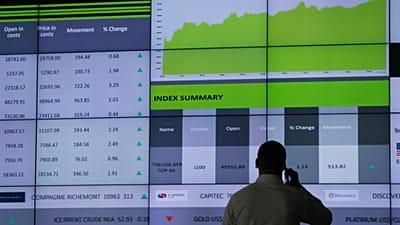
The financial pressure facing African governments helps explain why the new agency matters.
According to figures cited by Reuters from the African Union, the continent's annual external debt-servicing costs reached approximately $163 billion in 2024, compared with $61 billion in 2010.
The AU also said 23 African economies lacked ratings from the three major international agencies, potentially limiting their access to some international capital markets.
Meanwhile, estimates cited by the Organisation for Economic Co-operation and Development put Africa's average borrowing cost in international markets at around $9 for every $100 borrowed in 2024. Comparable estimates were approximately $4.70 for emerging markets in Asia and $6.50 in Latin America. citeturn257102news18turn257102search1
These differences can make it more expensive for African countries to fund development, particularly when governments are already spending significant amounts on debt repayments.
Will the New Agency Make Loans Cheaper?
That is the central question surrounding AfCRA.
The agency could help by bringing additional information and local expertise into credit assessments. If investors receive a clearer picture of a country's economy and financial risks, they may be better equipped to decide whether to lend and on what terms.
It could also expand coverage for countries that do not currently receive ratings from the major global agencies.
However, the launch does not mean borrowing costs will immediately fall. Investors will need evidence that AfCRA's assessments are independent, transparent and technically sound before relying on them when making investment decisions.
The African Union has stressed that the agency is not intended to guarantee favourable ratings or shield governments from scrutiny. Its credibility will depend on whether it can produce evidence-based assessments, including when those assessments are politically unpopular. citeturn257102news17turn257102search2
Independence Will Be the Real Test
One of the biggest challenges facing AfCRA will be convincing investors that its ratings are free from political pressure.
Because the agency is designed to assess African governments and institutions, investors will want reassurance that countries cannot influence their own ratings.
The institution will also need reliable financial data, experienced analysts, transparent methods and a consistent record of assessing risk accurately.
Those requirements will become especially important during economic crises, when a country's ability to repay debt may deteriorate and a rating decision could carry significant financial consequences.
AfCRA is expected to operate independently and be funded through shareholder capital and revenue from its operations. Further details about its ownership and operational arrangements will be important as the institution develops. citeturn257102news18turn257102search14
What This Means for Africa

The launch reflects a broader effort to strengthen Africa's financial institutions and improve the continent's ability to mobilise capital for economic development.
If AfCRA earns the confidence of investors, it could provide governments and businesses with another source of credit analysis, improve information about less-covered economies and contribute to discussions about the cost of financing in Africa.
But lower borrowing costs will also depend on factors beyond credit ratings, including government finances, debt sustainability, economic stability, transparency and the strength of national institutions.
For now, AfCRA represents a new opportunity for Africa to contribute more directly to how its economies are assessed.
Whether that opportunity translates into cheaper loans and greater investment will depend on the agency's performance in the years ahead.

Leave a comment
Your email address will not be published. Required fields are marked *