
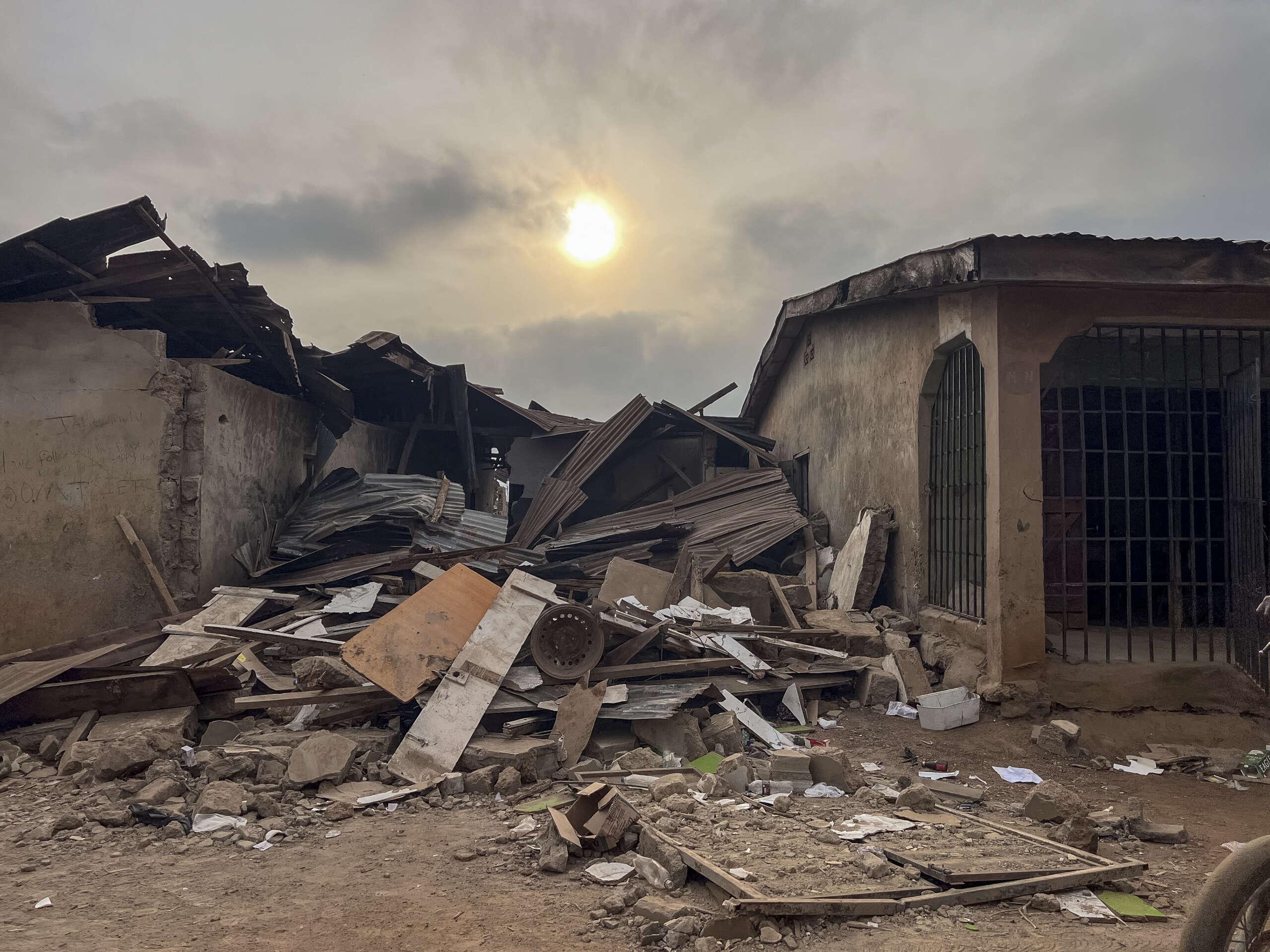
For years, Nigerians have been told the war on terror is being won. Press statements speak of “decimated insurgents,” “neutralized threats,” and “restored peace.” Yet across large swathes of the country, fear is spreading—not shrinking.
So the uncomfortable question is no longer whether Nigeria faces a terror problem, but whether the government is quietly losing the war while publicly declaring victory.
The Expanding Map of Insecurity
What began as a largely Northeast crisis has steadily crept into the Northwest, North Central, and parts of the South. Armed groups now operate with alarming confidence—attacking rural communities, disrupting farming cycles, and forcing mass displacement.
Villages are emptied overnight. Roads become unsafe after dusk. Communities resort to self-help because state protection feels distant or unreliable.
If the war is being won, why does terror seem closer to more Nigerians than ever before?
Success Stories vs Lived Reality
Government narratives often focus on military operations and enemy body counts. But citizens measure security differently:
- Can farmers return safely to their fields?
- Can children go to school without fear?
- Can travelers move without ransom anxiety?
On these metrics, many Nigerians believe the gap between official claims and daily experience is widening.
The Quiet Normalisation of Violence
Perhaps the most troubling sign is how quickly attacks fade from public attention. Incidents that would once dominate headlines now disappear within hours, replaced by politics, entertainment, or economic debates.
This silence raises suspicion:
- Are attacks being downplayed to avoid panic?
- Is “strategic communication” becoming selective disclosure?
- Has the nation become desensitized to tragedy?
When violence becomes routine, accountability weakens.
A War Without a Clear Endgame
Winning a counter-terror war is not just about firepower. It requires:
- Intelligence coordination
- Community trust
- Economic stability
- Justice for victims
Without these, military gains risk being temporary—territory cleared today, reclaimed tomorrow.
The Cost of Losing Quietly
A silent loss is often more dangerous than an acknowledged one. It breeds:
- Public mistrust
- Youth radicalisation
- Vigilante justice
- Regional instability
Most importantly, it leaves citizens feeling abandoned.
Bottom Line
If Nigeria is truly winning the war on terror, peace should be louder than gunfire. Until ordinary Nigerians feel safer in their homes, farms, and highways, claims of victory will continue to ring hollow.
The war may not be officially lost, but losing quietly could be the most dangerous outcome of all.
BreakingPoint News — asking the questions others avoid.

Leave a comment
Your email address will not be published. Required fields are marked *