

Nairobi, Kenya’s capital, is facing growing concerns over the loss of its green spaces as rapid urban development continues to reshape the city. Trees are increasingly being cleared to make room for roads, residential buildings and other infrastructure, raising questions about how much of Nairobi’s natural environment can survive its expansion.
Once proudly known as the “Green City in the Sun,” Nairobi is now struggling to balance its growing demand for housing and infrastructure with the need to protect its trees, wildlife and biodiversity.
The pressure has increased alongside population growth and a construction boom that has gathered pace over the past decade. According to Kenya’s economic data, the construction sector expanded by 6.8 per cent in 2025, recovering from a 0.7 per cent contraction in the previous year.
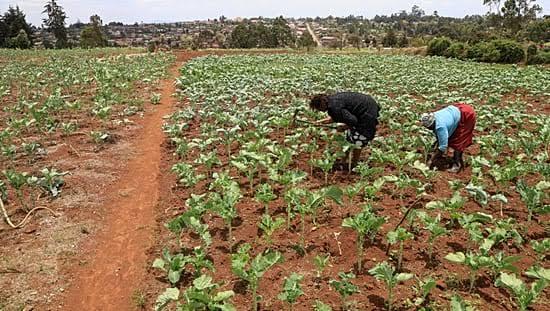
The scale of development is particularly visible in Nairobi. The Kenya National Bureau of Statistics reported that 25,090 private building projects were completed in the city in 2025, representing a 15.1 per cent increase compared with 2024. Residential construction accounted for much of that growth.
But as buildings and roads continue to spread, environmental experts are questioning whether development is happening at the expense of important natural spaces.
Experts call for smarter urban planning
With Nairobi's population continuing to expand and available land becoming increasingly limited, construction is difficult to avoid. However, experts argue that development should be carefully planned to prevent the unnecessary destruction of trees and protected habitats.
Architect and sustainability practitioner Nickson Otieno says developers and planners must first establish whether land is protected or designated for conservation before approving construction.
Where development is permitted, he argues, decisions should still be made about how much existing biodiversity can be preserved.
The concern is not simply about the number of trees being removed. Green spaces provide shade, support urban wildlife and contribute to the environmental conditions that make cities healthier places to live.
Nairobi’s wildlife is adapting to disappearing habitats
The environmental impact is also becoming visible in the behaviour of Nairobi's wildlife.
Marabou storks, which are commonly found across the city, traditionally relied on trees for nesting and resting. However, as natural spaces disappear, some have adapted to their changing surroundings by using buildings and advertising billboards as alternative places to perch and build nests.
Ornithologist John Musina says bird populations can provide valuable information about the condition of an urban environment.
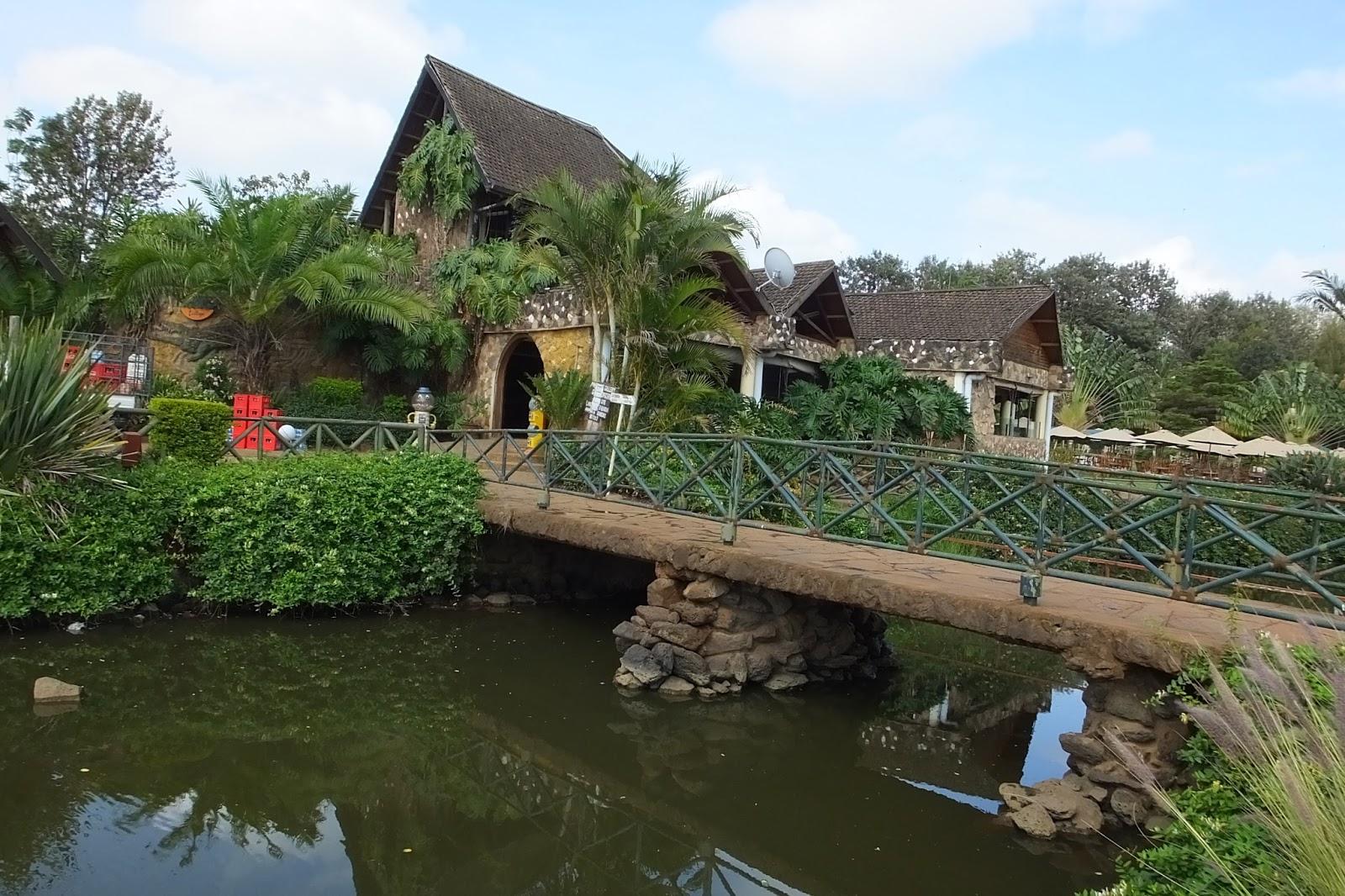
Birds are considered environmental indicators because their presence and numbers can help researchers understand the health of a habitat. Changes in their populations may therefore reveal wider environmental problems affecting other species and the natural surroundings.
The growing presence of wildlife in unusual urban locations highlights how animals are adjusting to a city that is becoming increasingly built-up.
Court halts construction project inside Nairobi National Park
The conflict between development and conservation has also moved into the courts.
On October 27, 2026, Kenya’s Environment and Land Court issued temporary orders stopping construction of a proposed car park within Nairobi National Park. The decision followed a legal challenge supported by 4,642 petitioners who opposed the project.
The court prohibited activities including vegetation clearance, tree felling, excavation and construction in the disputed area while the case proceeds. The temporary orders are intended to preserve the site during the legal process.
The ruling has become an important moment in the wider debate over development within environmentally sensitive areas.
However, the legal action has not stopped construction across the entire capital. Other public and private projects remain underway, with trees continuing to be removed in different parts of Nairobi.
Environmental campaigners warn that Nairobi is losing its character
Environmental law advocate Kelvin Kubai believes the city is gradually losing one of the qualities that made it distinctive.
He argues that some developers increasingly treat trees as obstacles to construction rather than valuable parts of Nairobi's identity and natural environment.
For campaigners, the issue is about more than preserving an attractive cityscape. They believe trees and biodiversity must be treated as essential components of urban planning rather than optional features that can be removed whenever new projects are proposed.
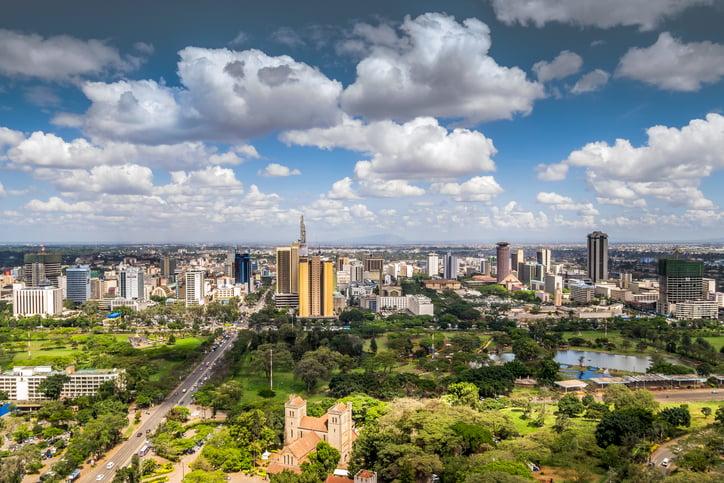
The challenge facing Nairobi is how to accommodate more residents, expand infrastructure and support economic growth without destroying the natural environment that has long defined the capital.
As construction continues, residents and environmental advocates are asking whether Nairobi can modernise while protecting the green spaces that make it unique.
The answer may depend on whether developers and government authorities begin treating environmental protection as an essential part of the city's future rather than something to consider after construction plans have already been made.

Leave a comment
Your email address will not be published. Required fields are marked *