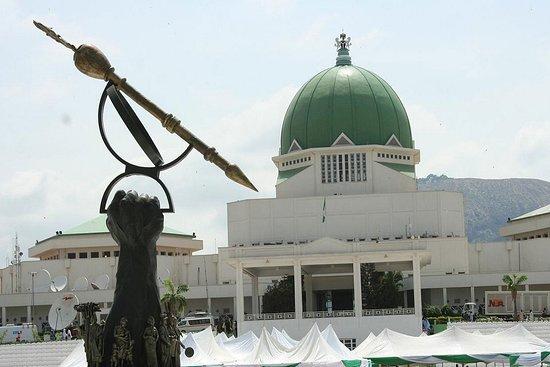
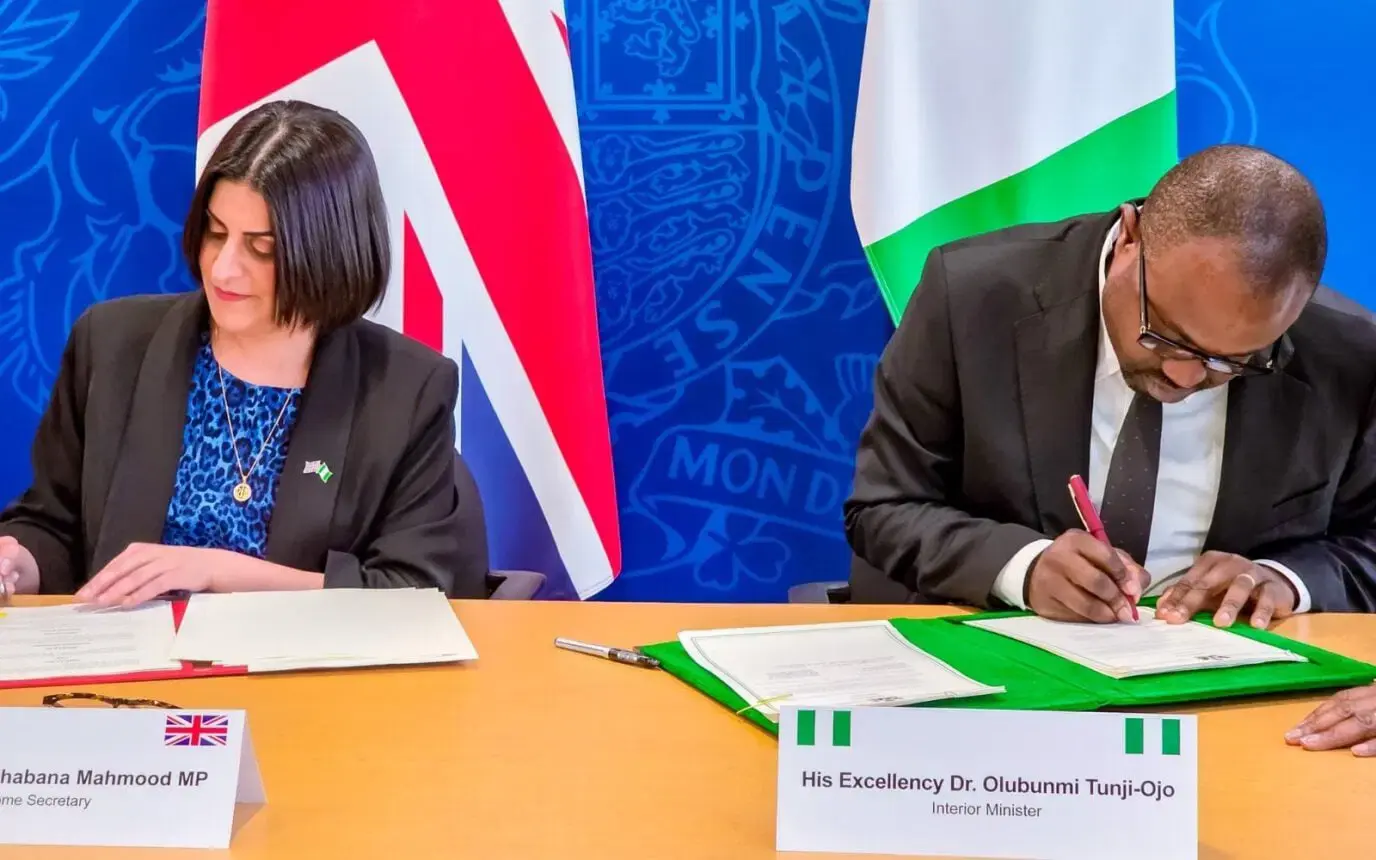
Nigeria and the United Kingdom have just signed a new agreement — and it could significantly change how quickly Nigerians are deported from the UK.
At its core, the deal is simple: faster removals, fewer delays. But when you look closer, there’s a lot more going on.
What Actually Changed?
For years, one of the biggest reasons deportations were delayed was paperwork. If someone didn’t have a valid passport, the UK had to wait for Nigeria to issue emergency travel documents—a process that could take months.
Now, Nigeria has agreed to accept something called “UK letters” as valid identification. That might sound small, but it’s a big deal.
It means authorities can now process deportations much faster, especially for:
- Visa overstayers
- Failed asylum seekers
- Foreign offenders
Officials say more than 1,000 Nigerians are already waiting for deportation, and this new system could speed things up quickly. (Africanews)
Why Both Countries Agreed to This
From the UK’s perspective, this is about tightening immigration control.
Officials have been clear: they want to remove people who don’t have the legal right to stay — and do it faster.
From Nigeria’s side, the government is framing this as being a “responsible partner” in managing migration and maintaining strong ties with the UK. (GOV.UK)
But it’s also part of a bigger relationship. The agreement was signed during President Bola Tinubu’s visit to London — and it includes more than just deportations.
It’s Not Just About Deportations
This deal also expands cooperation between both countries in areas like:
- Tackling visa fraud (fake jobs, sham marriages)
- Cracking down on human trafficking networks
- Fighting online scams like romance fraud and crypto schemes
There are even plans for joint operations and intelligence sharing, showing this is more of a long-term partnership than a one-off deal. (GOV.UK)
The Bigger Picture
Here’s what makes this story more interesting. This isn’t happening in isolation. Across Europe, governments are tightening immigration policies and pushing for faster deportations. And countries like Nigeria are now playing a bigger role in making that possible. At the same time, some critics argue that deals like this could put more pressure on migrants—especially those already in vulnerable situations.
Why It Matters
This agreement could have an immediate impact. With fewer delays and simpler paperwork, deportations from the UK to Nigeria are likely to increase noticeably in the coming months.
But beyond that, it signals something bigger: A shift toward stricter migration control—backed by international cooperation.
And for many Nigerians living in the UK, it’s a reminder that immigration rules are becoming harder to navigate — and faster to enforce.

Leave a comment
Your email address will not be published. Required fields are marked *