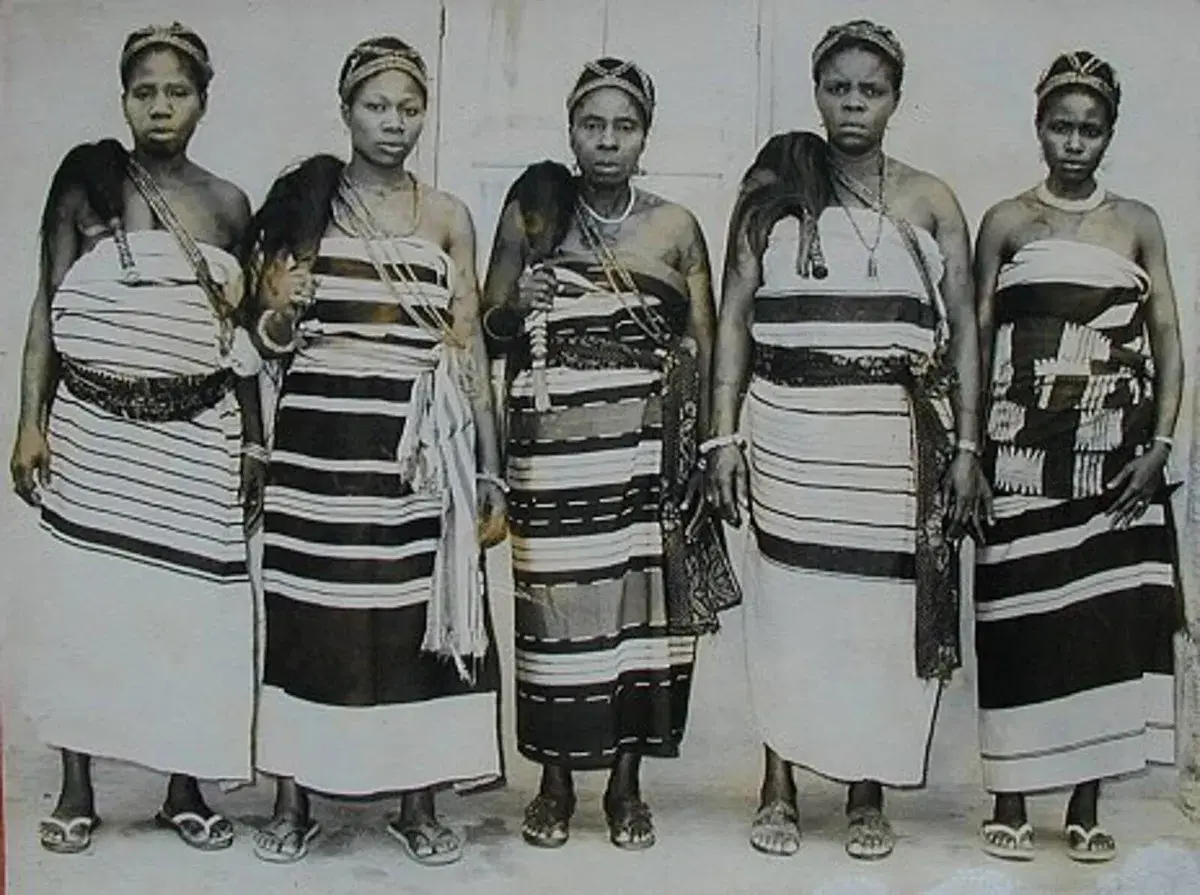
In 1929, thousands of women in southeastern Nigeria rose in one of Africa’s earliest mass anti-colonial protests—an event history books often soften by calling the Aba Women’s Riot, though many scholars rightly describe it as a women’s war.
What Sparked the Uprising
The revolt began in present-day Abia and Imo States when British colonial authorities planned to extend taxation to women after already burdening men. Using a system of indirect rule and warrant chiefs unfamiliar with Igbo traditions, the colonial government ignored women’s economic roles and political structures.
In response, women organized using traditional protest methods — songs, dances, mockery, and mass occupation of administrative centres. They shut down courts, confronted officials, and demanded accountability.
The colonial response was brutal. Troops opened fire on unarmed protesters, killing over 50 women and injuring many more. Yet the uprising forced the British to suspend women’s taxation and reform local governance.
Why the Aba Women’s Riot Still Matters
The 1929 uprising was not just about taxes. It was about:
- Economic injustice
- Exclusion from decision-making
- Leaders disconnected from the people
- Policies imposed without consent
Nearly a century later, these themes sound painfully familiar.
Then and Now: A Disturbing Parallel
Today’s Nigeria is not under colonial rule, but many citizens still feel governed without consultation. Rising taxes, subsidy removals, inflation, and economic reforms are often announced with little public engagement, while the burden falls heaviest on ordinary people.
Just like in 1929:
- Policies are justified as “necessary.”
- Elites appear insulated from hardship
- Protest is often met with force rather than dialogue
- Women remain at the line of economic survival—trading, farming, caregiving
Women as Nigeria’s Moral Compass
The Aba women showed that political power doesn’t always sit in an office. It lives in collective action, moral authority, and courage. Their protest reshaped colonial policy — without social media, without elections, without violence.
In modern Nigeria, women continue to organize—in markets, unions, online spaces, and civic movements — often resisting policies that threaten livelihoods and dignity.
The Unfinished Lesson
The Aba Women’s Riot reminds Nigeria that
- Governance without listening invites resistance
- Economic policies fail when people are excluded
- Women have always been political actors — not bystanders
History is not just memory. It is a warning.
And if leaders forget the voices of the people, Nigeria’s past suggests those voices will eventually rise again.
BreakingPoint News — where history meets the present.

Leave a comment
Your email address will not be published. Required fields are marked *