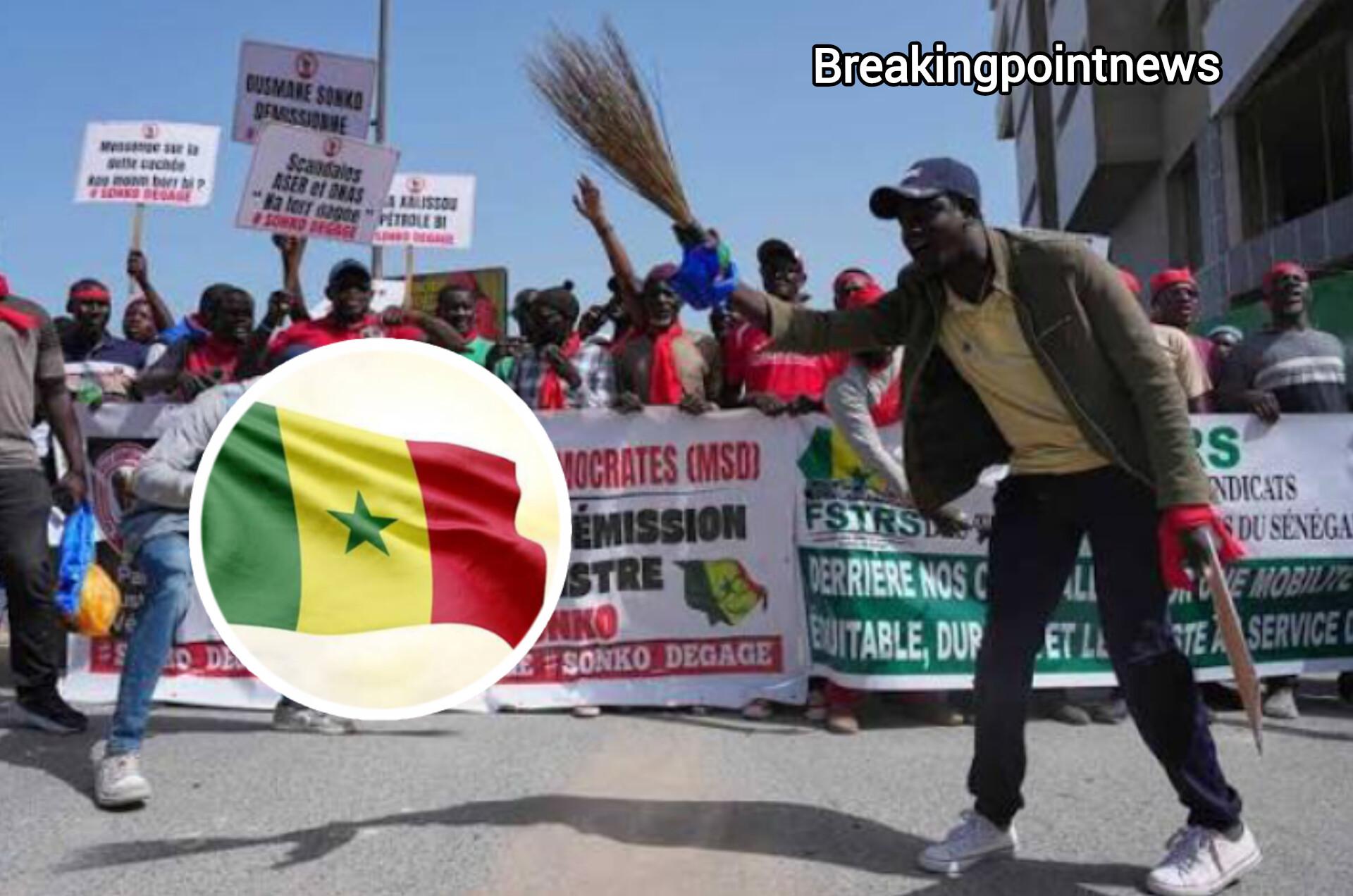
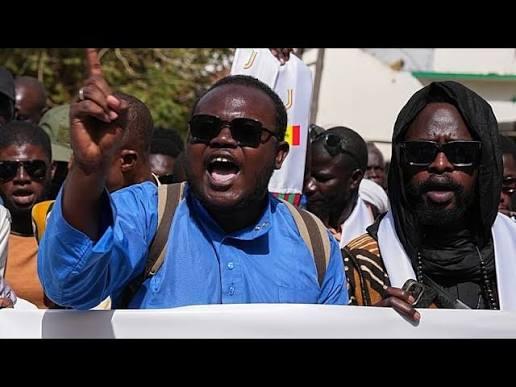
Around 150 protesters took to the streets of Dakar on Tuesday, answering the call of trade union federations demanding that authorities honour previously reached agreements and address workers' growing financial concerns.
The demonstration comes amid mounting frustration over the rising cost of living and declining purchasing power across Senegal. Unions are now preparing for a 72-hour general strike set to begin Wednesday, a move that could bring significant disruption to the country.
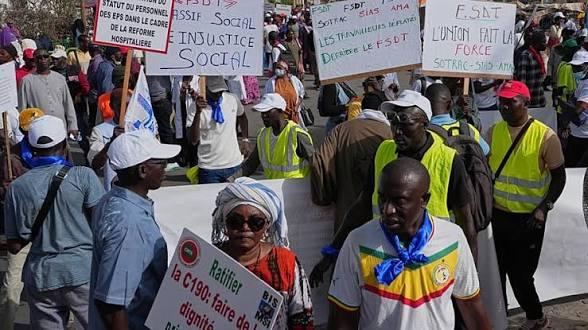
Sara Konaré, secretary general of Senegal's National Union of Petroleum and Gas Workers, said the scale of the mobilisation reflected growing unity among trade unions. She accused authorities of failing to engage with workers and said the government had ignored their concerns for too long.
"The turnout today shows that workers are united and determined," Konaré said. “We have tried dialogue, but the authorities have not listened. We have no choice but to strike.”
Ndeye Seck Fall, who manages a dialysis centre in Dakar, warned that the planned strike could severely disrupt healthcare services, leaving patients with limited options for treatment. She said many Senegalese would struggle to afford private healthcare if public services were paralysed.
"Patients who rely on dialysis cannot afford to wait," she said. “If public hospitals stop functioning, many will have nowhere to go. Private care is too expensive for most families.”
The strike threat also comes at a delicate moment for Senegal, which is preparing to host the Youth Olympic Games. The event is expected to draw international attention to the country, adding pressure on authorities to resolve the unions' demands quickly. A prolonged strike could disrupt preparations and damage the country's image on the global stage.
Workers say their wages have not kept pace with inflation, and many are struggling to afford basic necessities such as food, fuel and rent. Union leaders argue that the government has failed to implement agreements reached in previous negotiations, eroding trust between workers and authorities.
The protest remained peaceful, with marchers carrying banners and chanting slogans calling for fair wages and better working conditions. Police were present but did not intervene.
As the deadline for the strike approaches, all eyes are on the government to see whether it will respond to the unions' demands or risk widespread disruption. For workers like those who marched in Dakar, the message is clear: they want action, not promises.

Leave a comment
Your email address will not be published. Required fields are marked *