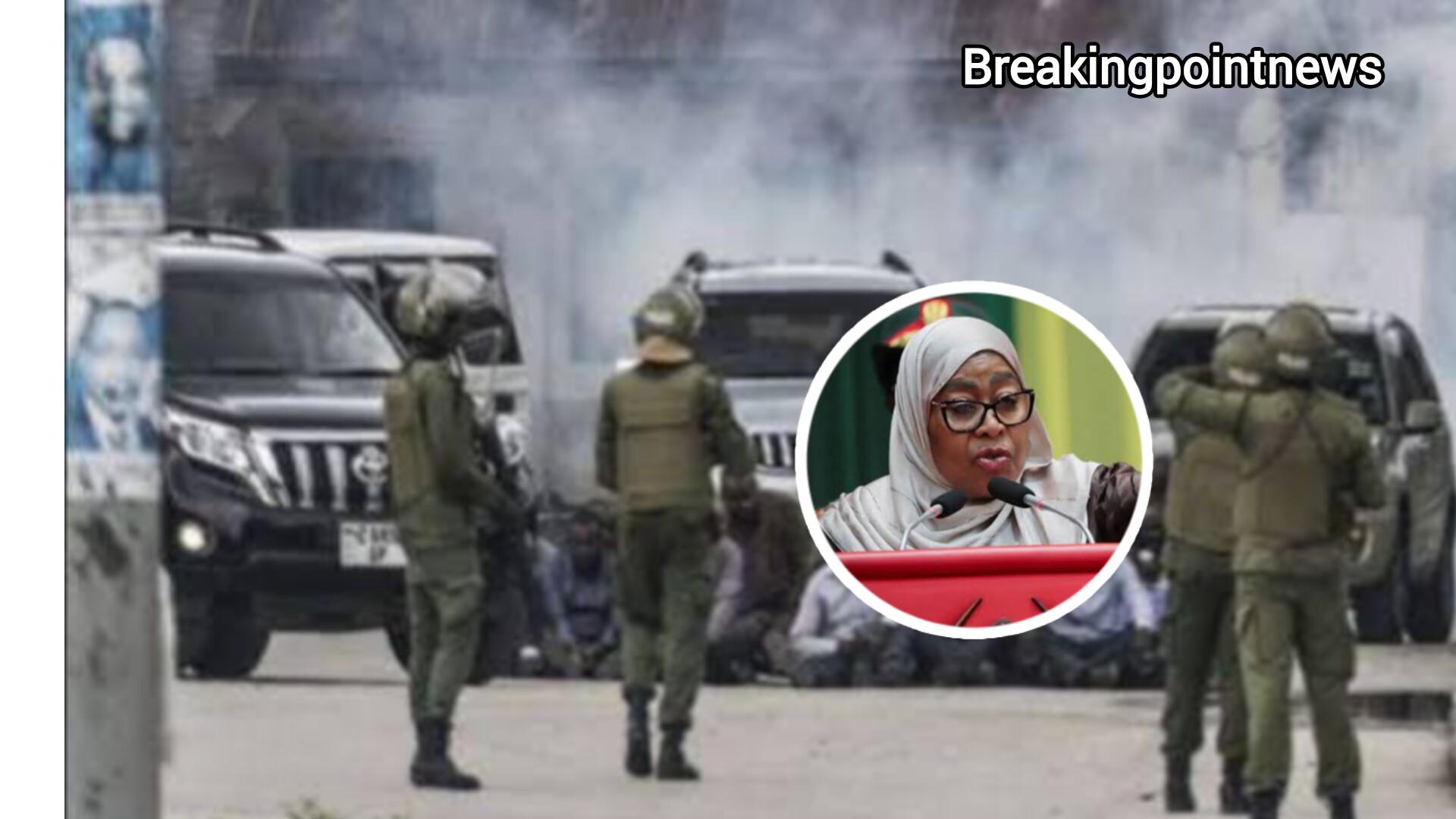
A year after Tanzania's bloody election, many remain traumatised by the violence, while government critics live in fear of abduction, arbitrary arrest, or facing treason and terrorism charges.
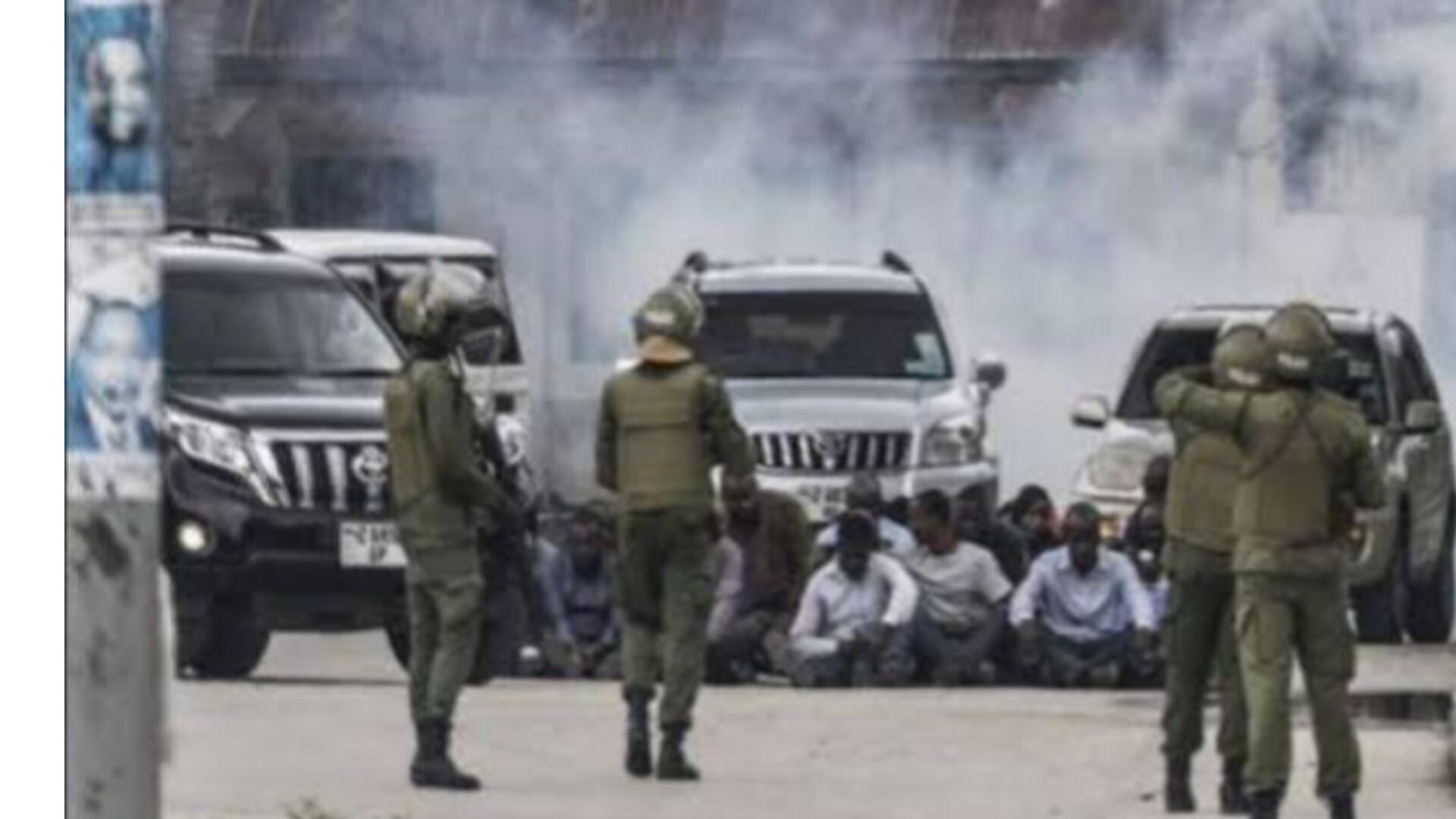
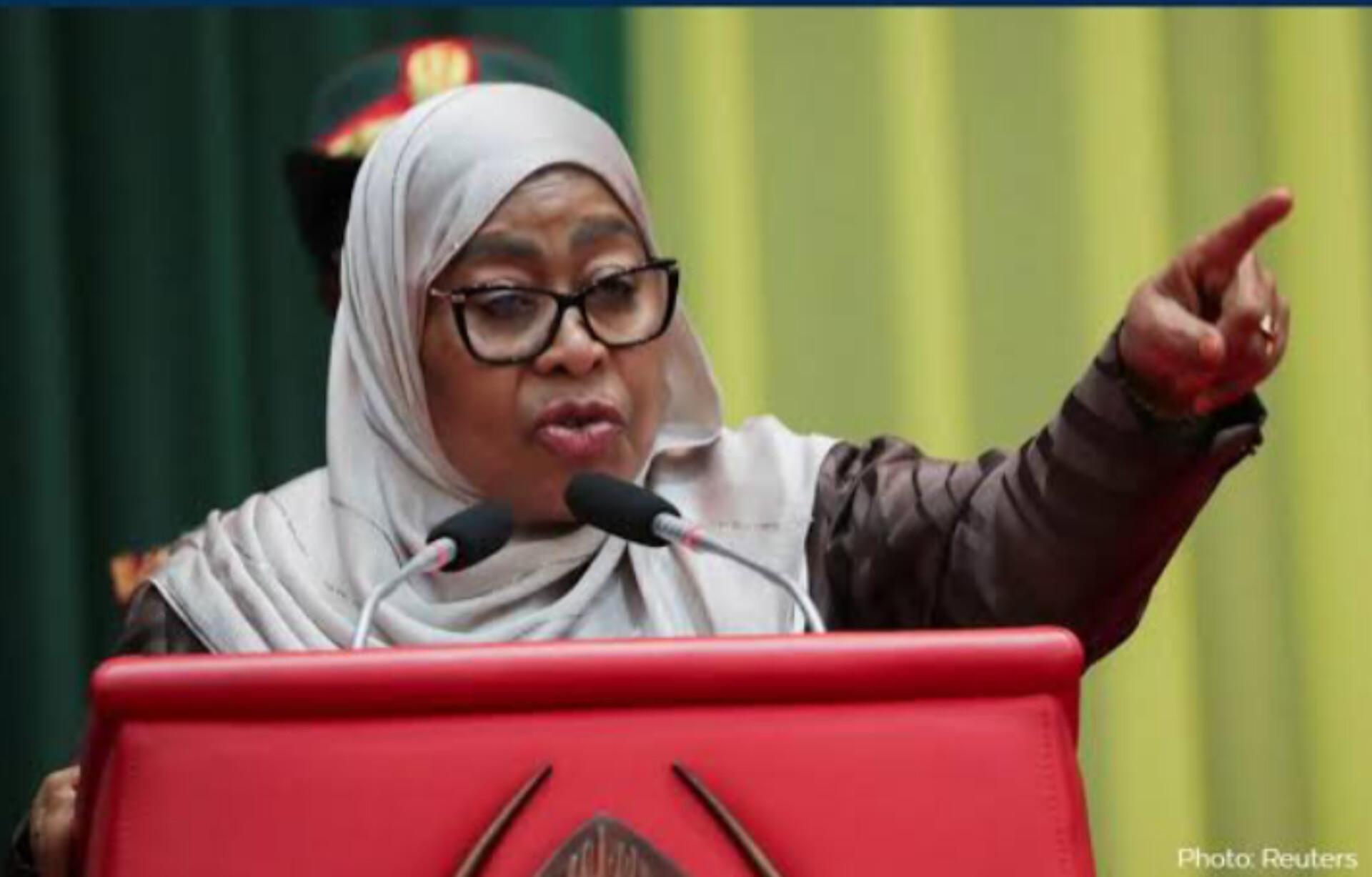
The 29 October election, in which President Samia Suluhu Hassan won with 98% of the vote after most of the opposition was excluded, triggered days of protests that security forces brutally suppressed. Rights groups and the opposition say thousands were killed; a government-appointed commission put the death toll at 518.
For 61-year-old Twaha Bomeza, life changed on election day when shrapnel lodged in his eye during a shootout to disperse protesters leaving him in need of surgery he cannot afford.
"I tried to save myself, but I was shot. I fell down here and lost four front teeth," Bomeza told AFP on the streets of Dar es Salaam, displaying his dentures. "I am still nursing an internal wound in my eye," he said, adding that he now experiences shortness of breath and constant headaches. “My blood was spilled here, but a year has passed, and there is no more blood here.”
The Catholic Church held masses on Thursday to honour the victims, while the main opposition party, Chadema, announced a seven-day mourning period. Tanzania has become a dictatorship an authoritarian state that neither upholds the rule of law nor guarantees human rights, Chadema said in a statement.
The streets of Dar es Salaam were quiet, with a heavy police presence. "I feel sad today. As a nation, we need to learn that dialogue and negotiations are better than using massive force," churchgoer Noela Kigosi told AFP.
Asma, 22, vividly remembers witnessing a man being shot in front of her. "I was telling him to run, but as he tried to flee, he was shot in the neck and died," she said. “The situation was terrible. Many people died.”
Tanzania has faced criticism from Western partners over the killings. The US ambassador warned on Thursday that they "will not be swept under the rug." President Hassan, who was represented by her prime minister at a Russia-Africa summit this week, has responded by building closer ties with Moscow.
Analysts describe Tanzania as "tense," with arbitrary arrests on the rise. A potential flashpoint is the treason trial of opposition leader Tundu Lissu, whose verdict is due on 6 November. Lissu began a hunger strike this week to demand access to his lawyer; he was arrested ahead of the election for championing a "no reform, no election" campaign.
The country is not only in a mourning mood but also in a state of terror. We live in paranoia, rights activist Tito Magoti said. Over the past week, another opposition official, John Pambalu, was charged with treason, while dissident Twaha Mwaipaya was abducted in Kenya and remains missing.
The state is very nervous and they're ready to use a heavy-handed approach," Anna Bwana, director of civil society group Twaweza East Africa, told AFP. “If you commemorate, then you're acknowledging what happened... And how can you commemorate when you're still kidnapping others?
Fulgence Massawe of the Legal and Human Rights Centre said the organisation was representing around 56 people facing terrorism-related charges as the state tries to “silence all critics.”
Tanzania formed a presidential commission to investigate the election violence, but critics say it was established in "bad faith" to help the government "clean Tanzania's image" internationally.
The state is trying to deny and delete the history of their complicity in the massacre that they conducted last year," Magoti said. Amnesty International has criticised Tanzania for failing to hold those responsible to account, accusing it of “weaponising counterterrorism laws to silence critics and instil fear.
Even as the state suppresses commemorations, many carry visible reminders. Joseph Zakayo, 37, shows a huge scar on his thigh where he was shot during the unrest. He can no longer operate his motorcycle taxi business. "My life has taken a major step backwards," he said.

Leave a comment
Your email address will not be published. Required fields are marked *