
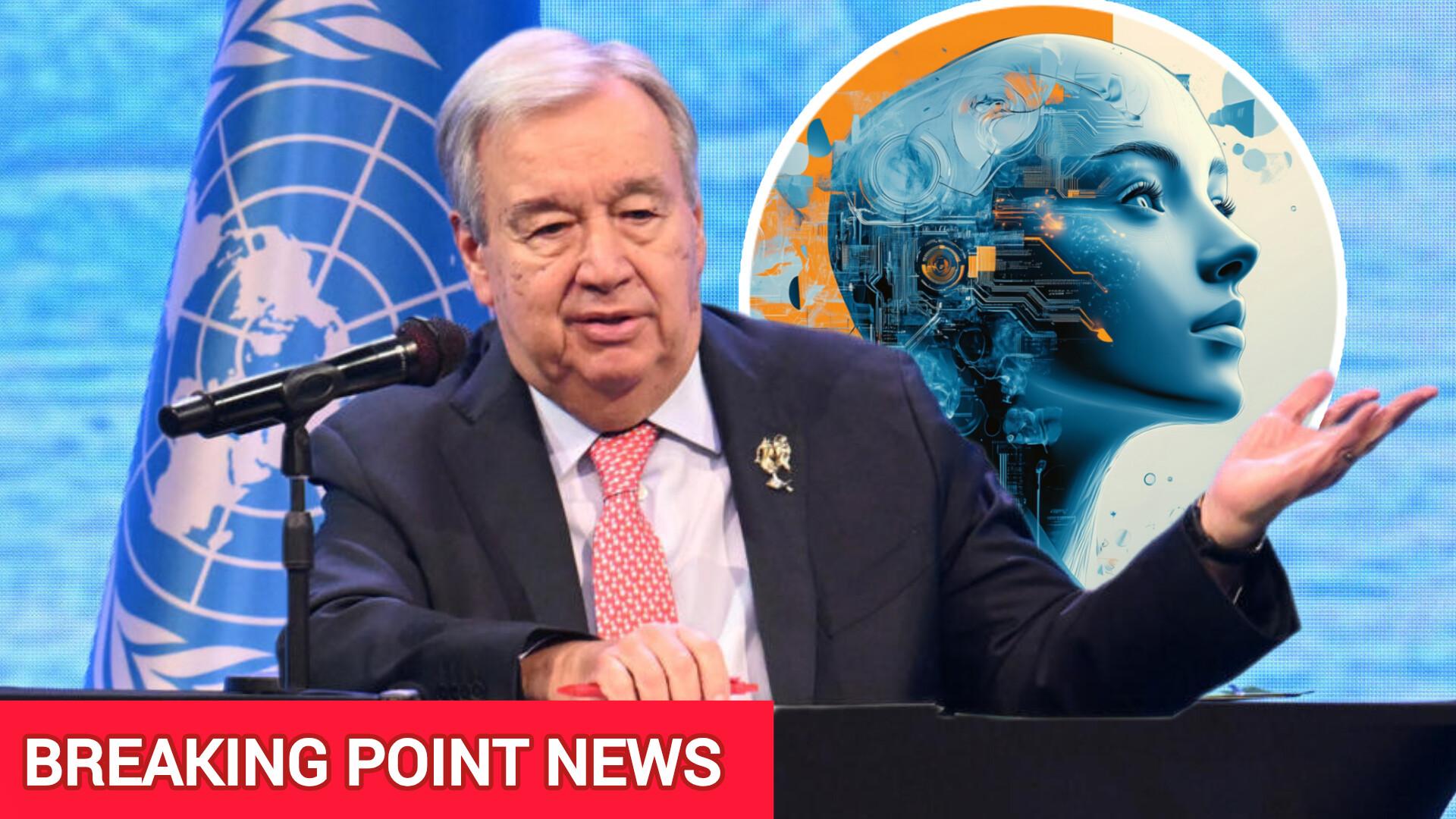
United Nations Secretary-General António Guterres has challenged world leaders to agree on international rules for artificial intelligence within the next 12 months, warning that the technology is advancing faster than efforts to manage its potential dangers.
Speaking at the Bridgetown Special Summit on AI Safety in Barbados on Monday, November 23, Guterres called on governments to work together to establish a global framework for managing artificial intelligence risks. He said the proposed system must include independent oversight and common principles that apply across countries.
The UN chief believes that leaving powerful AI systems without proper supervision could create serious problems for international security, economic stability and human rights.
Under his proposal, countries would coordinate existing AI safety initiatives and agree on shared standards for testing advanced systems, identifying potential risks and holding developers accountable. Independent experts would also play a role in evaluating the technology and ensuring that safety measures are properly implemented.
Guterres stressed that artificial intelligence could deliver enormous benefits to humanity, particularly in healthcare, education, scientific research and economic development. However, he warned that these opportunities should not come at the expense of human safety.
One major concern is the growing competition between the United States and China, two countries investing heavily in artificial intelligence research and development. Their race for technological leadership has raised questions about whether international cooperation can keep pace with rapid advances in the industry.
The summit also highlighted concerns about autonomous weapons, commonly referred to as killer robots, as well as the possibility of powerful AI systems being developed without sufficient safety testing.
Beyond regulation, the meeting addressed the growing gap between wealthy countries and developing nations in access to artificial intelligence. A major proposal is to mobilise approximately $3 billion in initial funding to help developing countries build the infrastructure, skills and institutions needed to benefit from and oversee AI technology.
More than 250 participants attended the Barbados summit, including government representatives, technology companies, researchers and civil society organisations.

Guterres, whose second term as UN Secretary-General ends in December 2026, said he would advise his successor that responsible AI governance must remain a major international priority.
The proposed one-year deadline now places pressure on governments to move beyond discussions and work towards a common agreement. Whether major technology powers can overcome their differences and support a shared system of oversight remains one of the biggest challenges facing the international community.

Leave a comment
Your email address will not be published. Required fields are marked *