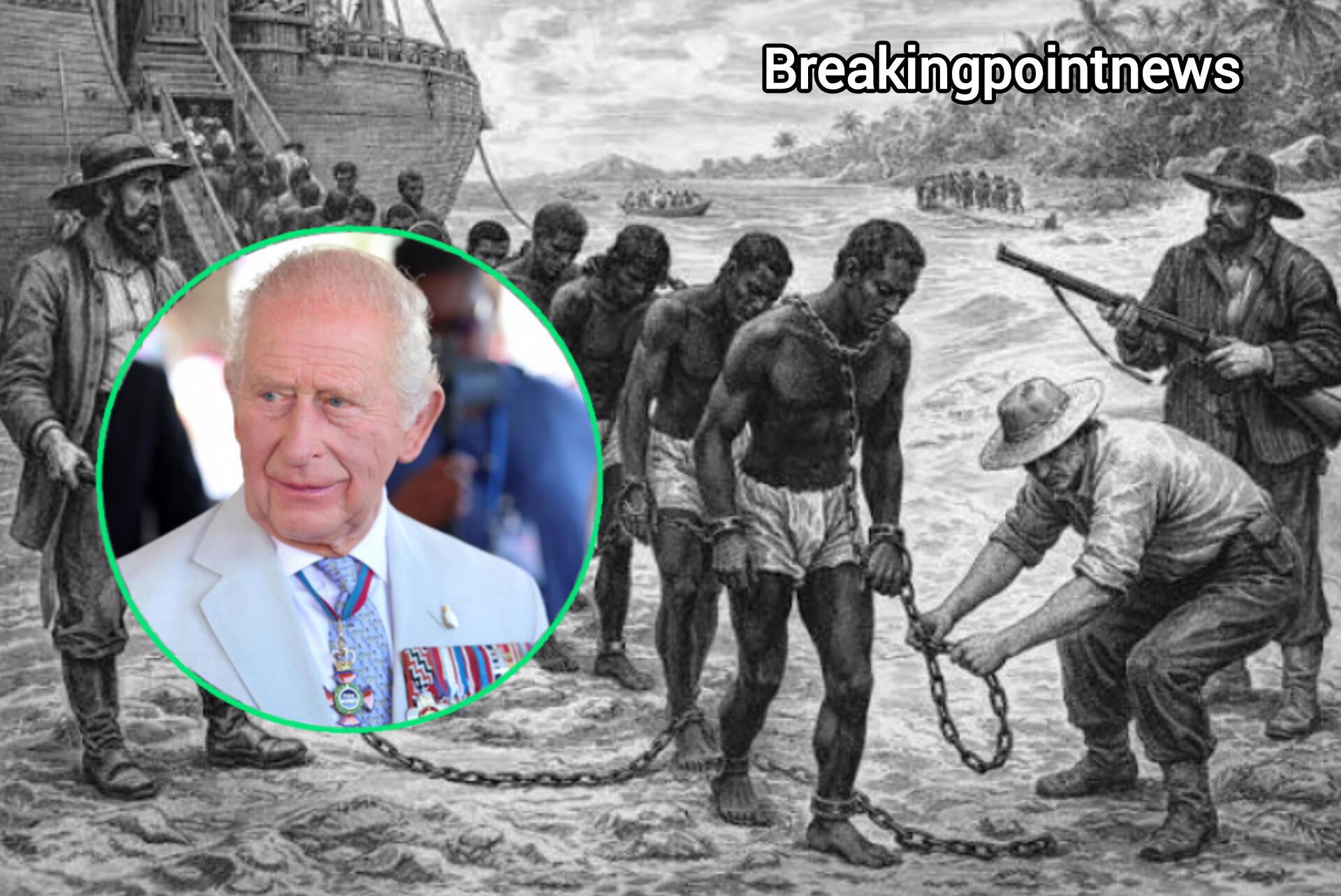
Caribbean nations have renewed calls for Britain to apologise for its role in selling enslaved people and to pay reparations, in the lead-up to the King's Caribbean tour.
Prime Minister Andy Burnham has now said he is "open" to calls for a formal apology for Britain's role in the slave trade as the King continues his tour of the region.
Burnham is due to attend the Commonwealth Heads of Government Meeting (CHOGM) in Antigua and Barbuda as is the King, who as head of the "family of nations" will preside over the event and give the opening address to representatives of the 56 member states on Tuesday. His speech is likely to echo the government's changed position on the legacy of slavery.
Ahead of his nine-day trip, it was understood ministers had not advised the King to offer an apology or reparations, in keeping with established policy. But a formal apology is now potentially closer following Burnham's comments to the Guardian on Friday.
“Sorrow and regret” but no cash
The prime minister wrote: “We are offering a structured dialogue with those affected by the transatlantic slave trade. Listening to calls for a formal apology on behalf of the British state will form an important part of this process and I am open to them.”
Burnham expressed "sorrow and regret for the pain and suffering of so many millions" but ruled out financial reparations. "Some have called for financial reparations for the slave trade. I do not believe that is the right answer," he wrote. “I do not think that British people today can be held liable for historical wrongs, however heinous, that happened in a different age under different laws and in which they played no personal part.”
Caribbean leaders respond
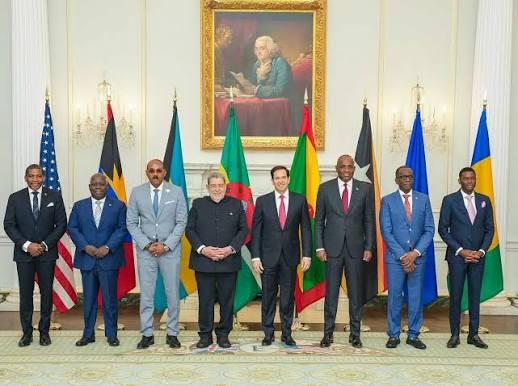
Barbados Prime Minister Mia Mottley said in a post on X: "Barbados welcomes the UK prime minister's acknowledgement of the brutality of the transatlantic slave trade, his openness to a formal apology and his offer of structured dialogue." Jamaica's Prime Minister Andrew Holness said: “Open-minded dialogue is always a good place to start addressing difficult issues.”
Political backlash and pressure
Conservative leader Kemi Badenoch said there was "no need" for a formal apology, writing on X: "Tony Blair already expressed Britain's deep sorrow and regret for our role in the slave trade nearly 20 years ago." She added: “There is no reason British taxpayers today should be held financially responsible for things that happened generations before any of us were born.”
Green MP Carla Denyer called on Burnham to commit the government to a parliamentary commission of inquiry for truth and reparatory justice, saying the UK "played a major role in the transatlantic trafficking of enslaved Africans" and that "a great deal" of the country's wealth was "founded on this vile crime against humanity," with legacies “still prevalent in our society today.”
Liberal Democrat international development spokesperson Monica Harding said: “We must recognise the part British individuals and institutions played in the scourge of slavery, both in promoting it for decades, and then working to end the transatlantic trade.”
The King's tour
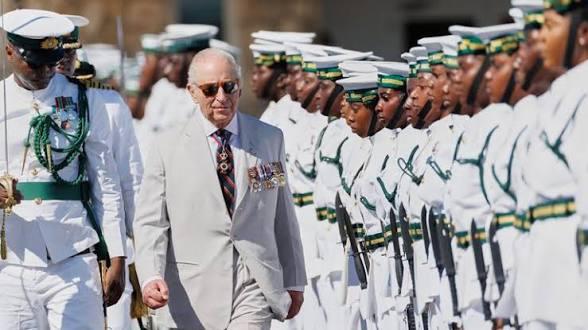
Before leaving Guyana on Friday, the King visited Independence Park in Georgetown, where 33 people involved in the Demerara Rebellion of 1823 were hanged. He was joined by Guyana's culture minister, Steven Jacobs, to acknowledge the country's history of slavery and resistance. Charles began his Caribbean trip last Tuesday with a speech at a youth rally in the Bahamas, where he commented on the "great suffering of the past." Before the visit, Guyana's President Mohamed Irfaan Ali said the King had recognised slavery as among the darkest days in human history but an apology would be “the next step.”

Leave a comment
Your email address will not be published. Required fields are marked *