
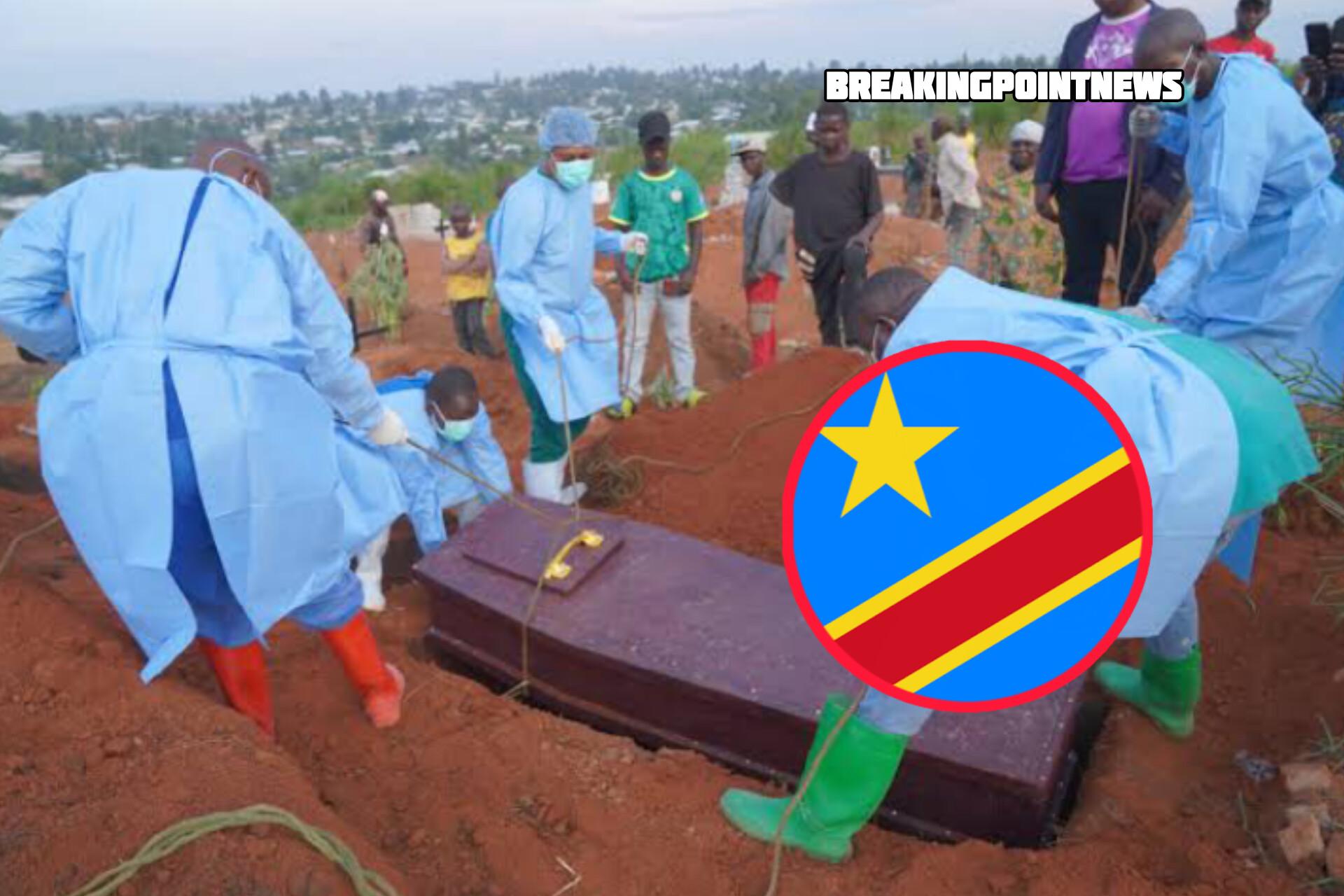
The Ebola outbreak in the Democratic Republic of the Congo may have reached another province, raising fresh concerns about efforts to contain the disease.
Two health officials told Reuters on Thursday, October 15, that two cases had been recorded in North Ubangi, a province bordering the Central African Republic.
If confirmed by Congolese authorities, the development would mean the outbreak has affected eight provinces in the country.
However, there is an important qualification: Congolese authorities had not formally announced the reported North Ubangi cases when Africanews published its report on Friday, October 16.
The information came from two health officials who spoke to Reuters, rather than a public confirmation from the government.
The reports nevertheless point to a potentially significant development in an outbreak that has already placed considerable pressure on health services across the country.
What Is Happening in North Ubangi?
The reported cases were identified in North Ubangi, near the border with the Central African Republic.
According to the health officials cited by Reuters, a series of suspected deaths in the Wapinda health area prompted testing.
The officials said two cases had been recorded in the province.
The location is important because the outbreak has already affected multiple areas of the Democratic Republic of the Congo, including regions where population movement and limited health infrastructure can complicate disease surveillance.
However, the reports do not establish that Ebola has crossed from North Ubangi into the Central African Republic.
The reported cases also require careful interpretation. Until the relevant authorities publish confirmation and additional epidemiological details, information about the suspected location and extent of transmission should be treated as preliminary.
The current outbreak is caused by the Bundibugyo strain of the Ebola virus.
This strain is different from the Zaire strain responsible for several previous Ebola outbreaks.
There is currently no approved vaccine or treatment specifically for the Bundibugyo strain.
That makes early detection, isolation of cases, infection prevention and the monitoring of people who may have been exposed especially important.
The outbreak was declared on May 15, 2026.
0n October 16 that figures released on Wednesday showed more than 9,000 cases and 4,441 deaths.
Those figures describe the reported outbreak totals in the Democratic Republic of the Congo, not the two newly reported cases in North Ubangi.
The distinction matters because the new provincial reports are preliminary, while the broader outbreak figures reflect previously reported cases and deaths.
Is Ebola Also Being Reported Outside the DRC?
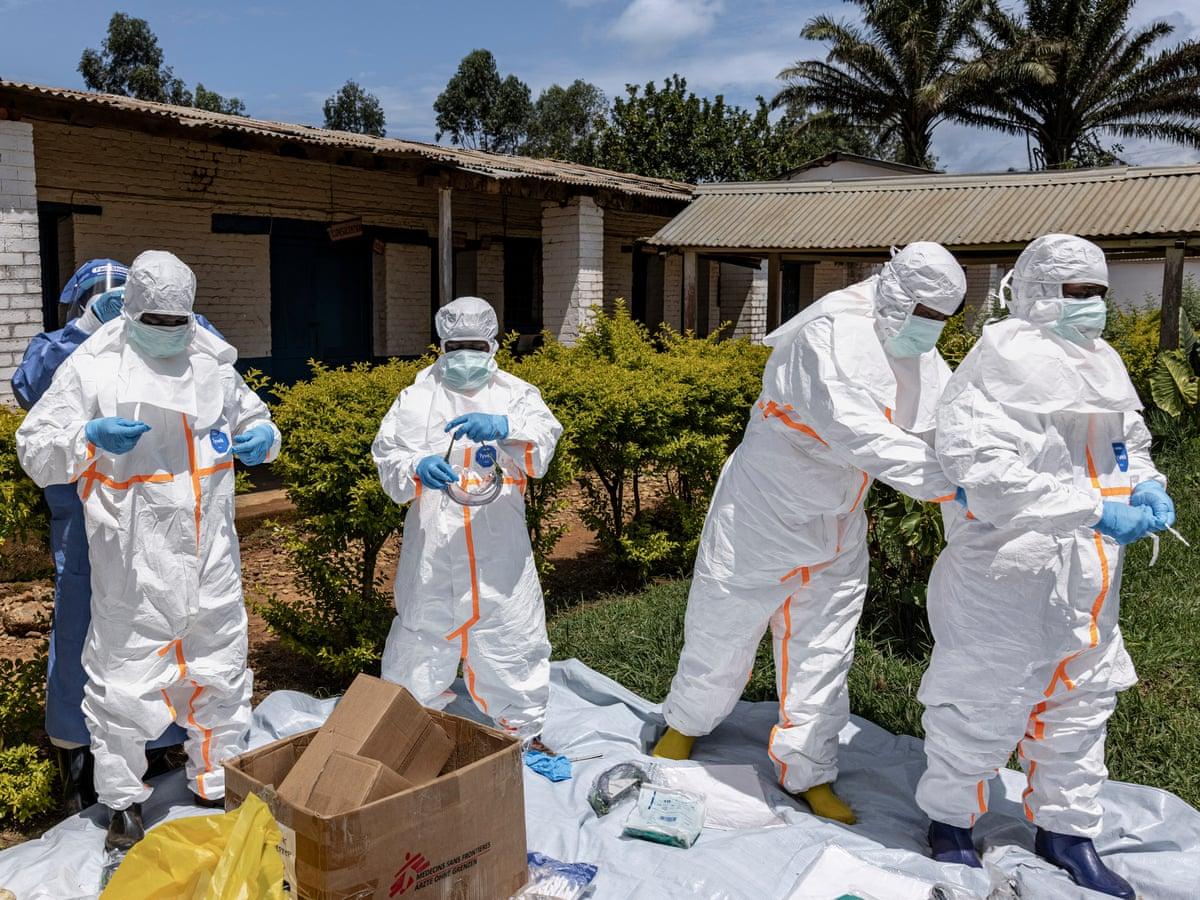
The regional situation has become more complicated.
Uganda had recorded cases during the outbreak but declared itself Ebola-free in August.
Kenya also announced a second Ebola case on Wednesday, October 14. The second patient was reported to be a relative of the first patient, who died earlier in the month.
These developments have increased the importance of coordination between neighbouring countries.
Health authorities need to monitor people who may have been exposed, investigate suspected infections and communicate information across borders.
However, the reports do not mean that Ebola is spreading uncontrollably across every country in the region.
The extent of transmission, the number of people exposed and the effectiveness of containment measures vary between locations.
What Is Being Done to Develop a Vaccine?
The Bundibugyo strain presents a particular challenge because vaccines developed for other Ebola strains cannot automatically be assumed to provide protection against it.
World Health Organization expected a first vaccine clinical trial for the Bundibugyo strain to begin in the Democratic Republic of the Congo by the end of October.
Such research is intended to help determine whether a vaccine candidate can provide protection.
A clinical trial is not the same as an approved vaccine becoming immediately available to the public.
Any vaccine would need to be evaluated for safety and effectiveness before decisions about wider use could be made.
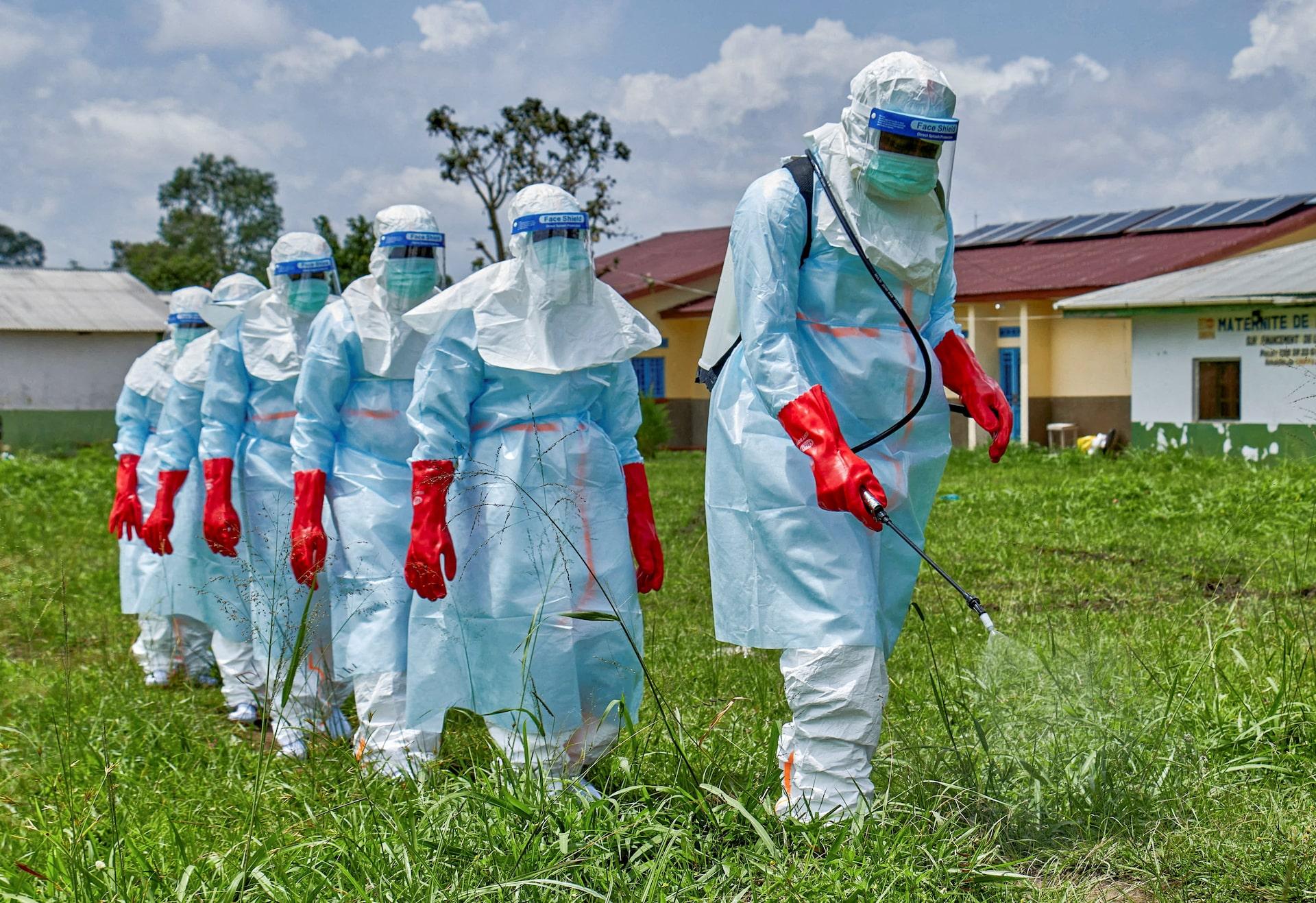
In the meantime, public health authorities must continue relying on disease surveillance, clinical care, infection prevention and other established outbreak-response measures.

Leave a comment
Your email address will not be published. Required fields are marked *