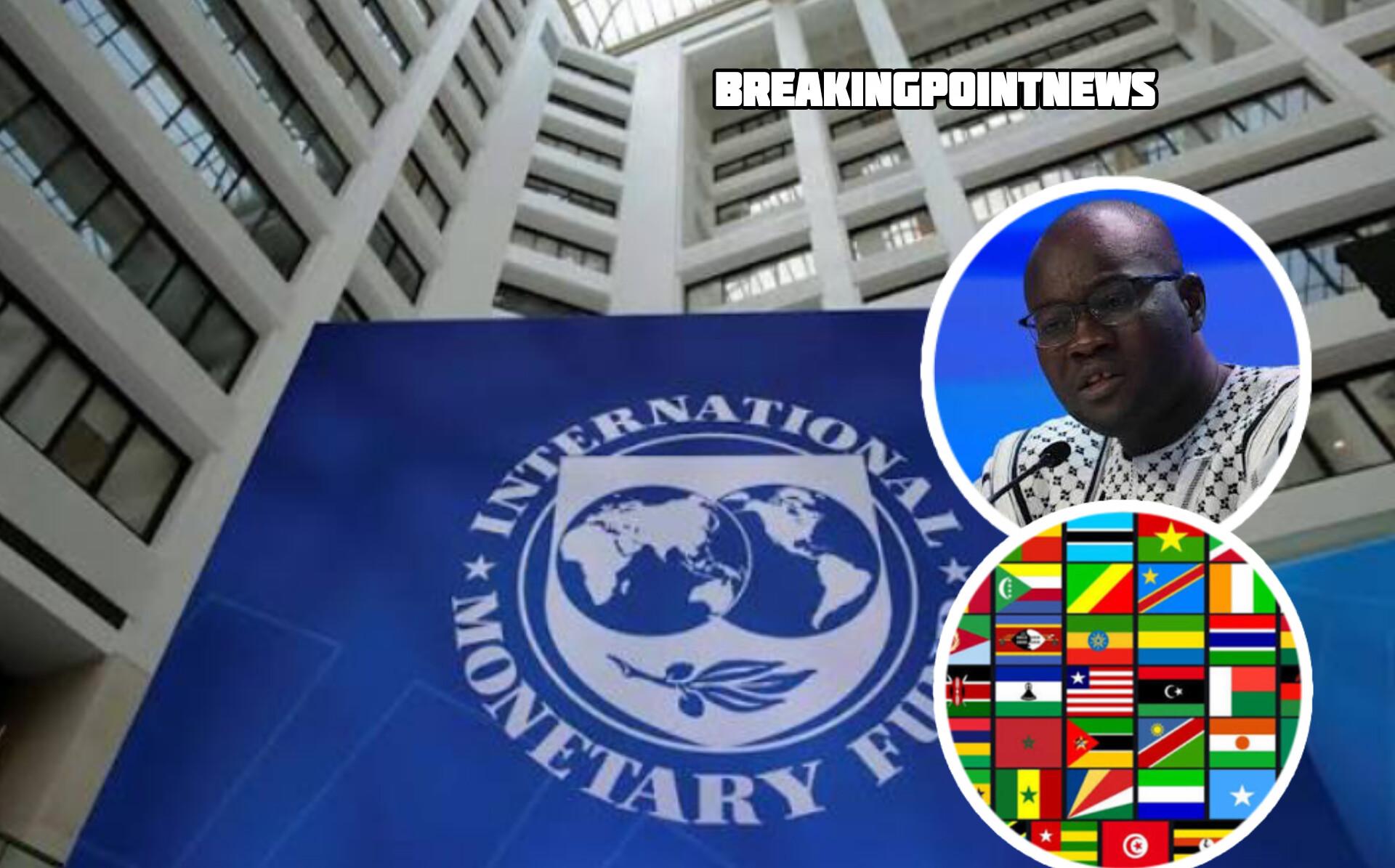
African economies are showing greater resilience than expected in the face of international economic pressures. But according to the latest assessment from the International Monetary Fund, that progress could be threatened by declining development assistance, inflation and another major global shock.
The IMF has raised its forecast for economic growth in sub-Saharan Africa to 4.5% in 2026, up from its earlier projection of 4.3%. It expects growth to reach 5% in 2027.
The revised outlook comes as countries across the region deal with higher energy costs linked to the conflict involving Iran, alongside continuing challenges from debt, insecurity and limited public finances.
However, the IMF's message is not simply that Africa is growing. It is that the continent may have fewer financial resources available to protect that growth if conditions deteriorate.
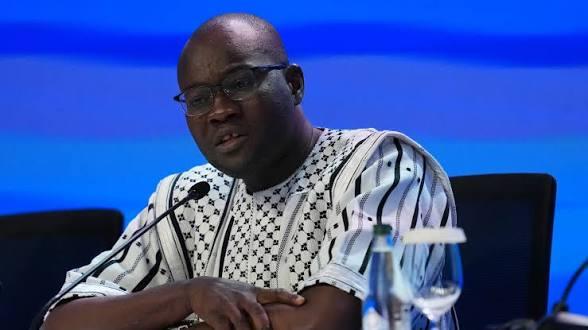
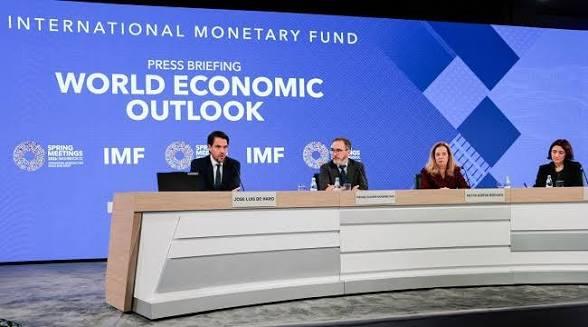
Speaking during the IMF and World Bank meetings in Bangkok on Thursday, October 15, the fund's Africa department director, Zeine Zeidane, said development assistance had fallen sharply in the previous year and was expected to decline by another 12% in 2026.
The warning raises an important question for African governments: how can they maintain economic progress if external support becomes less available?
Why Did the IMF Raise Its Growth Forecast?
The IMF's improved projection suggests that sub-Saharan Africa's economic performance has been stronger than previously anticipated.
Several countries have introduced economic reforms, while some commodity exporters have benefited from higher prices for minerals used in advanced technologies.
These developments have helped support regional growth despite international uncertainty.
The IMF has also highlighted opportunities for African countries to increase the value they obtain from natural resources rather than relying exclusively on exporting raw materials.
For example, Guinea is developing infrastructure to connect its Simandou iron ore project with the coast. Burkina Faso has also opened a gold refinery as part of efforts to expand domestic processing.
Such investments could create opportunities for industrial development, employment and additional economic activity.
But stronger growth forecasts do not mean every African country is experiencing the same conditions. The economic outlook varies considerably between countries, depending on their industries, public finances, infrastructure and exposure to international markets.
The Development Aid Problem
One of the most significant concerns in the IMF's assessment is the decline in development assistance.
According to Zeidane, aid to the continent fell substantially in 2025 and is expected to decrease by a further 12% this year.
That matters because development assistance supports programmes and services that may otherwise be difficult for governments to finance.
Depending on the country and the funding arrangement, assistance can contribute to healthcare, education, infrastructure and humanitarian operations.
When external support declines, governments may have to make difficult choices about spending priorities.
Countries already dealing with debt repayments, rising import costs or limited tax revenue may have less flexibility to respond to new emergencies.
The IMF's warning is therefore about the financial capacity of African economies to withstand another shock, not simply their ability to produce economic growth under current conditions.
Could Inflation Become Another Major Challenge?
Economic growth is only one part of the picture.
The IMF has also warned that inflation could rise across sub-Saharan Africa, increasing pressure on households and businesses.
Higher energy prices can affect transportation, electricity generation and the cost of producing goods.
When businesses face higher operating expenses, some may increase prices, potentially making food, transport and other essential items more expensive.
The impact will not be identical across the continent. Countries that import substantial quantities of fuel may face different pressures from those that produce energy domestically.
Governments and central banks will need to balance inflation control with the need to support economic activity.
For ordinary households, the important issue is whether stronger economic growth translates into improved purchasing power and more reliable access to essential goods and services.
Can African Countries Build More Economic Resilience?
The IMF's assessment also points to opportunities.
Countries with valuable mineral resources could invest more effectively in infrastructure, domestic processing and industries that create jobs beyond extraction.
The development of transport networks, electricity supplies and reliable digital infrastructure could help businesses become more productive.
The IMF has also highlighted the potential role of artificial intelligence in agriculture, education, healthcare and government services.
But those benefits will depend on practical investments in skills, technology and reliable electricity, rather than simply adopting new digital tools.
For African governments, the challenge is to convert economic growth into improvements in public services, productive employment and the ability to respond to future shocks.

Leave a comment
Your email address will not be published. Required fields are marked *