A regional mediation effort in Guinea-Bissau has collapsed after the country’s president threatened to expel an international delegation, raising fresh concerns about instability in one of West Africa’s most politically fragile states.
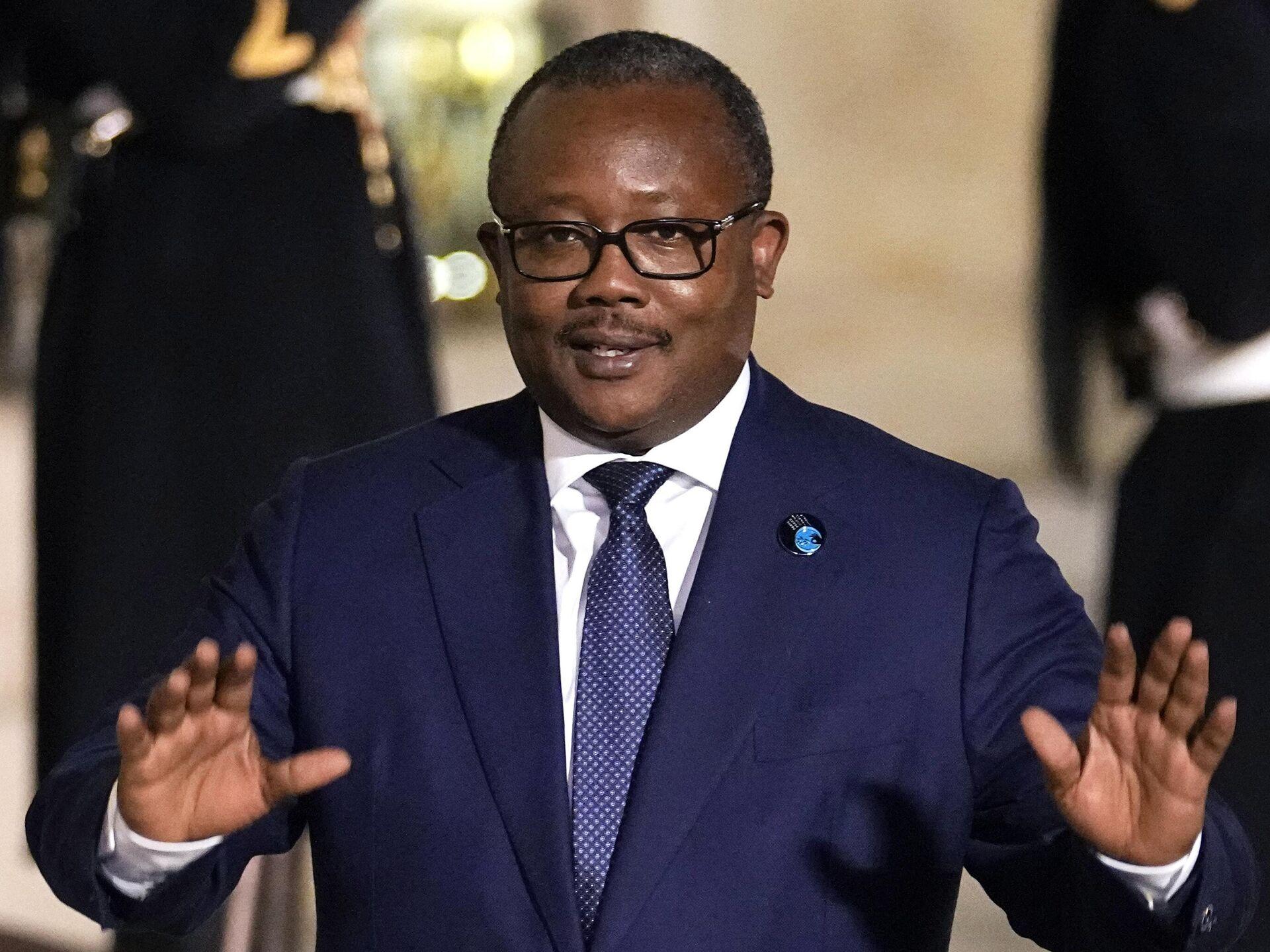
A team from the Economic Community of West African States (ECOWAS) abruptly left the country after what officials described as direct threats from President Umaro Sissoco Embaló, effectively ending weeks of diplomatic efforts aimed at resolving a growing political dispute.
The delegation had been working to broker an agreement on election timelines and ease tensions between the government and opposition. Instead, the mission’s sudden exit highlights just how quickly the situation has deteriorated.
A Dispute Over Power
At the centre of disagreement over when Embaló’s presidential term actually ends. Opposition leaders argue his mandate has already expired, accusing him of overstaying in power. The country’s top court, however, has ruled that his term runs until September—giving the president legal backing but doing little to calm political tensions.
The standoff has only intensified after delayed elections, with critics warning that the lack of clarity risks pushing the country deeper into crisis.
Mediation Breaks Down
ECOWAS has long played the role of regional stabilizer, especially in countries with histories of coups and contested leadership. Its involvement in Guinea-Bissau was seen as a critical step toward avoiding another political rupture. But the latest developments suggest a breakdown in communication between Bissau and the bloc.
Diplomatic sources say the ECOWAS team had already drafted a roadmap for elections before being forced to withdraw—leaving that plan in limbo and raising questions about what comes next.
A Country on Edge
Guinea-Bissau is no stranger to political upheaval. Since independence, the country has experienced repeated coups, attempted takeovers, and fragile transitions of power. That history is what makes the current moment especially concerning.
With mediation efforts stalled and political divisions deepening, analysts warn the risk of further instability is rising—especially if no credible path to elections is restored.
Regional Stakes Growing
The situation also underscores broader challenges facing ECOWAS, which has struggled to maintain influence amid a wave of coups across West Africa in recent years.
Its forced exit from Guinea-Bissau may signal weakening leverage at a time when regional stability is already under pressure. For now, the bloc is expected to reassess its approach. But on the ground in Bissau, the immediate reality is clear: dialogue has broken down—and uncertainty is back at the center of the country’s political future.

Leave a comment
Your email address will not be published. Required fields are marked *