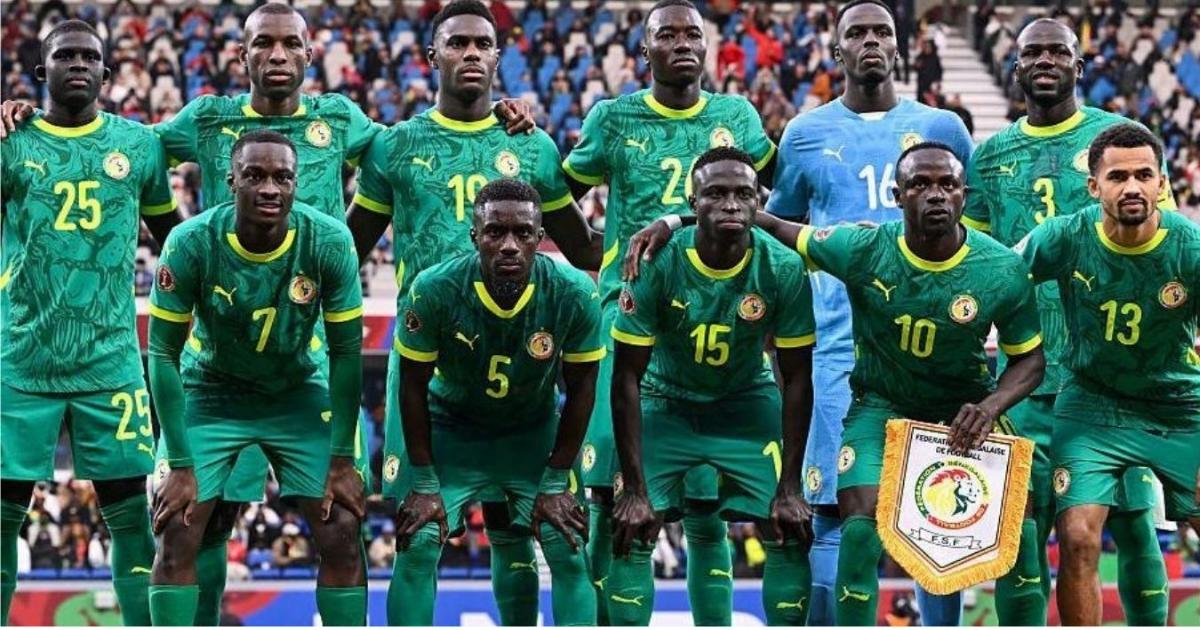
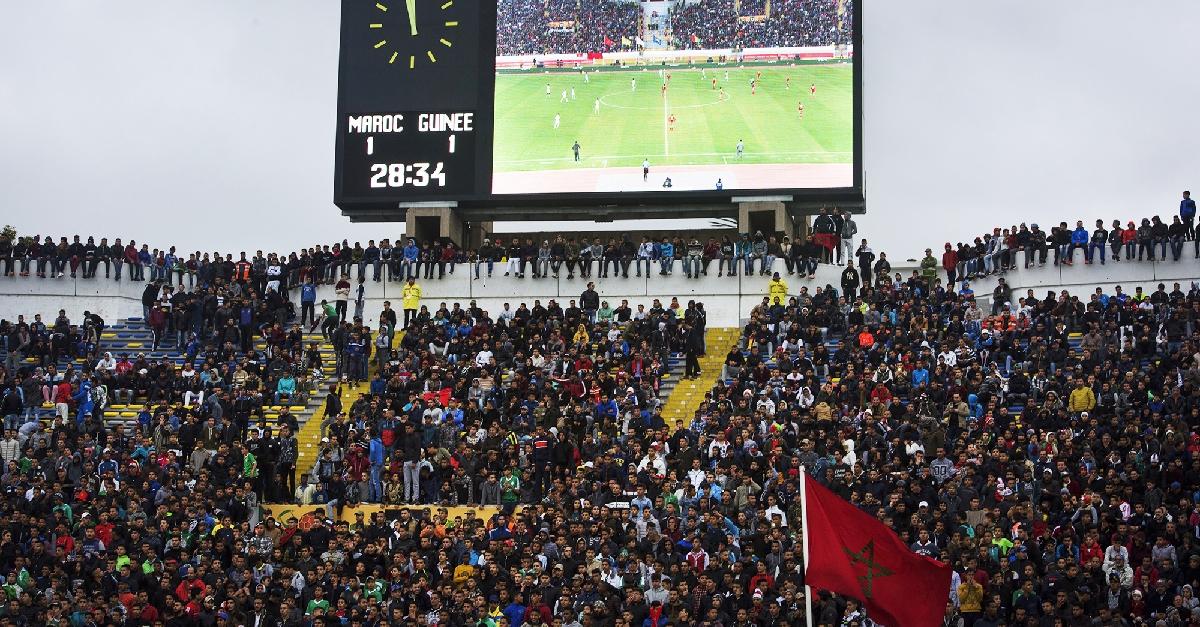
The 2025 Africa Cup of Nations (AFCON) is facing major disruption after FIFA issued a last-minute ruling that has forced African national teams to overhaul their training plans. The decision, announced just weeks before the tournament kickoff, has sparked widespread frustration among coaches, fans, and football associations across the continent.
FIFA Shortens Player-Release Window for AFCON 2025
According to multiple reports, FIFA has ruled that clubs are only obligated to release players starting December 15, a drastic change from the traditional two-week release window African teams have relied on for proper preparation.
This means national squads can no longer call up their European-based and international players early for training camps — a move African football federations say unfairly disadvantages teams competing in AFCON 2025.
The decision affects nearly every major side in the tournament, including:
- Senegal
- Angola
- DR Congo
- Ivory Coast
- Ghana
- Nigeria
- Egypt
- Cameroon
Several teams have already cancelled or reduced their planned overseas training camps due to the restricted timeline.
National Teams Frustrated: “How Do We Prepare?”
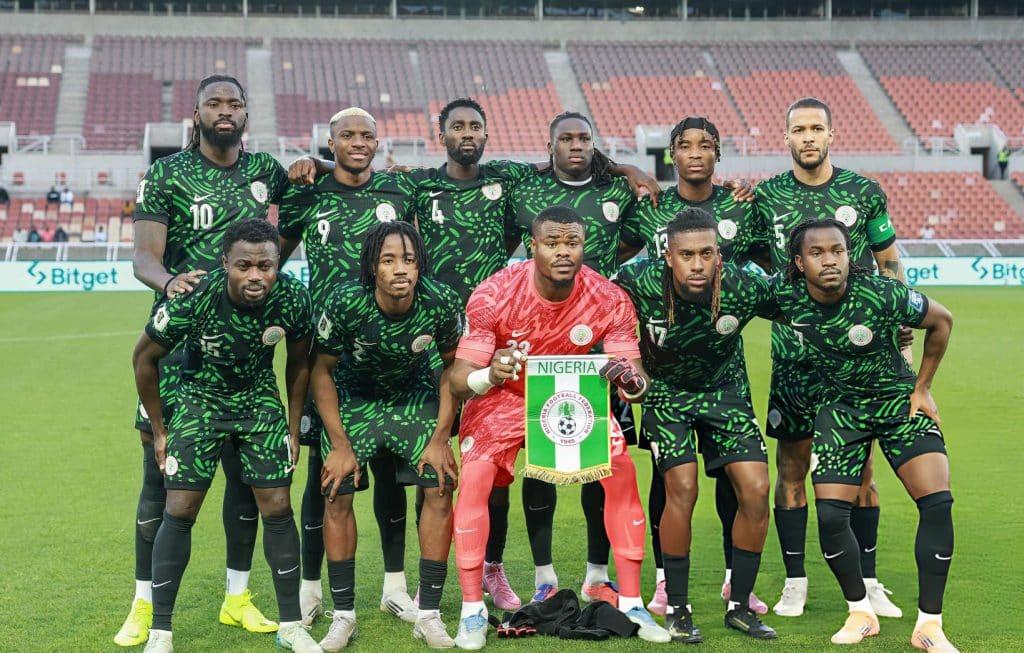
Coaches and federation officials have expressed anger, calling the timing disrespectful to African football and damaging to the tournament’s competitive integrity.
Many African stars—including players in the Premier League, Serie A, and Ligue 1—will now arrive only days before their opening AFCON matches. This leaves coaches with less time to build chemistry, test formations, or integrate new players.
Some associations have accused FIFA of applying inconsistent decisions when it comes to African competitions, pointing out that other continental tournaments have historically been granted longer preparation windows.
Cancelled Camps and Chaotic Timelines
Before the ruling, several countries had lined up high-altitude or warm-weather training camps in Europe and North Africa. These camps were designed to help teams acclimatize to host-nation conditions and finalize tactical plans.
Now:
- Senegal has reportedly cancelled its Portugal training program.
- Ivory Coast and Angola are scrambling to book shorter domestic camps.
- DR Congo has been forced to readjust travel schedules and squad selections.
The sudden changes are creating logistical headaches—from flights and accommodation to match-fitness planning.
Fans React: “AFCON Deserves Respect”
Fans across Africa have taken to social media demanding fair and equal treatment for the continent’s premier football competition. Many argue that the AFCON—which regularly showcases world-class talent—has earned global respect and must not be undermined by last-minute administrative decisions.
The hashtag #RespectAFCON has started trending in several countries.
Possible Impact on AFCON 2025 Performance
Experts warn that the shortened training period could directly affect the quality of AFCON matches. Teams may struggle with:
- Lack of cohesion
- Higher injury risks
- Limited tactical preparation
- Fatigue from long-distance travel
This could reshape expectations for traditional favourites—and potentially pave the way for surprise performances by teams with more domestically based squads who can train earlier.
What Happens Next?
While several football federations are appealing for reconsideration, FIFA has not indicated any intention of reversing the ruling. With AFCON 2025 fast approaching, national teams now have no choice but to adapt.
The decision has sparked a broader debate about how global football organizations treat African competitions—a conversation likely to intensify throughout the tournament.
Conclusion: AFCON 2025 Faces a Turbulent Start
FIFA’s unexpected decision to limit the player-release window has dramatically reshaped the buildup to the 2025 Africa Cup of Nations. As teams scramble to salvage their preparations, the ruling may influence not only early-round match quality but potentially the entire outcome of the tournament.
One thing is certain: AFCON 2025 will begin under controversy, pressure, and heightened global attention.

Leave a comment
Your email address will not be published. Required fields are marked *