
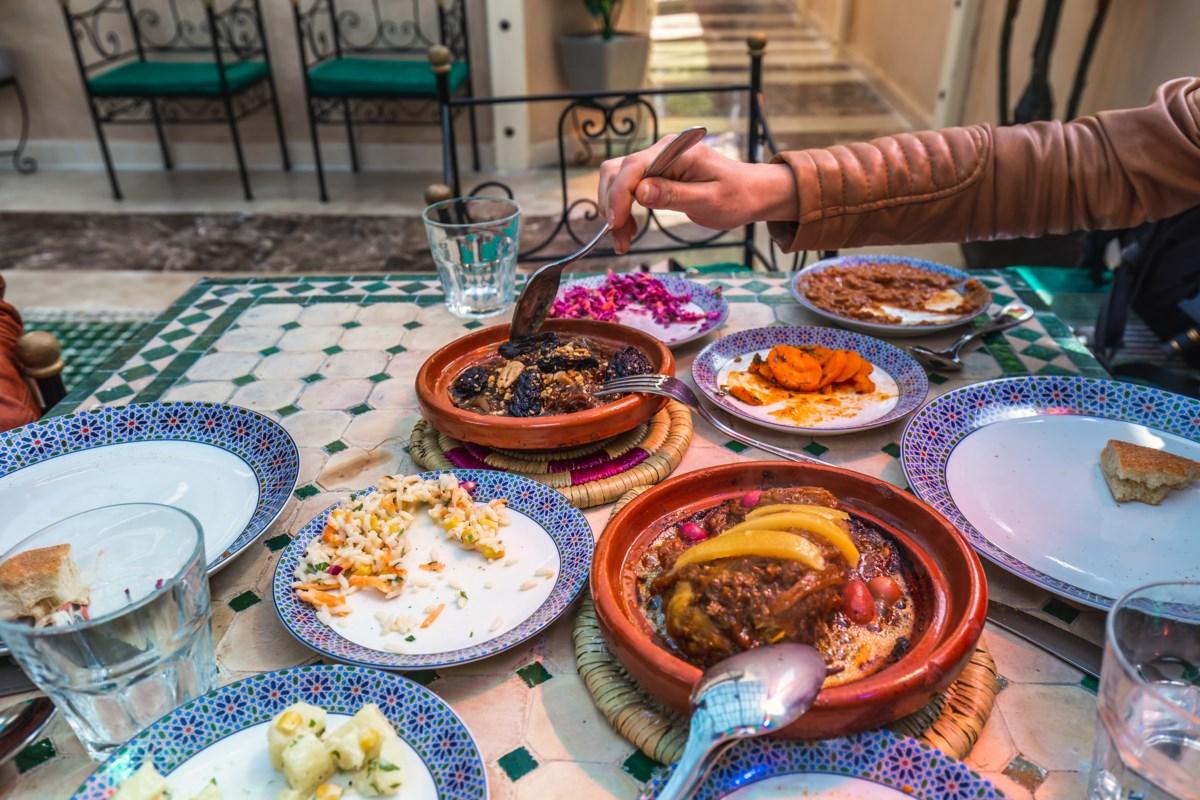
In Morocco, a centuries-old tradition sees men thanking women for the long hours they spend preparing meals during the holy month of Ramadan.
The custom, known as the “Right of Salt,” is practiced in many Moroccan families and is meant to recognize the effort women put into preparing daily meals for iftar and suhoor while also fasting during the day. (Africanews)
A Tradition of Gratitude
During Ramadan, women in many Moroccan households often take the lead in preparing large family meals each evening. These meals can include traditional dishes such as Harira, a hearty soup commonly served to break the fast, along with pastries and sweets.
As Ramadan comes to an end and Eid al-Fitr approaches, many Moroccan men buy gifts to show appreciation for the work women have done throughout the month.
The gifts can range from jewelry and clothing to perfumes or small tokens of gratitude depending on a family’s budget. (Africanews)
Why It’s Called the “Right of Salt”
The phrase “Right of Salt” refers to the effort women make when cooking meals during Ramadan.
Because Muslims fast during the day, cooks often cannot taste the food while preparing it. The tradition symbolically recognizes the attention women give to seasoning meals and ensuring they are prepared perfectly for the family despite fasting themselves. (Africanews)
Keeping the Tradition Alive
Many Moroccan families say the tradition is about respect and appreciation for the hard work that goes into preparing meals during Ramadan.
Some fathers also encourage their sons to continue the practice when they get married, helping pass the tradition to the next generation.
Even as lifestyles change and more women work outside the home, the gesture remains a meaningful way for families to celebrate gratitude and togetherness during the holy month.
The Bottom Line
The Moroccan “Right of Salt” tradition highlights the importance of recognizing the unseen work that often happens in the kitchen during Ramadan.
For many families, a small gift or gesture of thanks is a simple but powerful way to honor the women who help bring loved ones together at the iftar table.

Leave a comment
Your email address will not be published. Required fields are marked *