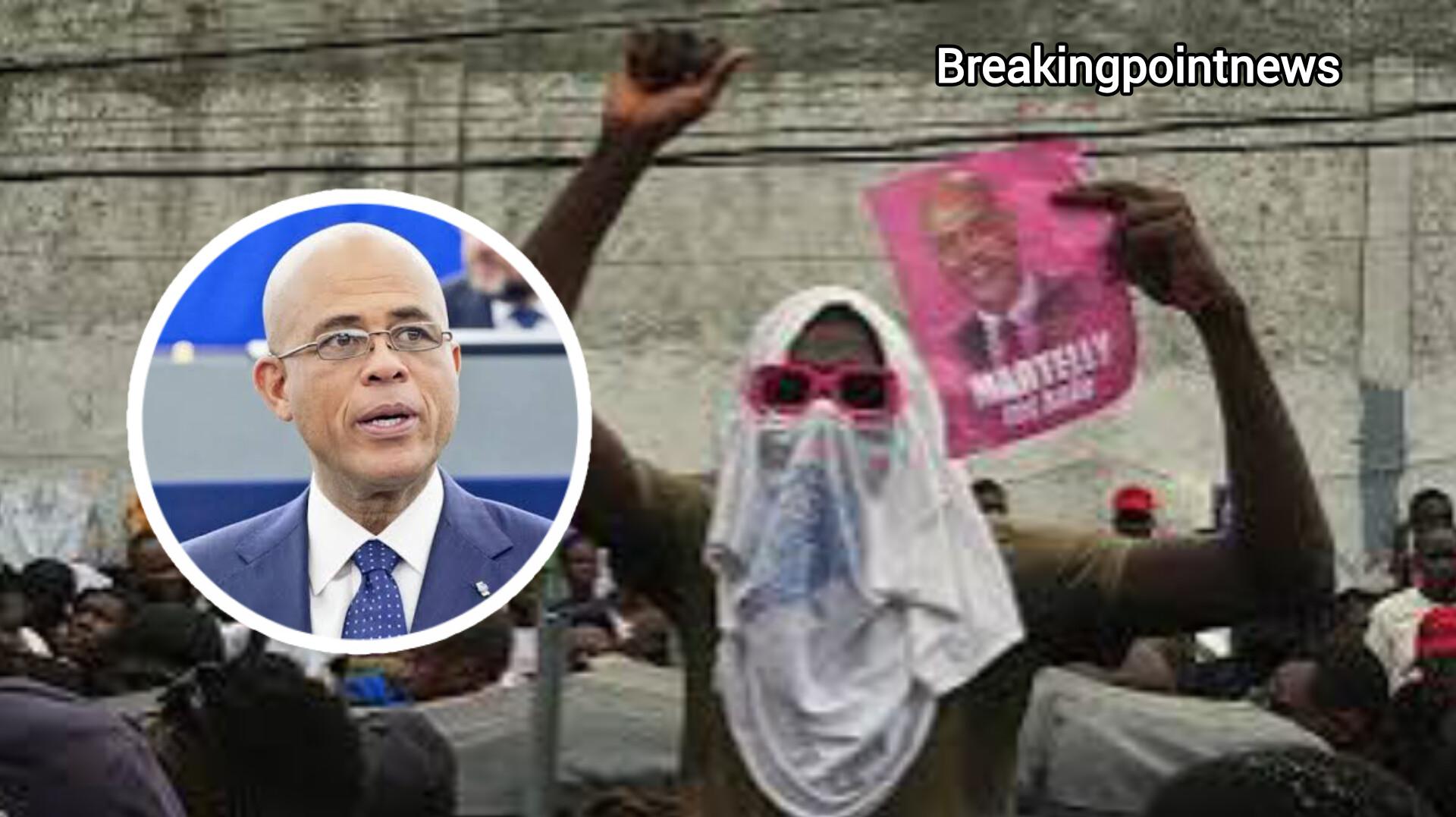
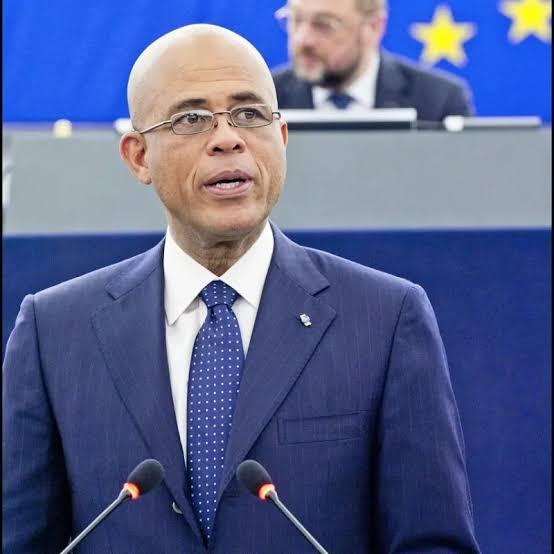
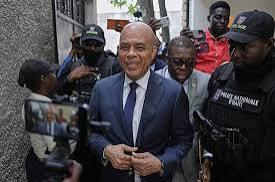
Haiti's former president Michel Martelly formally submitted his candidacy on Friday for the country's upcoming general elections the first in more than a decade.
Martelly, who had already registered online, appeared at the Provisional Electoral Council's offices with three lawyers, followed by hundreds of supporters, to file the documents required to run in the election scheduled for 13 December. He is running under the banner of Debloke, a political coalition that includes former members of PHTK, the party he previously led.
Martelly, once a popular musician known as "Sweet Micky," served as president from 2011 to 2016. His political career has been dogged by controversy. Canada sanctioned him in November 2022. In August 2024, the US Treasury's Office of Foreign Assets Control accused him of facilitating drug trafficking into the US, laundering money for Haitian traffickers and working with them. In December 2025, the EU imposed a travel ban and asset freeze, alleging he armed and financed gangs to advance his political agenda, control territory and protect his business interests. Martelly has never publicly responded to the allegations.
A key shift came on 9 October, when Haiti's electoral council dropped a rule targeting candidates sanctioned by foreign countries scrapping the requirement for a central bank certificate confirming no frozen assets. Critics say the change weakens accountability and amounts to the political class protecting itself.
The reality on the ground is far more complicated than the candidate list suggests.
Armed gangs control an estimated 70% of Port-au-Prince and have expanded into surrounding provinces, displacing more than 1.4 million people. Between July and September alone, the UN documented over 1,000 deaths and hundreds of kidnappings. Haiti's economy is projected to contract for a seventh consecutive year in 2026, and its humanitarian response plan is less than half funded.
More than 50% of Haiti's electorate lives in the three regions hardest hit by gang violence, and it remains unclear whether all those seeking to vote will be able to register let alone cast a ballot. Only about 784,000 people have registered so far, out of a population of more than 12 million. In Artibonite Haiti's second-largest voting district just 58,695 have signed up, after the province experienced an unprecedented surge in gang violence this year.
The UN's special representative for Haiti, María Isabel Salvador, told the Security Council that setting a "credible and realistic" electoral calendar is urgent, warning that forcing a new date without assessing feasibility “will only erode public trust and institutional credibility.”
Days before Martelly registered, four Salvadoran military technicians with the Gang Suppression force were abducted in an ambush outside Port-au-Prince. El Salvador's President Nayib Bukele dispatched around 200 soldiers on a rescue mission and publicly warned gang leaders that "today's attack is nothing compared to what is coming." The incident underscores the direct challenge international security forces face in Haiti and raises fresh doubts about whether the election can be secured.
Sixteen presidential candidates have registered so far, with the deadline extended to 31 October. But the deeper question remains: in a country where gangs hold half the territory and a quarter of the population has been displaced, who will an election actually represent?

Leave a comment
Your email address will not be published. Required fields are marked *