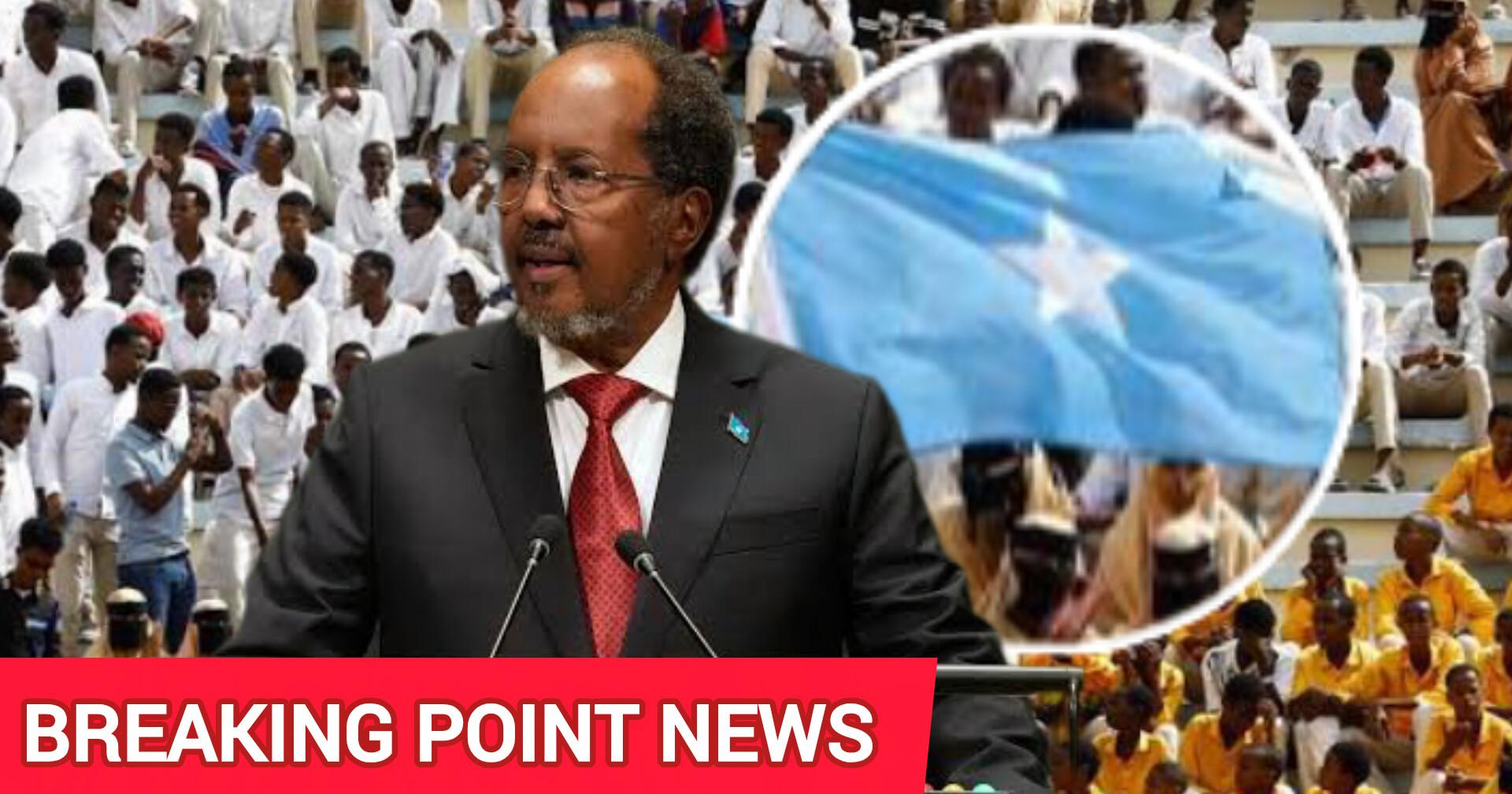
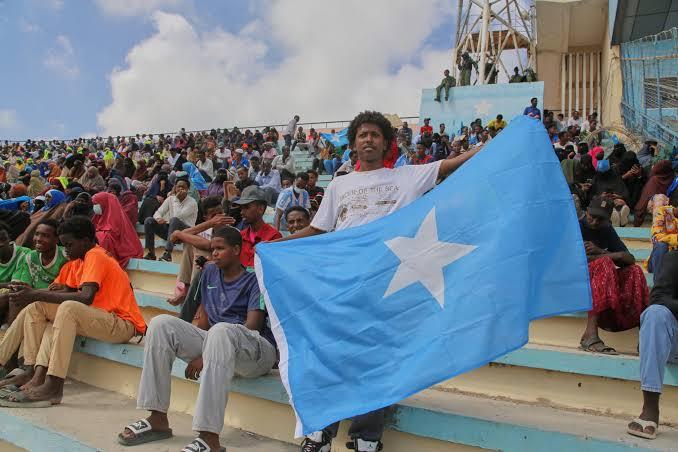
Hundreds of people gathered in Somalia's capital, Mogadishu, on Thursday to support the government's decision to expel the United Arab Emirates ambassador, marking another escalation in the growing diplomatic dispute between the two countries.
The demonstrations followed a government announcement ordering the Emirati ambassador to leave Somalia within 72 hours and recalling Somalia's own ambassador from Abu Dhabi for consultations.
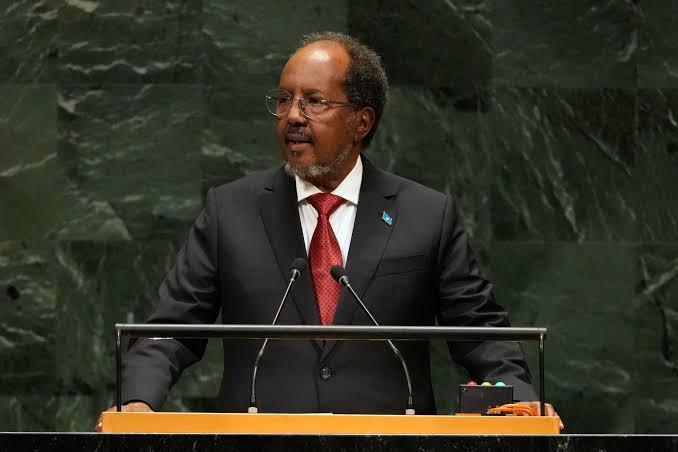
President Hassan Sheikh Mohamud has accused the UAE of undermining Somalia's sovereignty by supporting regional authorities and armed forces operating outside the control of the federal government. Somali officials argue that foreign partnerships with regional administrations without federal approval threaten national unity and weaken the country's authority.
During the protests, demonstrators expressed support for the president's decision, with some accusing the UAE of acting against Somalia's interests. The rallies reflected growing public anger among supporters of the government's position as tensions continue to rise.
The UAE, however, has rejected Somalia's accusations, describing Mogadishu's approach as hostile and damaging to relations between the two countries.
Dispute over ports and regional influence
The diplomatic confrontation has been building for months, particularly over the UAE's relationships with Somaliland, Puntland and Jubbaland.
Somalia's federal government has objected to agreements involving ports, security and other strategic interests in these regions, arguing that such arrangements should be handled through the national government.
The dispute is especially sensitive because the UAE has invested in port infrastructure and commercial projects in the Horn of Africa. Its involvement in ports such as Berbera, Bosaso and Kismayo has strengthened its economic and strategic presence in the region.
In January, Somalia cancelled agreements with the UAE covering port operations, government institutions, security and defence cooperation. Regional authorities, however, rejected Mogadishu's decision, arguing that the federal government could not unilaterally cancel agreements involving their territories.
The disagreements have exposed a deeper struggle over how much authority Somalia's federal government should exercise over regional administrations and foreign partnerships.
UAE rejects accusations as tensions continue
The UAE has strongly pushed back against the Somali government's allegations.
Emirati diplomatic adviser Anwar Gargash criticised President Mohamud's position, accusing him of placing personal political calculations ahead of Somalia's national interests. Abu Dhabi has also defended its long-standing relationship with Somalia, pointing to previous support for military training, economic development and commercial investment.
The latest expulsion order represents one of the strongest diplomatic actions Somalia has taken against the UAE since the agreements were cancelled earlier this year.
Somalia faces wider political uncertainty
The diplomatic dispute comes at a difficult moment for Somalia, which is already facing domestic political tensions.
Disagreements over elections, federal authority and relations between the central government and regional administrations have contributed to instability. Recent clashes and disputes over political leadership have added pressure to a country still dealing with security challenges.
The closure of the United Nations' political mission has also raised questions about future efforts to mediate disagreements between Somali political leaders.
With the UAE ambassador expected to leave within the 72-hour deadline, attention is now focused on whether the dispute will lead to further diplomatic measures or whether both sides can find a way to reduce tensions.
The crisis could have wider implications for regional cooperation, trade, port operations and security partnerships across the Horn of Africa, particularly if relations between Mogadishu and Abu Dhabi continue to deteriorate.

Leave a comment
Your email address will not be published. Required fields are marked *