
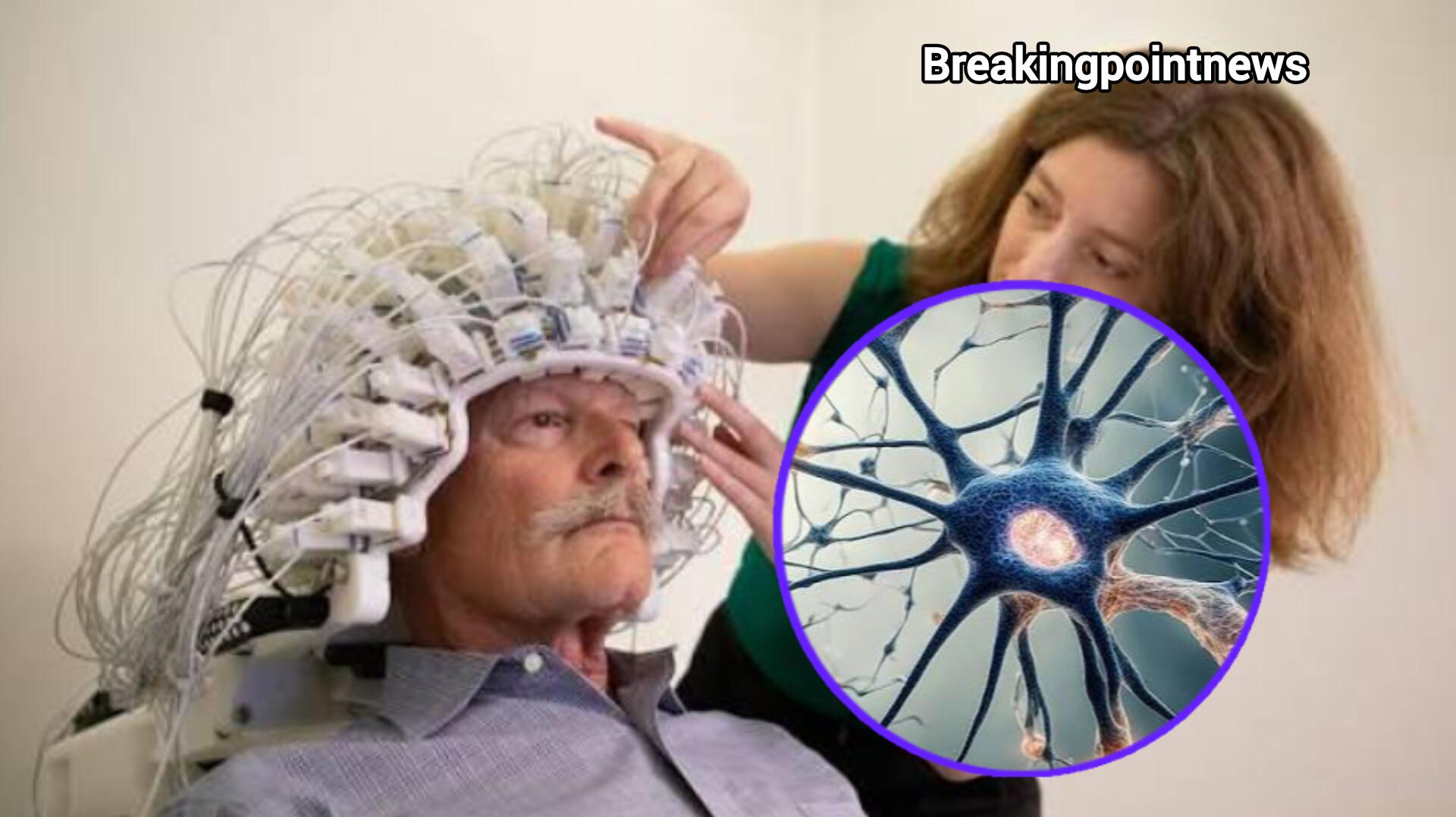
Stanford Medicine scientists have identified distinct patterns of brain activity that may reveal Alzheimer's risk years before memory problems appear, according to a study published November 4 in Science Advances .
The research offers what could be the earliest warning sign yet for people with no apparent cognitive impairment and a potential target for intervention before irreversible damage sets in.
A different kind of comparison
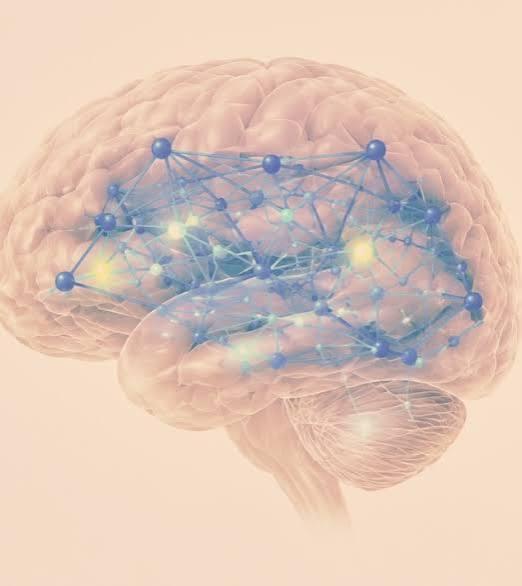
Most Alzheimer's studies compare patients with cognitively "normal" older adults. But senior author Yu Zhang, PhD, saw a flaw in that approach: "Normal, cognitively unimpaired individuals are pretty heterogeneous in terms of their biological abnormalities" . Some may already harbor early amyloid plaques; others may be silently resilient.
Instead, Zhang's team contrasted two extremes: 180 “super agers” adults 75 or older with memory capacity typical of a 45-year-old and 110 people diagnosed with Alzheimer's . Using resting-state functional MRI, they identified patterns of underactivity and overactivity across brain networks that distinguished the two groups with roughly 85% accuracy .
From this, they built the Alzheimer's Resilience-Vulnerability Connectome, or ARC score .
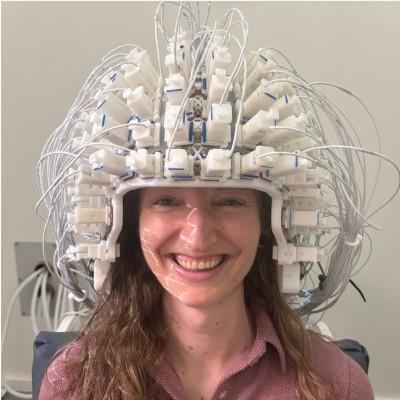
The researchers then applied the ARC score to more than 1,300 cognitively healthy adults aged 55 to 70. At baseline, all appeared cognitively similar. But their brain patterns told different stories .
Those with more Alzheimer's-like activity were more likely to experience cognitive decline, develop amyloid-beta plaques, and receive an Alzheimer's diagnosis within the next 12 years. Those with super-ager-like patterns tended to avoid these outcomes .
Crucially, the ARC score outperformed demographics, amyloid-beta and tau biomarkers, and genetics at predicting decline and it did so at an earlier stage . Combining ARC with traditional biomarkers improved predictions further .
Zhang is careful to stress that ARC scores are not diagnostic. They reflect statistical probabilities, not certainties, and brain activity can change with aging, injury, and other conditions .
But the findings open a door. Zhang hopes interventions such as transcranial magnetic stimulation or cognitive training could one day nudge vulnerable brain patterns toward resilience. "There are two main components: One is to know which part of the brain to target, the other is how we should change it," he said. "That's why identifying the super-ager brain resilience pattern is a critical component so we know what a good pattern should be" .
His team is planning a trial to test whether cognitive training can alter ARC scores. "If we can precisely identify such an early indicator, I'm optimistic that we can reverse or prevent this process through advanced intervention technologies," Zhang said .

Leave a comment
Your email address will not be published. Required fields are marked *