
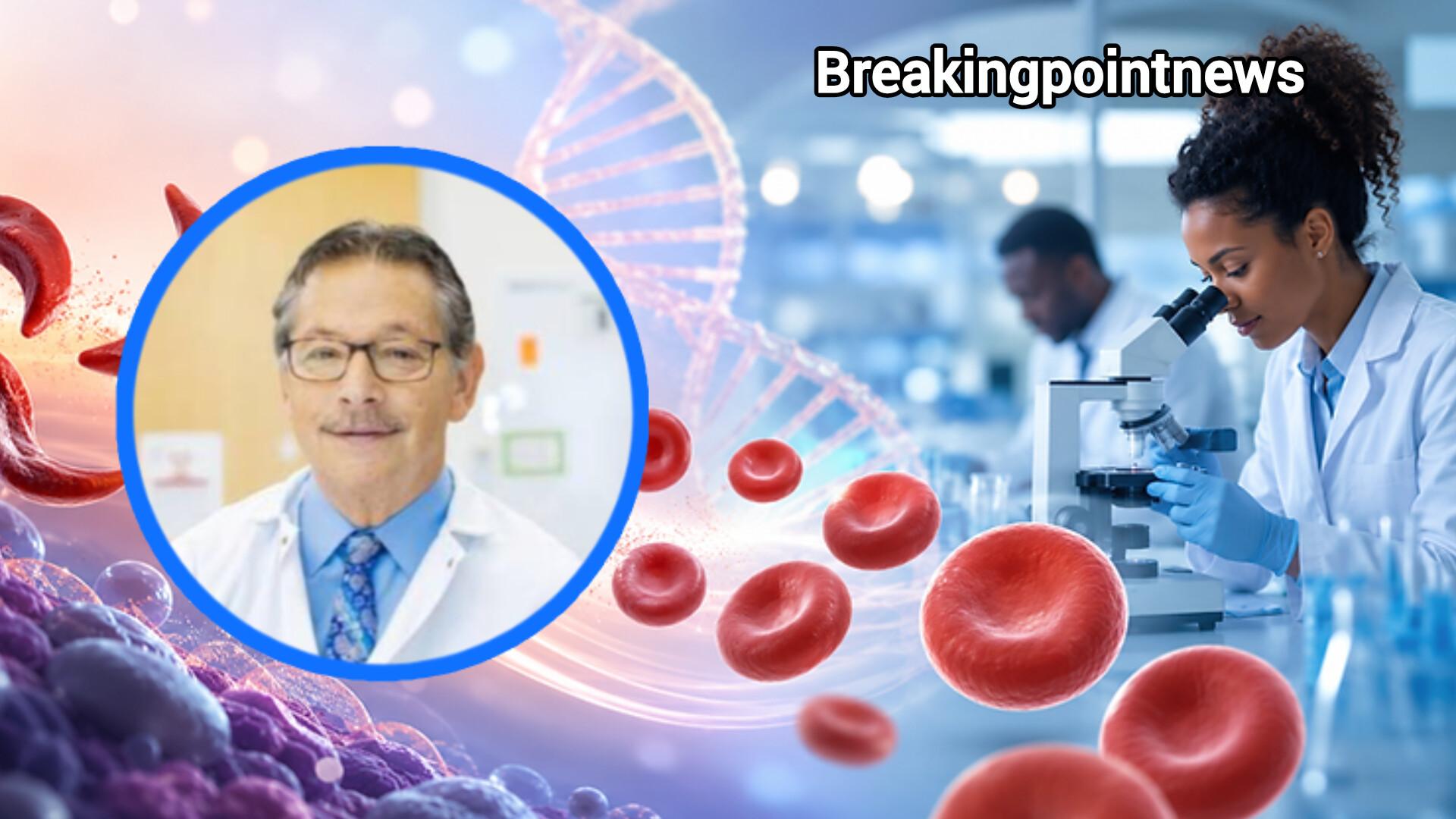
Most approved gene therapies for sickle cell disease work around the problem rather than fixing it. One adds a modified anti-sickling gene; another boosts fetal hemoglobin to prevent sickling. UCLA's approach does something different: it uses CRISPR-Cas9 to directly correct the exact mutation in the beta-globin gene that causes the disease .
The challenge was scale. Laboratory experiments involve a few hundred thousand cells; treating one patient requires editing hundreds of millions . The UCLA team developed a manufacturing process where blood-forming stem cells are cultured for two days, then exposed to electrical pulses that open temporary pores in their membranes, allowing CRISPR-Cas9 and a short corrective DNA strand to enter without using a viral vector
The team completed seven manufacturing runs four at full clinical scale using cells from sickle cell patients and healthy donors. All large-scale runs met quality requirements, yielding cell products with high stem cell purity and viability . When edited cells were grown into red blood cells in the lab, they produced substantially less sickle hemoglobin and higher levels of healthy adult and fetal hemoglobin .
In mice, the edited human cells engrafted successfully, and the proportion of corrected gene copies remained stable over 16 weeks a crucial sign that the correction could persist long-term. No noteworthy treatment-related toxicity or abnormal tissue changes were found .
The manufacturing process has been implemented at UCLA to produce cell products for two participants in an ongoing Phase 1 trial led by Dr. Mark Walters at UCSF Benioff Children's Hospital Oakland . The trial will assess safety and efficacy, including whether corrected cells persist in patients over time.
If enough long-lasting corrected stem cells engraft, the therapy could offer a one-time treatment with curative potential allowing those cells to continuously produce red blood cells containing normal adult hemoglobin . The approach also provides a framework for moving other gene-editing therapies for inherited blood disorders from the lab to the clinic.
The study was published in Molecular Therapy .

Leave a comment
Your email address will not be published. Required fields are marked *