The 1951 Refugee Convention, the founding legal framework for protecting people fleeing war and persecution, turned 75 on July 28. UNHCR marked the anniversary with a global campaign called The Promise, urging governments to recommit to the treaty's core principles. But behind the commemorations, the honest question being asked in Geneva, Nairobi, and Lagos alike is blunter: does the Convention still work?
A framework built for a different era
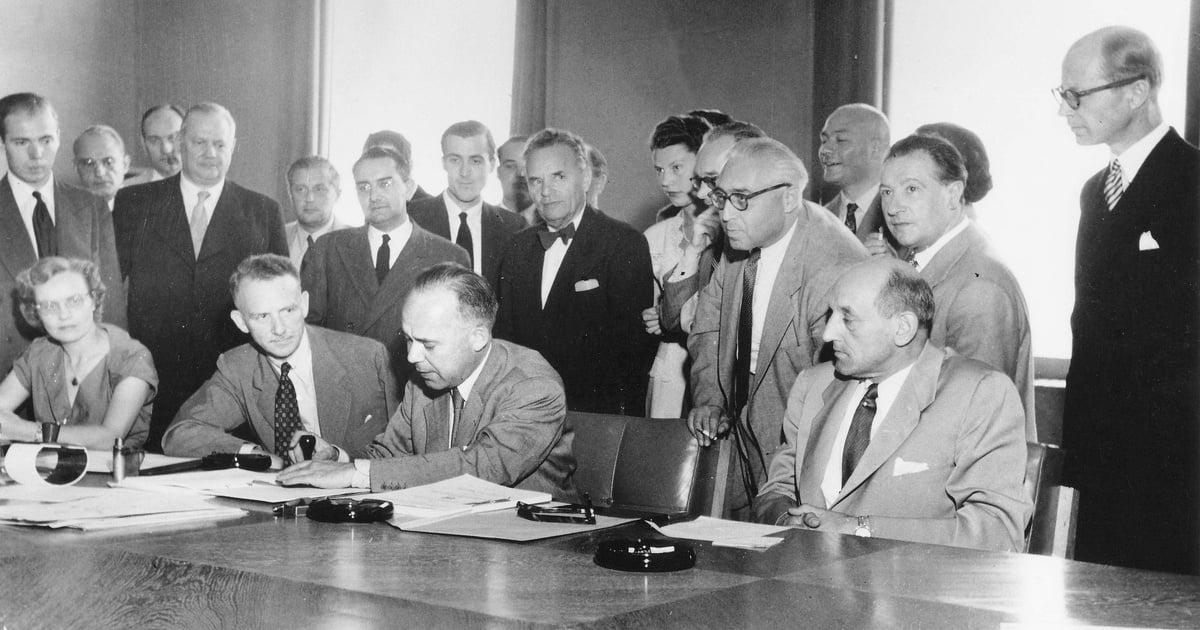
The Convention was drafted in the aftermath of the Second World War, when millions of Europeans had been displaced and governments needed a shared legal standard for who counted as a refugee and what they were owed. It was expanded in 1967 to apply globally rather than just to Europeans. Today, 149 nations are parties to it, and notably, no country has ever formally withdrawn — though that record is being tested. The treaty enshrines a simple, foundational principle: people fleeing persecution should not be sent back to places where their life or freedom would be at risk.
Seventy-five years later, UNHCR says the world is dealing with roughly 41.6 million refugees, with around two-thirds of them hosted in low- and middle-income countries — a distribution that puts the heaviest burden on the countries with the fewest resources to carry it, many of them African and Middle Eastern.
Erosion without withdrawal
What's notable about this anniversary is that the Convention's crisis isn't happening through open rejection. No state has torn up the treaty. Instead, according to a recent International Rescue Committee brief, protection is being hollowed out through funding collapse, coerced "voluntary" returns, and the outsourcing of asylum obligations to third countries with poor rights records. The IRC's data point is stark: roughly 14.7 million displaced people returned to their home countries in 2025, the second-highest figure in 60 years of record-keeping — not because conditions improved, but, researchers argue, because desperation was engineered through defunded systems and diminishing options elsewhere.
Academic analysis frames this as a shift from a rights-based refugee regime to what researchers call an "architecture of containment" — border externalization, procedural delays, and institutional delegation that let states technically comply with the Convention while functionally limiting who can ever reach it.
The politics driving the pressure
Much of this pressure is coming from wealthy nations retreating from commitments they helped write. The Trump administration has reportedly considered withdrawing U.S. support from UNHCR entirely, accusing the agency of pursuing what officials call a "mass migration agenda," and has already stripped protected status from Syrian and Haitian nationals. Across Europe and Latin America, right-wing political movements have gained ground partly by stoking anti-refugee sentiment, pressuring governments to tighten asylum rules even as global displacement climbs.
Why this lands differently for African and diaspora communities
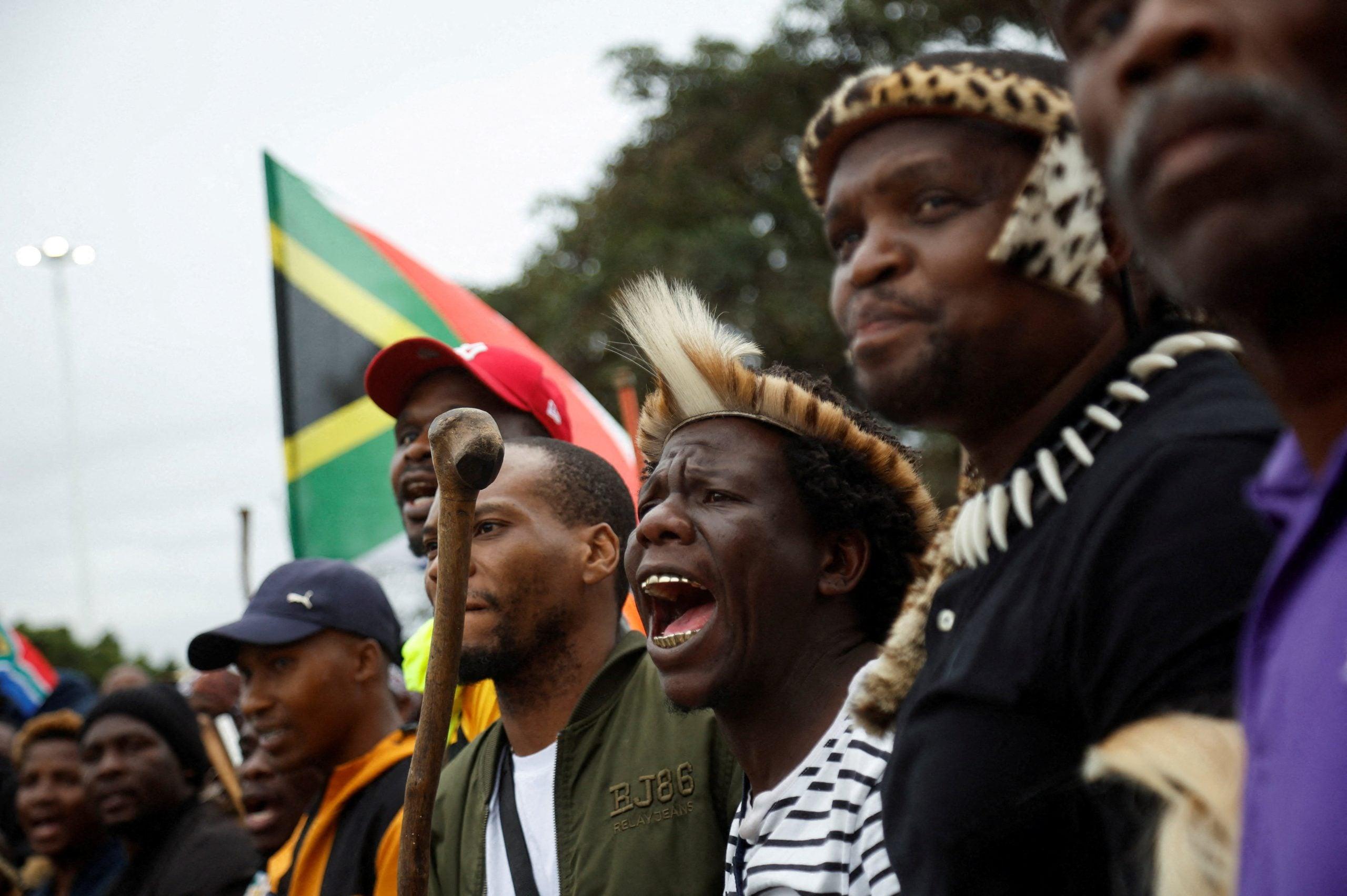
For BPN's audience, this isn't an abstract Geneva policy debate — it's the legal backdrop against which every migration story we cover actually plays out. It's the framework that's supposed to protect Nigerians displaced by insecurity, Sudanese and Congolese fleeing conflict, and Sahelian communities uprooted by instability. It's also the same framework being quietly weakened at the exact moment anti-migrant sentiment is flaring in places like South Africa, where xenophobic attacks have targeted Nigerians and other African migrants in recent months, and where diplomatic tensions BPN has covered extensively remain unresolved.
There's a deeper irony worth naming: wealthy Western nations are hosting a shrinking share of the world's refugees while tightening the rules loudest, even as UNHCR's own numbers show most refugees are already being sheltered by developing countries, many of them African, that have far less capacity to do so. The 75th anniversary dialogues UNHCR is running throughout 2026 are meant to address exactly this imbalance, with recommendations due by October and a final High Commissioner's Dialogue set for December. Whether that process produces real reform, or just another round of commemorative language, will matter enormously to the millions of Africans currently displaced across the continent and beyond it.
The Convention's defenders point out that it has never been withdrawn from and has saved millions of lives over 75 years. Its critics point out that a treaty can remain technically intact while being effectively abandoned in practice. On its 75th birthday, the honest answer is that both things are true at once — and Africa, hosting a disproportionate share of the world's displaced, has more riding on which version wins out than almost anywhere else.

Leave a comment
Your email address will not be published. Required fields are marked *