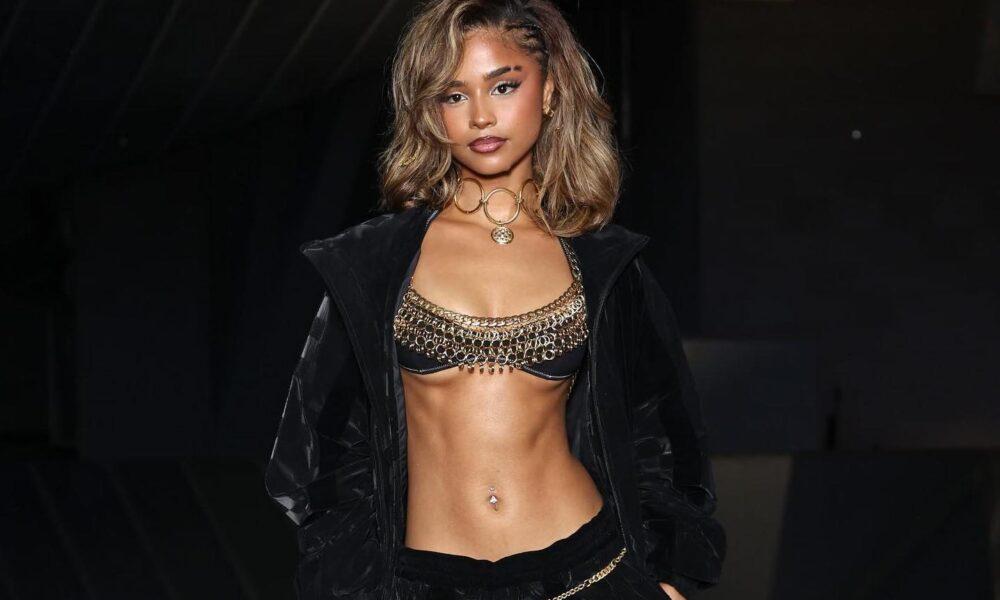
The diplomatic standoff between Nigeria and South Africa has now spilled into pop culture. South African singer Tyla has removed Lagos from the schedule of her A*POP World Tour, days after the planned December 22 concert became a flashpoint for Nigerian anger over renewed xenophobic attacks against Nigerians and other African migrants in South Africa.
What happened
Tyla unveiled the tour earlier this week, with Lagos listed as her only Nigerian stop, positioned as a headline moment in Nigeria's year-end "Detty December" entertainment calendar. The show would have marked her first-ever headline concert in the country. She had visited Nigeria in late 2024, spending time with artists including Rema, Ayra Starr, and Tems, and had told fans she hoped to return for a full performance.
By Friday, the Lagos date had disappeared from her official tour schedule. Her Cape Town and Johannesburg shows, part of the same tour, remain untouched. Neither Tyla nor her management has issued any public explanation for the change, and she has not responded to media requests for comment.
How the backlash built
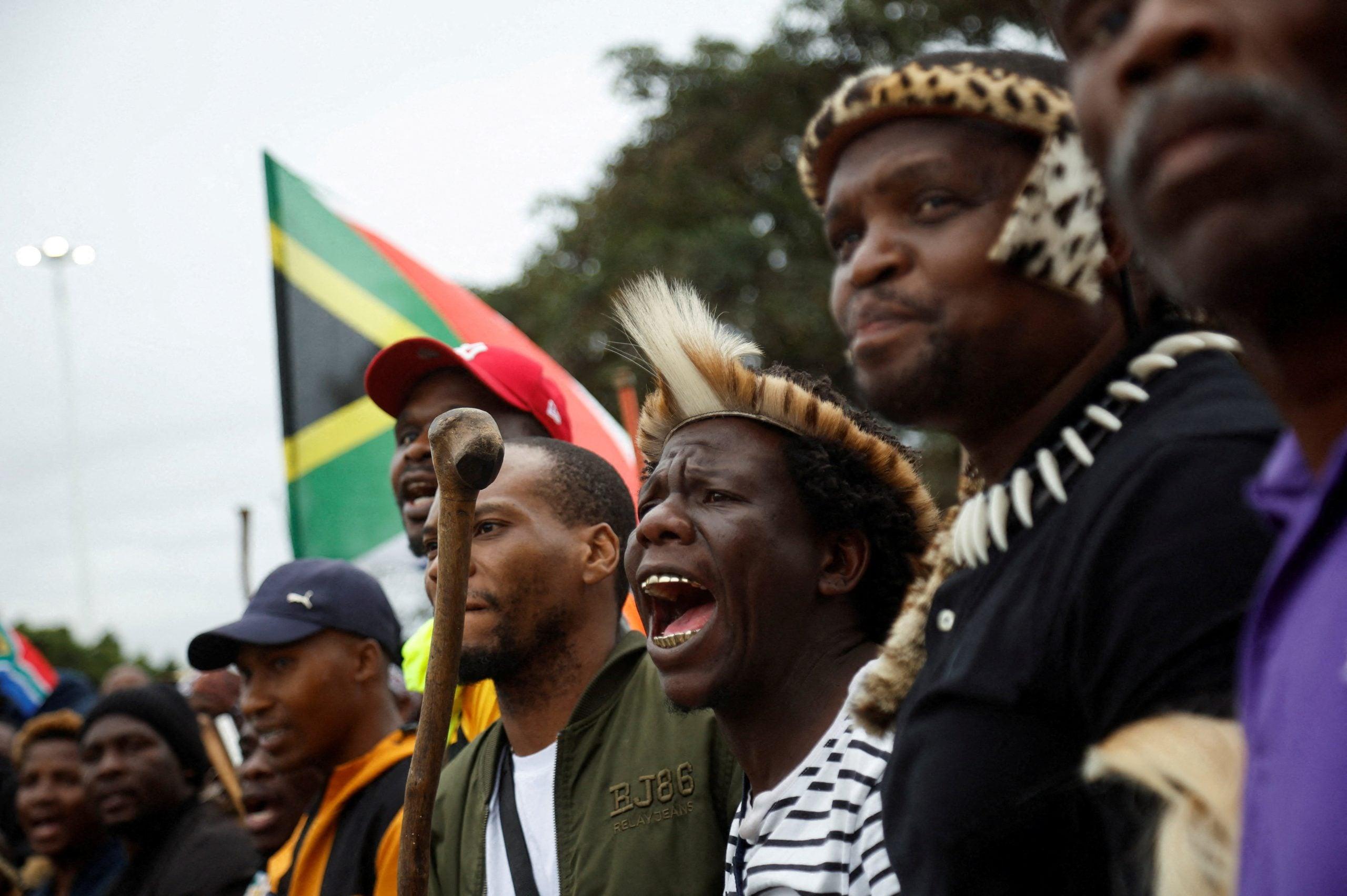
The reaction moved fast. A petition calling for Tyla to be barred from entering Nigeria until South Africa's xenophobic attacks stop gathered thousands of signatures within days. Nigerian media personalities and activists, including Martins Otse (known as VeryDarkMan) and OAP Do2dtun, publicly urged fans to boycott the show, with Do2dtun going as far as calling on Nigeria's immigration service to deny entry visas to Tyla and her team altogether.
Much of the anger was sharpened by a specific, recent loss: the death of Nigerian citizen Chika Ibeh in Cape Town, which many online cited directly when questioning whether a South African artist should be welcomed in Lagos while attacks on Nigerians continue. Opposition Senator Natasha Akpoti-Uduaghan invoked the principle of reciprocity in foreign policy, pointing to South Africa's past visa complications for Nigerian singer Ayra Starr as grounds for Nigeria to scrutinize Tyla's own entry.
Not everyone agreed with the boycott push. Former presidential candidate Omoyele Sowore argued on social media that no one should hold a talented musician vicariously liable for the crimes of xenophobia, insisting the anger belonged with political leaders in both countries, not with artists. Burna Boy's 2019 warning against pretending xenophobia isn't real also resurfaced during the debate, a reminder that this tension between Nigerian and South African entertainment has flared before — including the cancellation of the Africans Unite concerts featuring Burna Boy and Jidenna amid opposition and security concerns at the time.
Tyla isn't alone
She's not the only South African public figure facing scrutiny over silence on the anti-migrant protests. Comedian Trevor Noah also drew criticism after fronting a tourism advert for South Africa's Tourism Business Council, with critics asking why South African cultural figures were promoting the country abroad while migrants, including Nigerians, were being targeted at home.
The backlash cuts both ways, too. The removal of the Lagos date triggered angry responses from South African social media users, some of whom called for Nigerians in South Africa to be expelled entirely if the boycott campaign succeeded in keeping Tyla out of Lagos — a sign of how quickly a tour schedule change can escalate an already tense cross-border conversation.
Why it matters
This is a familiar pattern for anyone following Nigeria-South Africa relations: a diplomatic or security crisis eventually reaches entertainment, sport, or culture, and audiences are asked, implicitly or explicitly, to take sides. It happened with Ayra Starr's visa troubles in South Africa. It's happening now with Tyla in Nigeria. And it raises a genuine question with no easy answer: should artists be expected to speak out on their home country's politics, or is it fair to keep culture and diplomacy separate, even when the underlying violence is real and ongoing?
For now, Tyla's African leg of the A*POP World Tour is down to two stops — Cape Town and Johannesburg — with Lagos conspicuously absent, and no official word from her camp on whether that's permanent.

Leave a comment
Your email address will not be published. Required fields are marked *