

Diabetes is becoming an increasingly significant health challenge worldwide, affecting hundreds of millions of people and placing growing pressure on healthcare systems.
According to the International Diabetes Federation’s (IDF) 2025 Diabetes Atlas, an estimated 589 million adults aged 20–79 were living with diabetes in 2024. That is approximately one in nine adults in this age group. The figure is projected to reach about 853 million by 2050 if current trends continue.
The figures highlight a global challenge that extends beyond individual health. Diabetes can lead to serious complications, including heart disease, kidney problems, vision loss and nerve damage, particularly when it is not diagnosed or properly managed.
Millions of People May Not Know They Have Diabetes

One of the major concerns is that many people are living with diabetes without knowing it.
The IDF estimates that approximately 252 million adults with diabetes were undiagnosed in 2024, representing about 43% of adults living with the condition. Many may only discover they have diabetes after complications have developed.
This makes awareness and access to testing important parts of the global response. Diabetes can develop gradually, and some people with type 2 diabetes may experience few noticeable symptoms in its early stages.
Why Is Diabetes Increasing Worldwide?
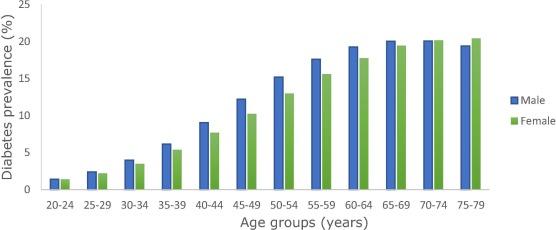
There is no single explanation for the rise in diabetes. Several factors contribute to the growing number of cases.
1. Changes in Diet and Daily Habits
Changes in food environments and eating patterns can affect the risk of developing type 2 diabetes. Diets high in added sugars and calories, combined with low levels of physical activity, can contribute to weight gain and increase risk.
However, diabetes is not simply the result of eating one particular food. Genetics, age, family history, environment and other health factors also play a role.
2. Less Physical Activity
Many people spend more time sitting because of changes in work, transport and entertainment. Regular physical activity helps the body use insulin more effectively and supports overall health.
The World Health Organization identifies healthy eating and regular physical activity as measures that can help prevent or delay type 2 diabetes.
3. Ageing Populations
The risk of type 2 diabetes generally increases with age. As populations grow and people live longer, the number of people at risk can also increase.
The IDF estimates that one in four adults living with diabetes is over the age of 65.
4. Unequal Access to Healthcare
Diabetes is a worldwide issue, but its impact is not evenly distributed. The IDF estimates that 81% of adults with diabetes live in low- and middle-income countries.
Access to screening, healthcare professionals, medicines and ongoing treatment can vary significantly between countries and communities. These gaps can make early diagnosis and long-term management more difficult.
Diabetes Is More Than a Blood Sugar Problem
Diabetes occurs when the body cannot produce enough insulin or cannot use insulin effectively. Insulin helps regulate the amount of glucose in the blood.
When blood glucose remains too high over time, it can damage blood vessels and nerves. This may increase the risk of complications affecting the heart, kidneys, eyes and feet.
The WHO reports that diabetes can cause blindness, kidney failure, heart attacks, strokes and lower-limb complications. It also notes that treatment and regular care can help prevent or delay many complications.
The Financial Cost Is Also Growing
The impact of diabetes extends to households, health services and national economies.
The IDF estimates that diabetes-related health expenditure reached approximately US$1.015 trillion in 2024. This includes spending associated with diabetes care and represents a substantial global healthcare cost.
For individuals and families, the cost of testing, medication, appointments and managing complications can create additional financial pressure, particularly where healthcare coverage is limited.
Can the Global Rise in Diabetes Be Slowed?

Health organisations point to several measures that can help reduce the risk of type 2 diabetes and improve outcomes for people already living with the condition.
These include:
- Making healthy food choices and maintaining a balanced diet.
- Taking part in regular physical activity.
- Avoiding tobacco.
- Accessing diabetes screening when recommended by a healthcare professional.
- Following medical advice and attending regular check-ups if diagnosed.
- Improving access to affordable medicines and diabetes care.
These measures do not guarantee that a person will never develop diabetes. Type 1 diabetes, for example, is a different condition and is not caused by lifestyle choices. People concerned about their health should speak with a qualified healthcare professional rather than relying on symptoms or online information alone.
What the Latest Figures Mean for the World
The latest estimates show that diabetes is not only a medical issue but also a challenge involving public health, healthcare access and economic resources.
With 589 million adults estimated to be living with diabetes in 2024, and projections pointing to 853 million by 2050, early detection and access to long-term care will remain important priorities.
The large number of undiagnosed cases also highlights the need to make screening and reliable health information more accessible.