Across Africa, governments are pushing through sweeping economic reforms—subsidy removals, currency devaluations, and IMF-backed policies—insisting the pain is necessary for long-term stability. But for millions of citizens, the question is becoming unavoidable: are these reforms or economic punishment?
Leaders argue that years of mismanagement left no alternative. They say tough decisions are required to stabilize currencies, attract investment, and prevent economic collapse. International lenders echo this view, framing reforms as the only path to sustainable growth.
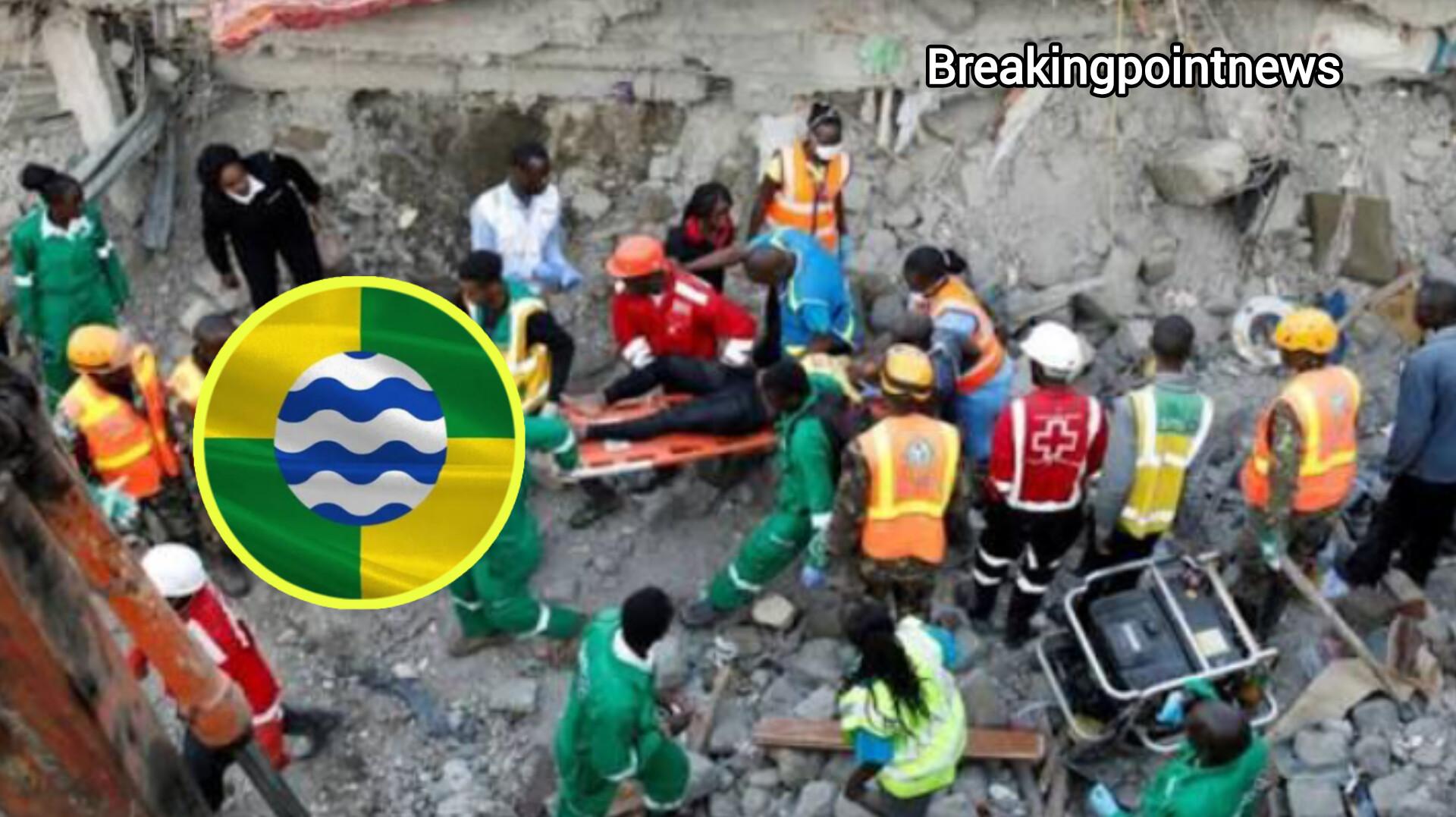
On the streets, however, reality looks very different. Rising fuel prices, soaring food costs, shrinking wages, and weakened social services have pushed many households to the brink. Critics say the burden of reform is unevenly shared, with ordinary citizens paying the price while political elites remain insulated.
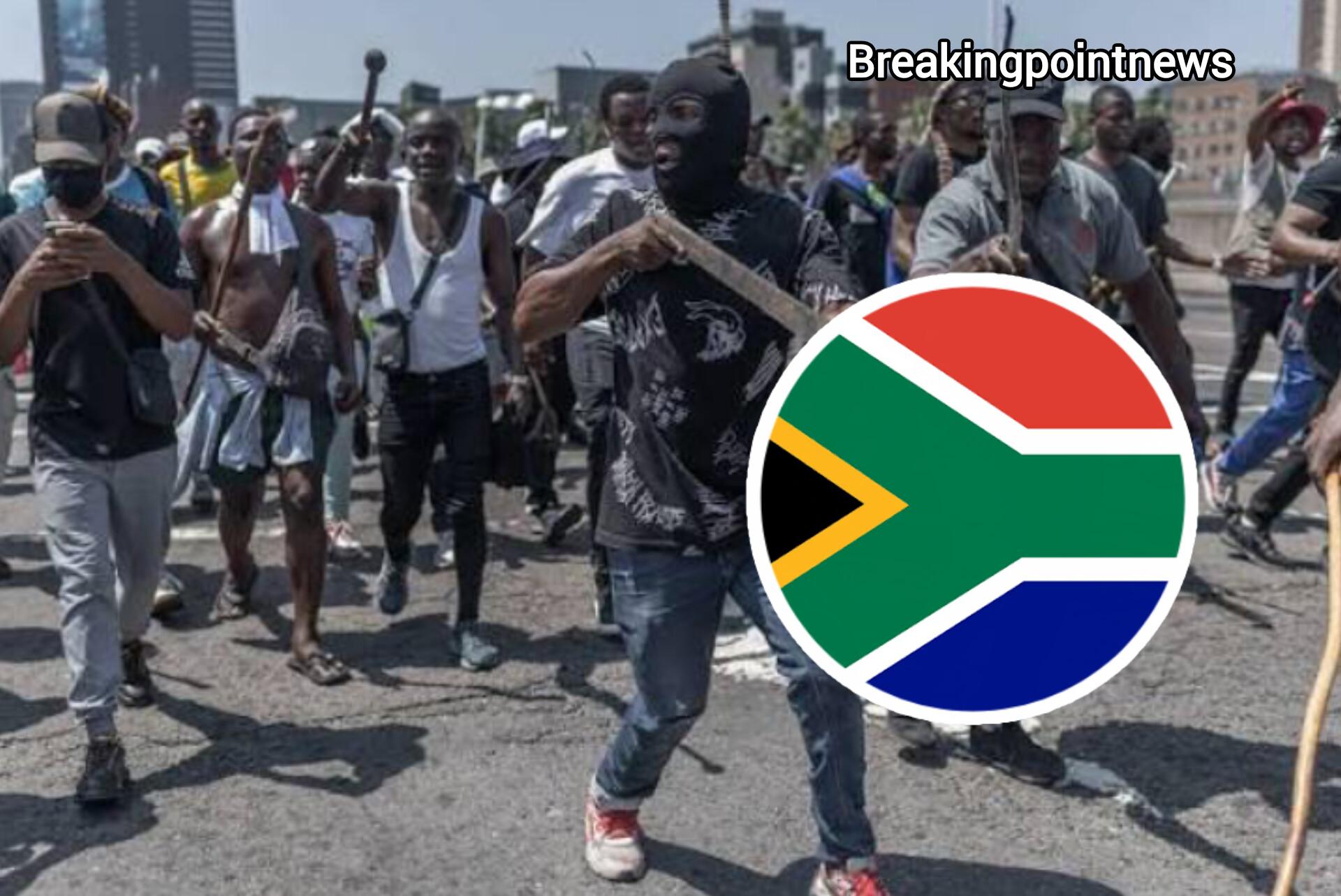
Labour unions and civil society groups warn that reforms imposed without strong social protection risk fueling unrest and deepening inequality. They argue that economic healing should not come at the cost of dignity and survival.
The debate now dividing Africa is stark: How much suffering is acceptable in the name of reform?
Until governments can show clear benefits — not just promises — many Africans will continue to see “reform” as punishment disguised in economic language.
BreakingPoint News—spotlighting the real cost of policy decisions.

Leave a comment
Your email address will not be published. Required fields are marked *