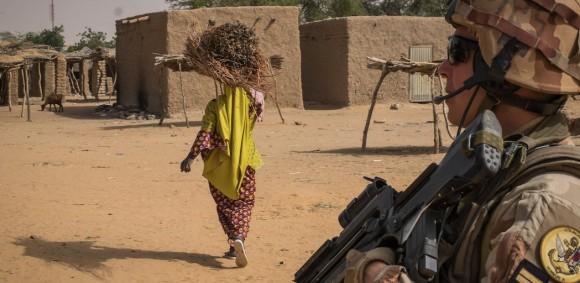
Across Africa, the growing presence of foreign military bases has reignited an old and uncomfortable debate: are these forces in Africa to provide protection—or do they represent a new form of occupation?
Countries such as the United States, France, China, and Russia maintain military facilities or security agreements across the continent, often justified as partnerships to combat terrorism, piracy, and regional instability. Supporters argue that African states benefit from advanced intelligence, training, and logistical support that strengthen local security forces.
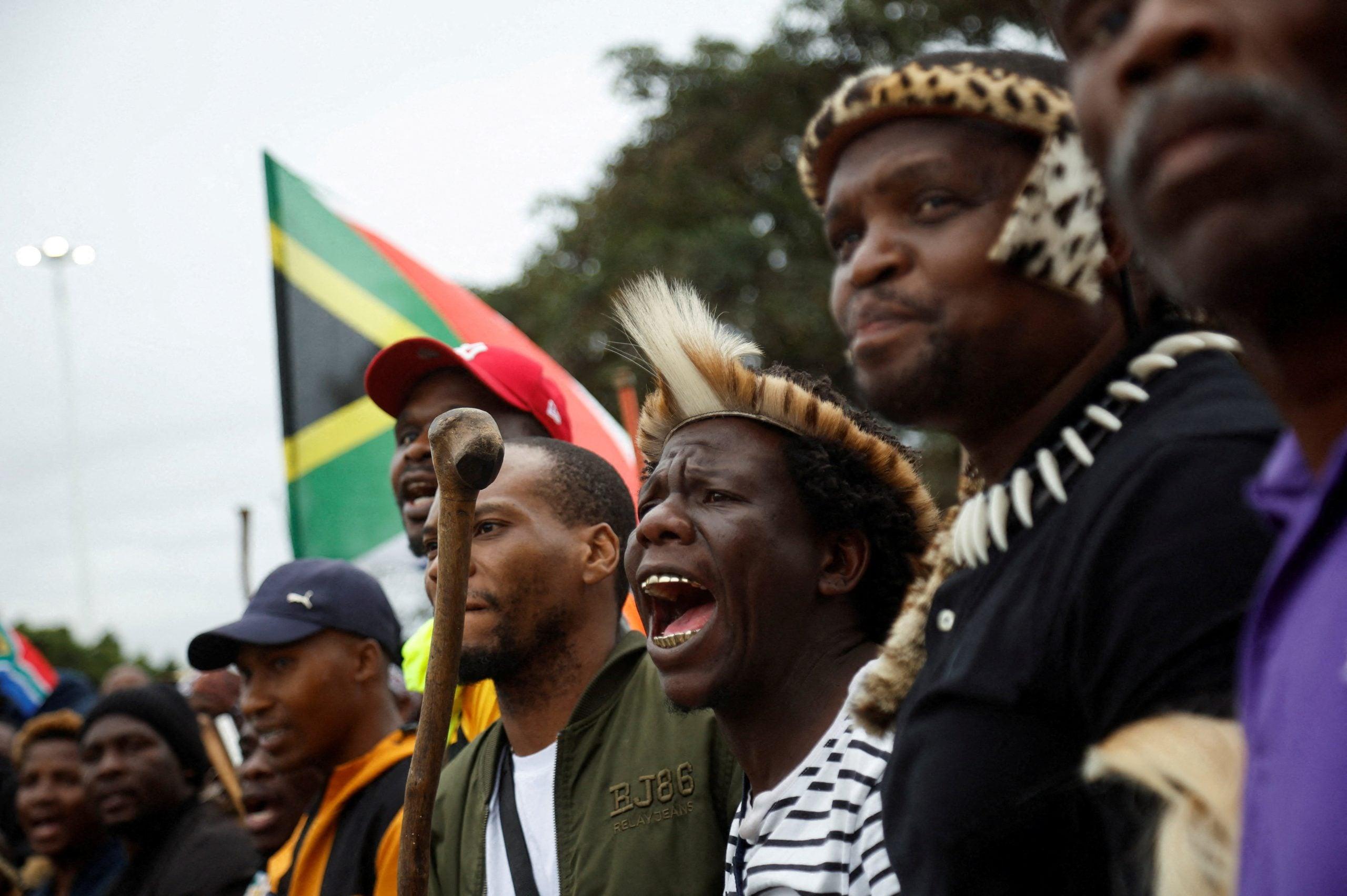
Yet critics see a different picture. They argue that foreign bases undermine sovereignty, entrench external influence, and sometimes worsen insecurity by turning host nations into strategic battlegrounds for global powers. In the Sahel, growing public resentment toward foreign troops has already led to expulsions and mass protests.
There are also concerns about accountability. Incidents involving civilian harm, opaque agreements, and long-term military presence without public consent have fueled suspicion among local populations.
The question is not whether Africa needs security support, but on whose terms.
As global competition intensifies, African governments face a difficult choice: accept foreign protection at the risk of dependency or build independent security capacity while navigating immediate threats.
For many Africans, the answer will define whether foreign soldiers are seen as allies—or occupiers.
BreakingPoint News—examining power, security, and sovereignty.

Leave a comment
Your email address will not be published. Required fields are marked *