
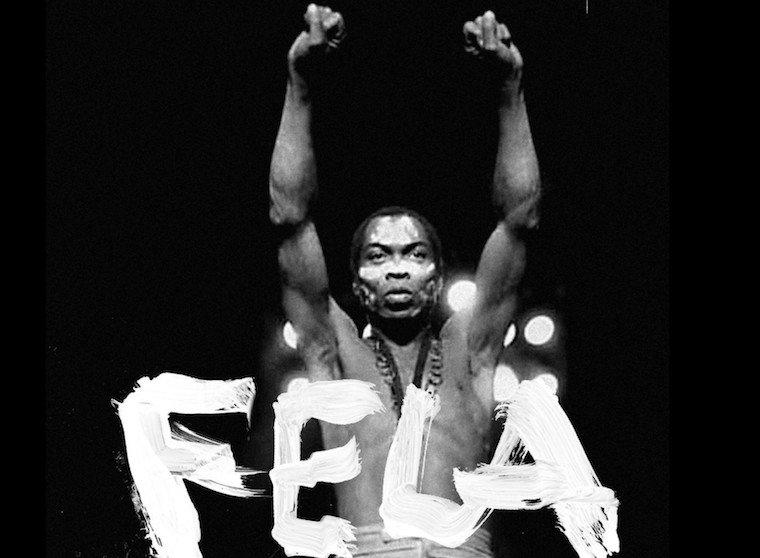
Few debates ignite African music fans like this one: Was Fela Kuti deeper than today’s Afrobeats stars—or has modern Afrobeats simply evolved beyond protest?
As Afrobeats dominates global charts, sells out arenas, and powers billion-dollar industries, many critics still ask a provocative question:
Where is the rebellion?
🎷 Fela Kuti: Music as Resistance
For Fela Anikulapo Kuti, music was never just entertainment—it was warfare.
Fela used Afrobeat to attack military dictators, expose corruption, ridicule police brutality, and challenge colonial mentality. His songs were long, raw, uncomfortable, and political. He named names. He took risks. He paid the price.
- Arrested over 200 times
- Beaten, jailed, and silenced repeatedly
- His home was destroyed by the state
- His mother died following a military attack
Yet he never softened his message.
Fela didn’t chase radio play, global validation, or commercial appeal. His audience was the people, and his goal was truth, no matter the cost.
🎧 Modern Afrobeats: Global Sound, Global Money
Today’s Afrobeats is a different beast.
Artists like Wizkid, Burna Boy, Davido, Rema, Asake, Ayra Starr, and others have turned African music into a global export. Afrobeats now dominates charts in London, New York, Paris, and beyond.
Modern Afrobeats is:
- Shorter, catchier, and radio-friendly
- Built for streaming, clubs, and festivals
- Focused on love, lifestyle, wealth, escape, and vibes
To many fans, this is progress—proof that African music no longer needs to suffer to be heard.
But to critics, it feels like something has been lost.
🔥 The Big Question: Where Is the Protest?
Fela sang about:
- Police brutality
- Corrupt leaders
- Poverty and inequality
- Western exploitation of Africa
Modern Afrobeats largely avoids politics — with a few exceptions.
Burna Boy is often cited as the closest modern parallel, especially with songs addressing colonialism, African identity, and injustice. But even Burna operates within a global commercial system that Fela openly rejected.
Some argue:
“Today’s artists are too comfortable to be confrontational.”
Others counter:
“Fela lived in a different era — today’s battles require different strategies.”
⚖️ Impact vs Reach
| Fela Kuti | Modern Afrobeats |
|---|---|
| Changed political consciousness | Changed global perception of African music |
| Faced state violence | Faces corporate pressure |
| Music as activism | Music as industry |
| Local struggle, global cult | Global success, local silence (critics argue) |
One fought power directly.
The other conquered the world quietly.
🧠 Is the Comparison Even Fair?
Some say comparing Fela to modern Afrobeats is unfair.
Fela operated under military rule, censorship, and repression. Today’s artists face contracts, brands, streaming algorithms, and international audiences. Speaking out can mean losing sponsorships, visas, or careers.
Still, fans ask:
If African artists have more power than ever, why is the message softer than ever?
🗣️ Final Take: Evolution or Retreat?
Fela made music to wake people up. Modern Afrobeats makes music to make people feel good. Neither is automatically wrong.
But the debate remains:
👉 Has Afrobeats matured—or become safe?
👉 Is silence strategic — or comfortable?
👉 Would Fela approve of today’s stars—or challenge them?
One thing is certain: Fela would have had something to say.
And that’s why this debate refuses to die.

Leave a comment
Your email address will not be published. Required fields are marked *