Escalating conflict in the Middle East involving Iran has triggered volatility in global energy markets. Because the region plays a central role in global oil supply — especially through the Strait of Hormuz — even the threat of disruption can push crude prices sharply higher.
For Africa, the consequences are not uniform. Oil-exporting nations may benefit from higher revenues, while oil-importing economies face rising fuel costs and inflation.
Below are specific country examples:
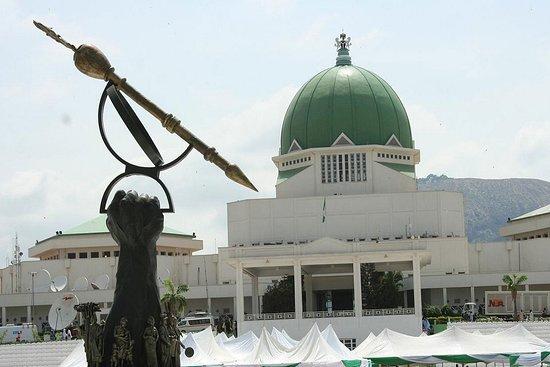
🇳🇬 Nigeria: Revenue Gains, But Higher Pump Prices
Nigeria is Africa’s largest oil producer.
Potential Benefits:
- Higher global crude prices increase government export earnings.
- Improved foreign exchange inflows could strengthen reserves.
- Oil companies may see increased profits.
Major Challenge:
Nigeria imports a large share of its refined petroleum products. If Brent crude rises toward $90–$100 per barrel:
- Petrol and diesel prices could rise.
- Transportation and food prices may increase.
- Inflationary pressure could worsen cost-of-living challenges.
So while the government may earn more from crude exports, consumers often feel the pain at the pump.
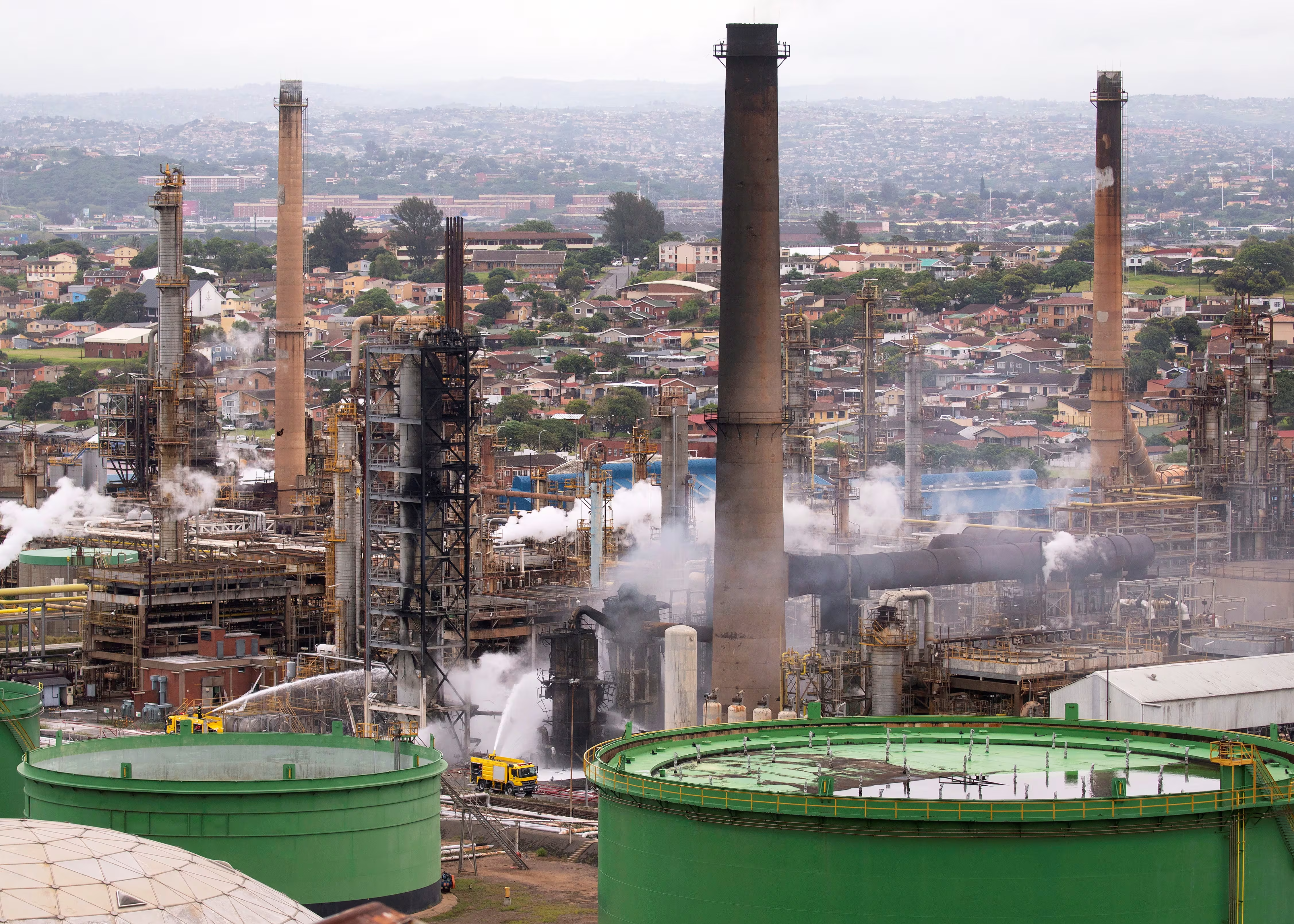
🇿🇦 South Africa: Higher Fuel Costs and Inflation Risks
South Africa imports most of its crude oil.
Likely Impact:
- Fuel prices would rise quickly because local prices are adjusted based on international benchmarks.
- Transport costs increase.
- Food and goods become more expensive.
- The rand may weaken if investors move toward safer assets.
South Africa’s economy is highly sensitive to oil price spikes, making prolonged Middle East conflict particularly risky.
🇰🇪 Kenya: Direct Consumer Impact
Kenya is a net oil importer.
Possible Effects:
- Increased fuel import bills.
- Pressure on government fuel subsidy programs.
- Higher electricity generation costs (where fuel-based plants are used).
- Rising public transport fares.
Because fuel directly affects transportation, food distribution, and electricity, Kenyan households could experience noticeable price increases if global oil remains elevated.
🇦🇴 Angola: Short-Term Gains, Long-Term Questions
Angola is one of Africa’s major crude exporters.
Impact:
- Higher oil prices boost export revenue.
- Government budgets may improve.
- Currency stability could strengthen in the short term.
However, reliance on oil revenue makes Angola vulnerable if prices later fall once tensions ease.
Wider Economic Implications for Africa
If war involving Iran continues:
- Shipping through the Strait of Hormuz could be disrupted, tightening global supply.
- Insurance costs for oil tankers may rise, adding to fuel prices.
- African central banks may face pressure to raise interest rates to control inflation.
- Economic growth could slow in oil-importing nations.
Conclusion
A war involving Iran would likely keep global oil prices elevated. For Africa:
- Oil exporters (like Nigeria and Angola) may gain higher revenues.
- Oil importers (like South Africa and Kenya) would likely face rising fuel costs and inflation.
- Consumers across the continent could feel the impact through higher transport and food prices.
The overall outcome depends on how long the conflict lasts and whether key global oil supply routes remain open.

Leave a comment
Your email address will not be published. Required fields are marked *