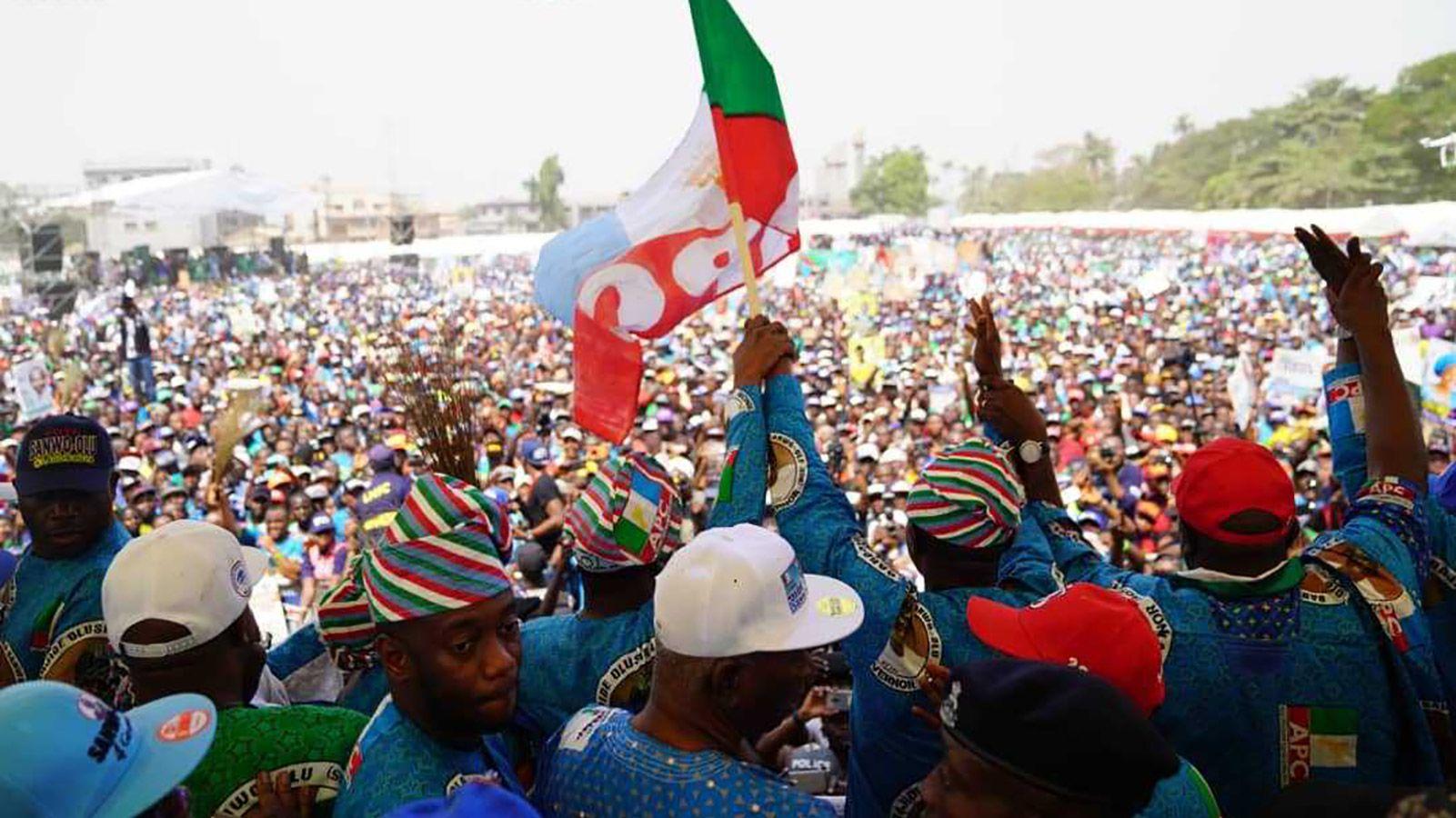
Nigeria has never been a simple country to understand. It is loud, energetic, hopeful, and deeply complicated at the same time. More than 220 million people live here, speaking hundreds of languages and carrying different histories, dreams, and frustrations. Yet every four years, the country pauses and asks a shared question about its future. Where are we going?
That moment is approaching again. The Nigerian presidential election in 2027 is already shaping up to be one of the most consequential elections in the country’s modern political history. But to understand why it matters, you must look beyond party slogans and campaign speeches. The real story of the 2027 election is about trust, survival, and the future of Africa’s largest democracy.
Why the 2027 Election Feels Different
Many Nigerians say they feel tired. Not just politically tired, but emotionally tired. They are tired of rising prices, unstable electricity, insecurity, and the constant feeling that the country moves forward and backward at the same time.
A young graduate in Abuja recently described it in a way that captures the mood of many voters. He said that every election promises change, but life keeps getting harder. Food costs more. Rent costs more. Transportation costs more. Yet salaries often stay the same.
Inflation has placed enormous pressure on households across the country, especially when it comes to food prices. Families who once planned their budgets with confidence now find themselves making difficult choices between transportation, school fees, and basic groceries.
These everyday struggles are turning the 2027 election into something deeper than a political contest. For millions of Nigerians, it has become a referendum on whether the system can still work for ordinary people.
The Youth Factor Could Decide Everything
Nigeria is one of the youngest countries in the world. The average age is around eighteen years old. This means tens of millions of voters will either cast their ballots for the first time or enter their most politically active years.
Young Nigerians are also more connected than any generation before them. Social media has become a powerful space where political debates, activism, and frustration meet.
Many observers believe the youth vote could become the most powerful force in the 2027 election. Young voters are asking sharper questions about unemployment, education, and the rising cost of living. They also want leaders who speak honestly about the country’s challenges.
Political messaging that worked decades ago no longer feels convincing to a generation raised with access to global information. For political leaders, the challenge is clear. If they want the youth vote, they must prove they understand the reality young Nigerians experience every day.
Security Is Still the Elephant in the Room
No discussion about Nigeria’s future can avoid the issue of security. Across different parts of the country, communities continue to face threats from banditry, kidnapping, insurgency, and violent clashes between armed groups. For families living in affected areas, security is not a distant policy debate. It is a daily question of survival.
Farmers wonder whether it is safe to return to their fields. Parents worry about the safety of their children travelling to school. Business owners worry about whether they can operate without fear.
When Nigerians walk into polling stations in 2027, many will carry a simple question in their minds. Who can truly make the country safer?
Security policy will almost certainly become one of the central battlegrounds of the election campaign.
The Economy and the Price of Hope
Nigeria’s economy remains full of potential. The country has one of the largest markets in Africa, a vibrant technology sector, and an entrepreneurial culture that continues to attract global attention.
Lagos has become a hub for startups, digital innovation, and creative industries. Nigerian music, film, and fashion influence global culture in powerful ways.
Yet economic potential does not always translate into stability for ordinary citizens. Many Nigerians feel that the opportunities exist but remain out of reach.
Small business owners often struggle with unreliable electricity, limited access to credit, and uncertain policy environments. Young professionals sometimes feel forced to search abroad for opportunities they cannot find at home.
This tension between potential and reality lies at the heart of the 2027 election. Voters are not only asking whether the economy can grow. They are asking whether growth will improve their everyday lives.
The Role of the Diaspora
Another powerful voice in Nigeria’s political future lives outside its borders. Millions of Nigerians live in the United Kingdom, the United States, Canada, and across Europe and Africa. These diaspora communities remain deeply connected through family ties, financial support, and political engagement.
Remittances from Nigerians abroad contribute billions of dollars to the economy each year. In many households this support helps pay school fees, build homes, and support small businesses.
Members of the diaspora are also increasingly vocal about governance, accountability, and democratic reforms. Even when they cannot vote directly in elections, their influence on national discussions continues to grow.
A Test for Nigerian Democracy
Since the end of military rule in 1999, Nigeria has built one of the longest continuous democratic periods in Africa. That achievement deserves recognition. However, democracy is not only about holding elections. It is also about whether citizens trust the system.
Voters want to believe that their votes will count, that institutions are fair, and that leaders will remain accountable long after campaign season ends.
The 2027 election will become an important test of that belief. If the process is transparent and credible, it could strengthen trust in democratic institutions. If not, it could deepen frustration among citizens who already feel disconnected from the political system.
What Nigerians Are Really Voting For
At its core, the 2027 election is not simply about who becomes president. It is about the kind of country Nigerians want to build in the coming decades. Some voters want stability above everything else. Others want bold reforms and new leadership. Many simply want a government that listens.
Across markets, universities, offices, and bus stations, one theme keeps appearing in conversations. Nigerians want dignity. They want to feel that their hard work can lead to a better life for their families. The election will become a moment when millions of individual hopes and fears meet in a single national decision.
The Bottom Line
Nigeria stands at a crossroads. One path leads toward renewed trust in institutions and a belief that progress is possible. The other path risks deeper cynicism and growing frustration among citizens who already feel stretched to their limits.
The 2027 election will not solve every problem overnight. No election ever does. But it will shape the direction of Africa’s most populous nation at a moment when the entire continent is watching. For many Nigerians, the question is simple, even if the answer is not. Will this election mark the beginning of a new chapter, or will it feel like another missed opportunity?
The world will be watching. More importantly, Nigerians themselves will be deciding.