
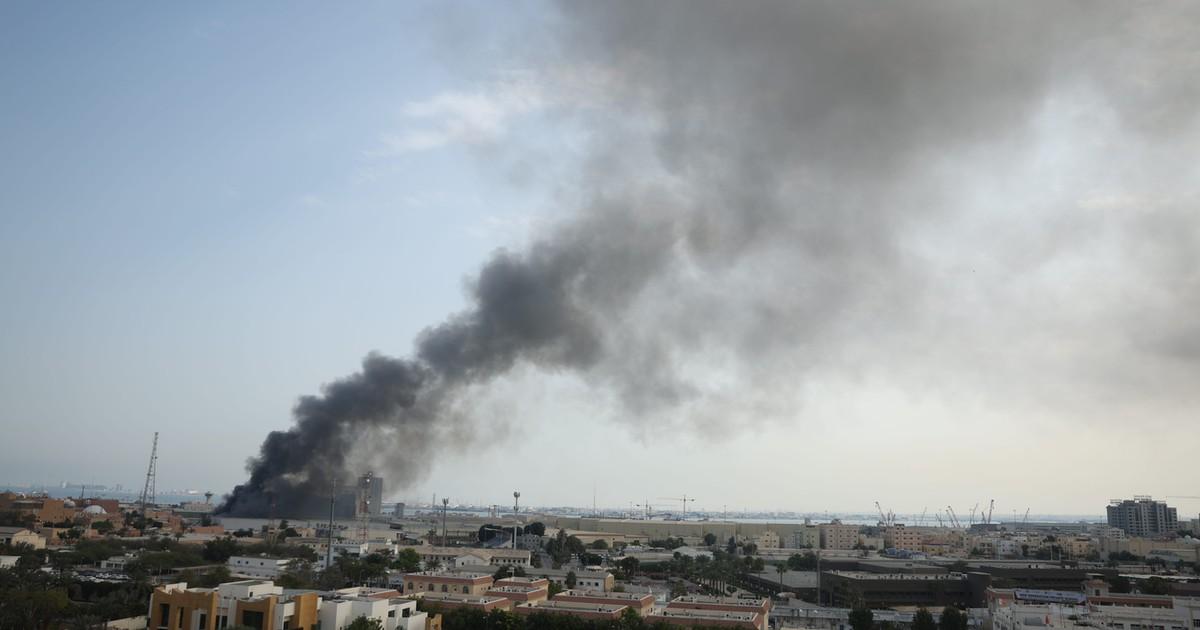
Leaders of the African Union (AU) are increasingly concerned that the escalating conflict between the United States , Israel , and Iran could trigger broad economic and security ripples across Africa — from rising fuel prices to weakened currencies and disrupted trade routes.
At a recent AU meeting, the union’s chairperson called for urgent de-escalation and dialogue among all parties, warning that continued hostilities “threaten to worsen global instability, with serious implications for energy markets, food security, and economic resilience in Africa.”
Economic Risks: Soaring Oil and Inflation
One of the most immediate effects is on global energy prices. The conflict has forced insurers to raise premiums and some shipping routes to detour, leading to oil prices surging past key levels, which directly affects African importers of fuel and refined petroleum products.
Many African nations depend heavily on imported fuel. When global crude climbs due to geopolitical uncertainty, domestic fuel prices rise, pushing up costs for transportation, food supply chains, and industrial production. This feeds into inflation — something AU policymakers fear could slow growth and hurt households across the continent.
For example, economic strains from the conflict have contributed to the depreciation of the South African rand, as investors moved assets into perceived safety, exposing how emerging markets are vulnerable to external shocks.
Trade and Supply Chain Disruptions
The AU also warns that continued hostilities could disrupt global supply chains that many African economies rely on:
- Shipping delays through the Red Sea and Suez Canal — key arteries for African imports and exports — could increase costs and delivery times.
- Airspace closures have already led to flight cancellations that affect travel and tourism sectors.
This is particularly concerning for regional blocs like the Economic Community of West African States (ECOWAS), which has also issued calls for restraint, noting that prolonged conflict threatens energy prices, supply chains, and food security.
Security and Diplomatic Challenges
Beyond economics, the AU acknowledges that the conflict adds to Africa’s existing security challenges. While the war is geographically distant, indirect effects include:
- Heightened tensions in strategic corridors, such as the Horn of Africa, where external powers often engage through military bases and alliances.
- Pressure on African diplomats to navigate competing relationships — balancing ties with Western powers while maintaining sovereignty and non-alignment principles.
Some AU members have already voiced concern publicly. The AU chair’s call for dialogue underscores a continental strategy of de-escalation and peaceful resolution, reflecting principles enshrined in AU treaties and the United Nations Charter.
What the AU Wants
African leaders are urging:
- A cessation of hostilities by all parties.
- Respect for international law.
- Increased efforts towards diplomacy — both to prevent spill-over effects and to safeguard African economies from prolonged instability.
The AU’s position reflects a broader desire among its members to see the conflict de-escalate quickly, with minimal disruption to energy supplies, trade flows, and economic stability.

Leave a comment
Your email address will not be published. Required fields are marked *