Nigeria and South Africa have agreed to work toward de-escalating months of tension over renewed xenophobic violence, following high-level talks in Abuja this week. But beneath the diplomatic language, the two countries remain far apart on the question diaspora communities care about most: whether victims will ever be compensated.
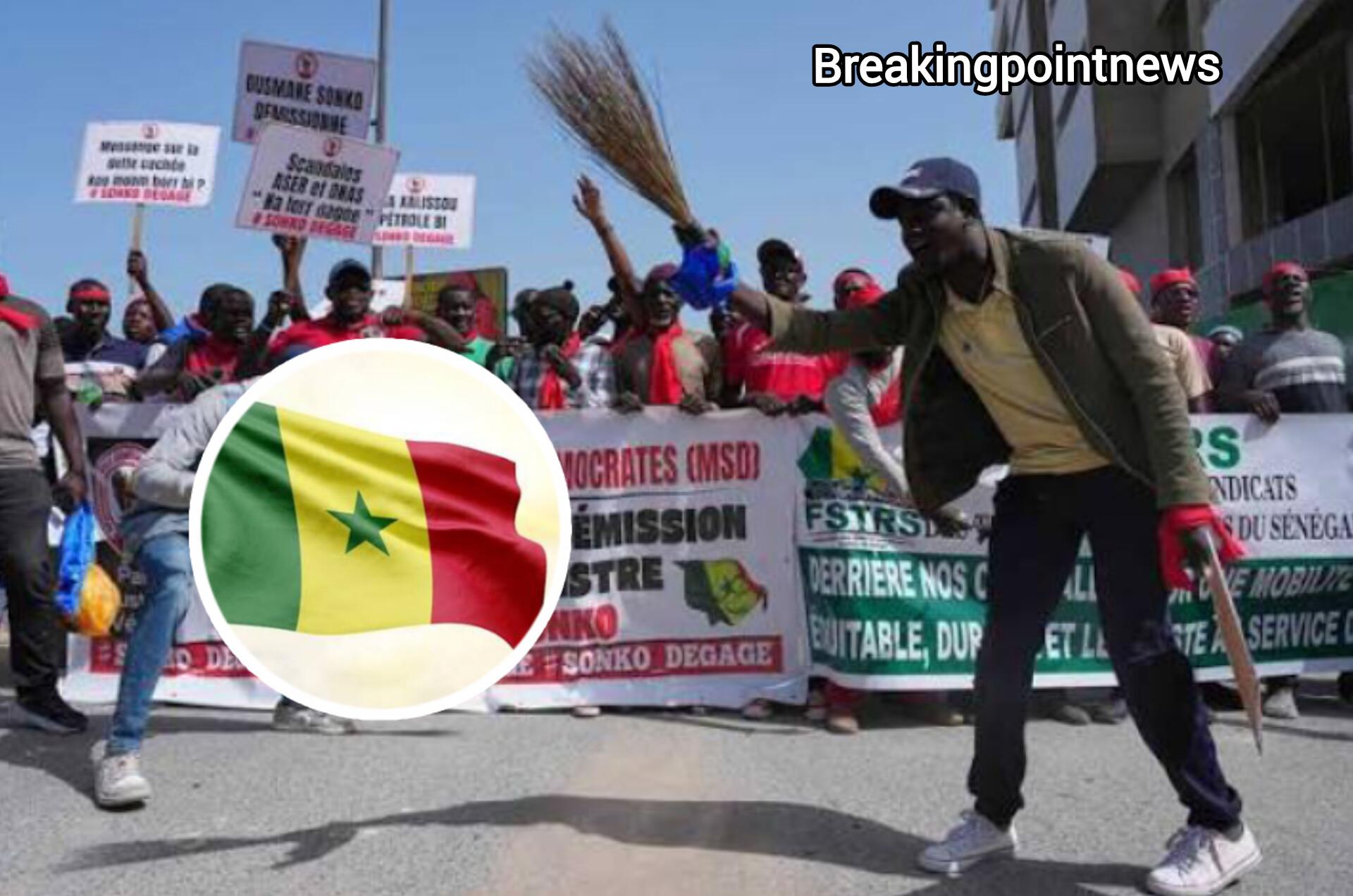
The commitments came out of a meeting on Monday between Nigeria's Minister of State for Foreign Affairs, Sola Enikanolaiye, and South Africa's Minister of International Relations and Cooperation, Ronald Lamola, who was representing President Cyril Ramaphosa. The talks were aimed squarely at calming a diplomatic rift that has been building since anti-immigrant protests swept several South African cities in June, with demonstrators demanding that undocumented migrants leave the country.
What South Africa has agreed to
According to Nigerian officials, Pretoria has pledged that those responsible for attacks on foreign nationals will be brought to justice. Lamola reiterated that his government condemns all forms of xenophobia and stressed that no one has the right to take the law into their own hands. He was careful to draw a line between the violence and the state itself, describing the unrest as neither state-sponsored nor condoned by the South African government.
Nigeria, for its part, is pushing for more than words. Enikanolaiye said Abuja wants a formal early warning system, a stronger police presence in areas where attacks are likely, and real accountability for perpetrators — not just prosecutorial promises.
The compensation standoff
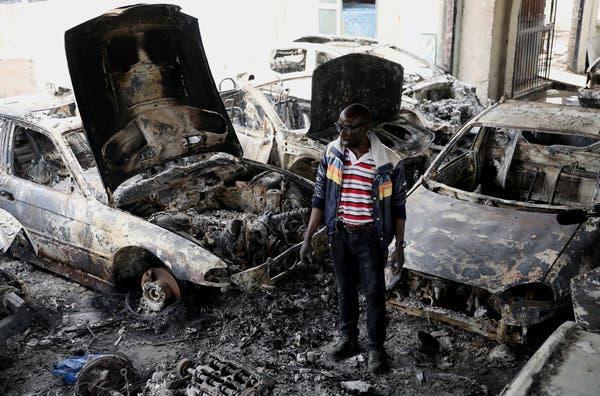
This is where the story gets complicated, and where it matters most for the families and business owners affected. Nigerian officials say they are compiling formal claims for property losses — burned shops, looted homes, abandoned inventory — that could form the basis of future compensation talks. Community leaders in Johannesburg and Durban estimate that hundreds of Nigerian-owned businesses, from spare parts outlets to salons and phone repair kiosks, were damaged or destroyed during the unrest.
But a South African minister has already pushed back publicly on the idea of compensation, a remark that reportedly reignited tension between the two governments even as this week's talks were meant to cool things down. Nigerian officials describe the compensation question as "a work in progress" and say any negotiation will be data-driven, built on documented and verifiable losses rather than broad claims.
The human toll behind the diplomacy
The numbers underline why this dispute keeps resurfacing. Abuja says at least 98 Nigerians have been killed in xenophobic and Afrophobic attacks in South Africa since 2022, and roughly 1,490 Nigerian citizens have been repatriated in the wake of the most recent unrest, according to Nigeria's foreign ministry. Nigerian officials have also raised concerns that South African police have, at times, failed to intervene during attacks.
Notably, President Bola Tinubu has reportedly pushed to reframe the narrative around these attacks, arguing that "Afrophobic" is a more accurate description than "xenophobic," since the violence has disproportionately targeted Black African migrants rather than foreigners broadly. Nigerian officials say Tinubu intends to use his personal relationship with Ramaphosa to pursue a lasting resolution.
Why this matters beyond Nigeria and South Africa
This isn't just a Nigeria-South Africa story. Ugandan nationals have also been repatriated from South Africa in recent weeks, pointing to a wider pattern of anti-migrant sentiment across the country that has periodically flared since at least the mid-1990s. For a diaspora audience, the underlying question is bigger than any one round of talks: whether Africa's two largest economies can manage a genuinely difficult migration and security relationship without it repeatedly boiling over into violence against ordinary people trying to work and build businesses abroad.
For now, both governments say diplomacy remains the preferred path. Nigerian officials have also signaled, however, that "all options" remain on the table if the current approach doesn't produce results.

Leave a comment
Your email address will not be published. Required fields are marked *