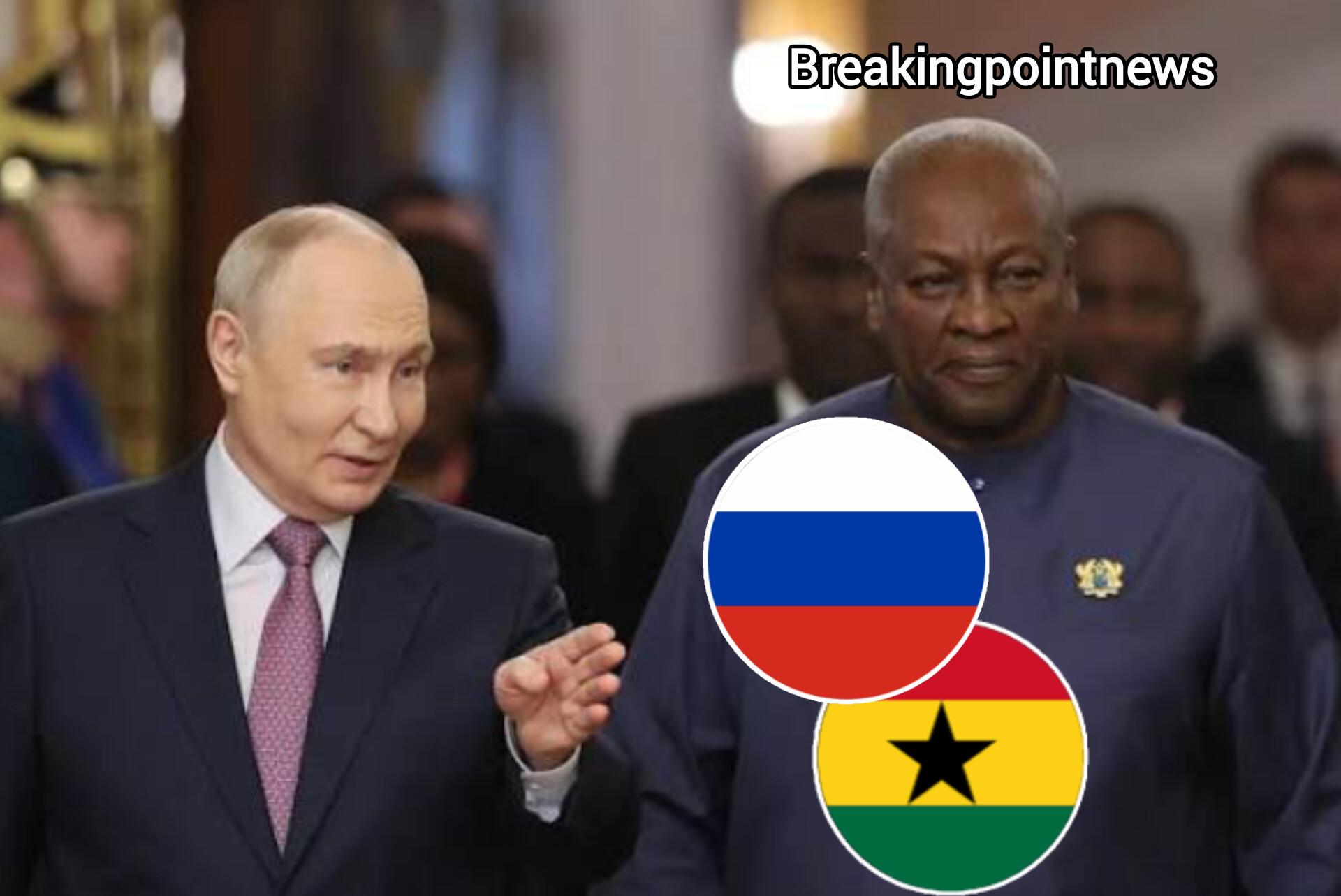
Russia has agreed to stop recruiting Ghanaian nationals to fight in Ukraine, Accra said in a statement.
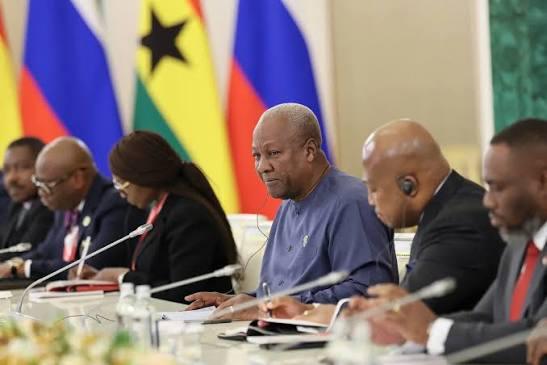
President Putin reportedly gave the assurance on the sidelines of last week's Russia-Africa summit in Moscow after his Ghanaian counterpart, John Mahama, raised the issue.
Ghana's Foreign Minister Samuel Okudzeto Ablakwa disclosed details of the talks on social media. According to his account, Putin stated plainly: “Ghanaians are no longer permitted to participate in the war in Ukraine. This applies across the board whether through irregular recruitment channels or individuals expressing a desire to volunteer.”
Ghana said last month that its citizens were being "tricked" into joining the Russian war effort and urged Moscow to do more to halt the practice. Ablakwa has said young Ghanaians were promised well-paid jobs, security positions or study opportunities in Russia only to be sent to the front line upon arrival.
The numbers are stark. As of mid-August, more than 270 Ghanaians had fought for Russia, at least 62 had been killed and 15 were missing. Earlier figures showed 202 Ghanaians recruited in 2025 alone, compared with 17 in 2023 and 53 in 2024 an exponential surge.
Several African countries including Kenya, South Africa, Nigeria, Cameroon and The Gambia have complained that their citizens were lured to fight under false promises of work or education. An estimated 1,500 African fighters are spread across Russian units, drawn from countries including Kenya, South Africa, Nigeria, Ghana and Tanzania.
Ukrainian officials last week reported that a Botswanan citizen recruited through social media was killed in Ukraine's Luhansk region.
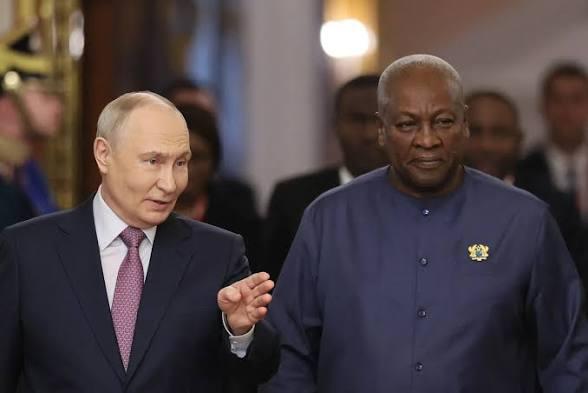
For Ghana, Putin's pledge is a diplomatic achievement. Mahama also secured several bilateral agreements during the summit, including cooperation on a 2,000-megawatt nuclear power plant, a new defence pact granting access to strategic military assets, more scholarships for Ghanaian students and the revival of a joint cooperation commission.
But for the 62 families who have lost loved ones, the ban comes too late. Ablakwa, who met Ukrainian officials in Kyiv, said Ghana "cannot afford to look away from these alarming statistics" and pledged to pursue and dismantle the illegal recruitment networks operating in the shadows.
The open question is enforcement. Recruitment chains are buried in grey areas, brokered by middlemen and subcontractors, while Russia's defence ministry has consistently denied involvement in illegal recruitment, insisting foreigners sign up "voluntarily." Putin's promise came with no enforcement mechanism or monitoring arrangement for a country that has already lost 62 citizens, it may be a start rather than an end.

Leave a comment
Your email address will not be published. Required fields are marked *