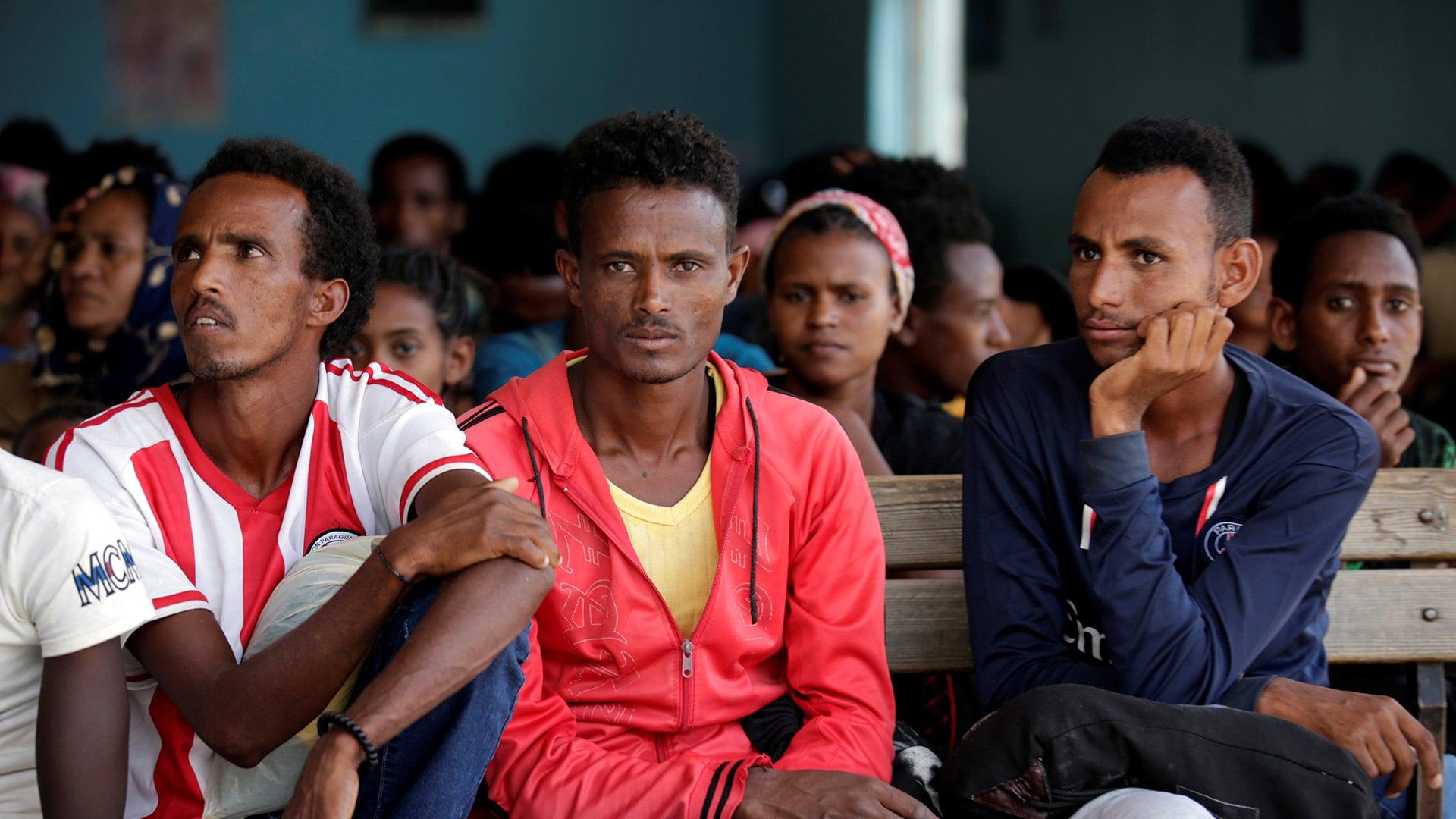
KAMPALA — In a controversial and far-reaching move, the Ugandan government has announced it will cease granting refugee status to individuals from Eritrea, Somalia, and Ethiopia. The decision—described by aid groups as “harsh and shortsighted”—is expected to leave thousands of asylum-seekers and vulnerable migrants without legal protection or access to essential services.
What the Decision Means
The new policy ends Uganda’s willingness to process or recognize new asylum applications from nationals of Eritrea, Somalia, and Ethiopia. For many, this means:
- No formal refugee status or legal documentation.
- Loss of government access- or NGO-provided services (food aid, shelter, education, medical support).
- Increased risk of being undocumented immigrants—exposed to legal precarity, exploitation, or forced return.
- Potential separation from family members still seeking refuge or residency elsewhere.
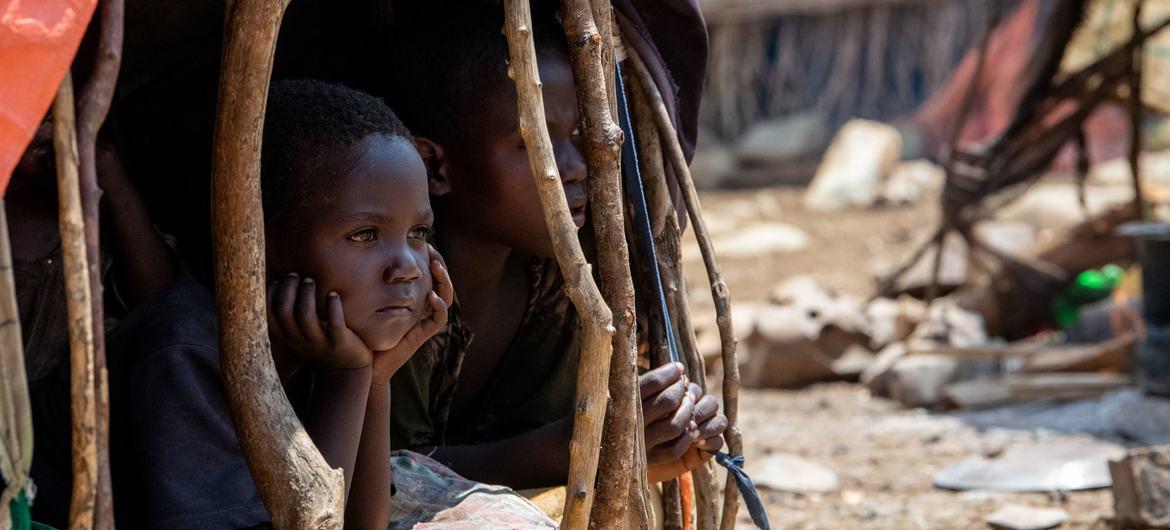
Advocates warn the move will particularly affect families, children, and individuals fleeing conflict, persecution, or humanitarian crises in their home nations.
Why Refugees Were Coming to Uganda
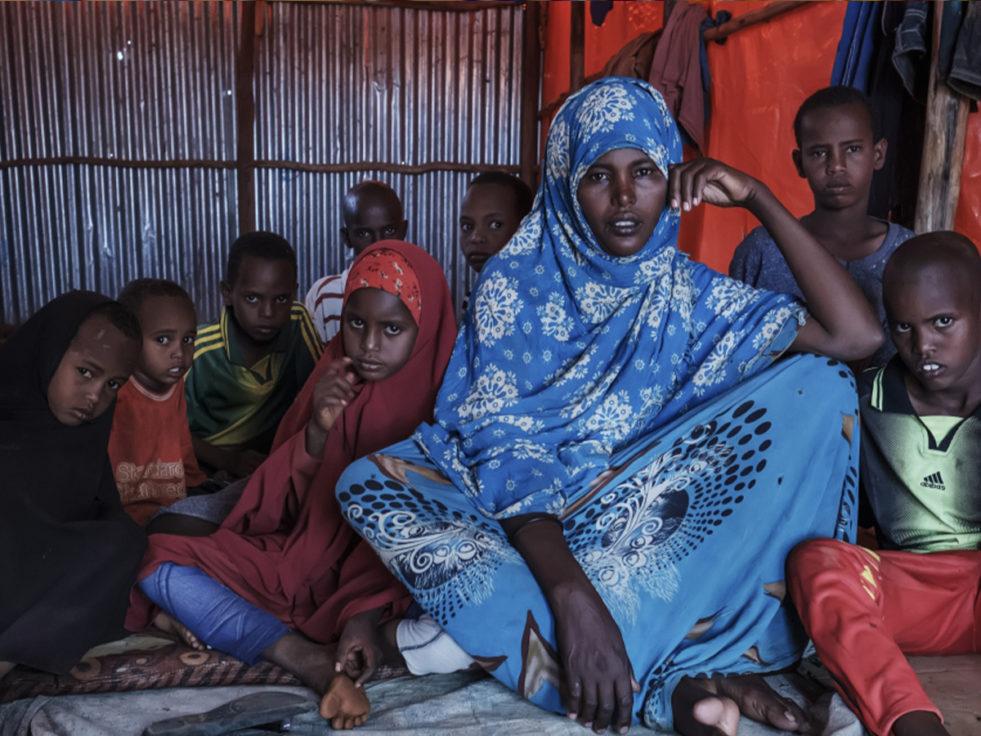
Over the past decades, Uganda has become one of Africa’s largest hosts of refugees—thanks to a generally open-door policy, relatively stable governance, and a reputation for hospitality. Many Eritreans, Somalis, and Ethiopians fled human rights abuses, political turmoil, economic collapse, or armed conflict.
For some, Uganda offered a chance at safety, stability, schooling, and a pathway to rebuilding their lives.
Reaction from Aid Groups and Civil Society
Humanitarian organizations have swiftly condemned the policy change. One aid worker described the decision as “turning our backs on the most vulnerable.” Observers warn that:
- Thousands may find themselves homeless or forced into informal settlements.
- Children could be denied schooling or access to basic health care.
- At-risk groups, including women and unaccompanied minors, may face increased exploitation or trafficking.
- The progress Uganda had made as a refuge for displaced people may be severely undermined.
Broader Implications for the Region
The policy shift in Uganda could reverberate across the Horn of Africa and East Africa region:
- Pressure may increase on neighbouring countries as refugees seek alternative safe havens.
- Instability and displacement could exacerbate regional humanitarian crises, especially in already fragile states.
- Trust in regional refugee-hosting policies may erode, discouraging future asylum-seekers from fleeing to safer zones.
What’s Next—Uncertain Future for Many
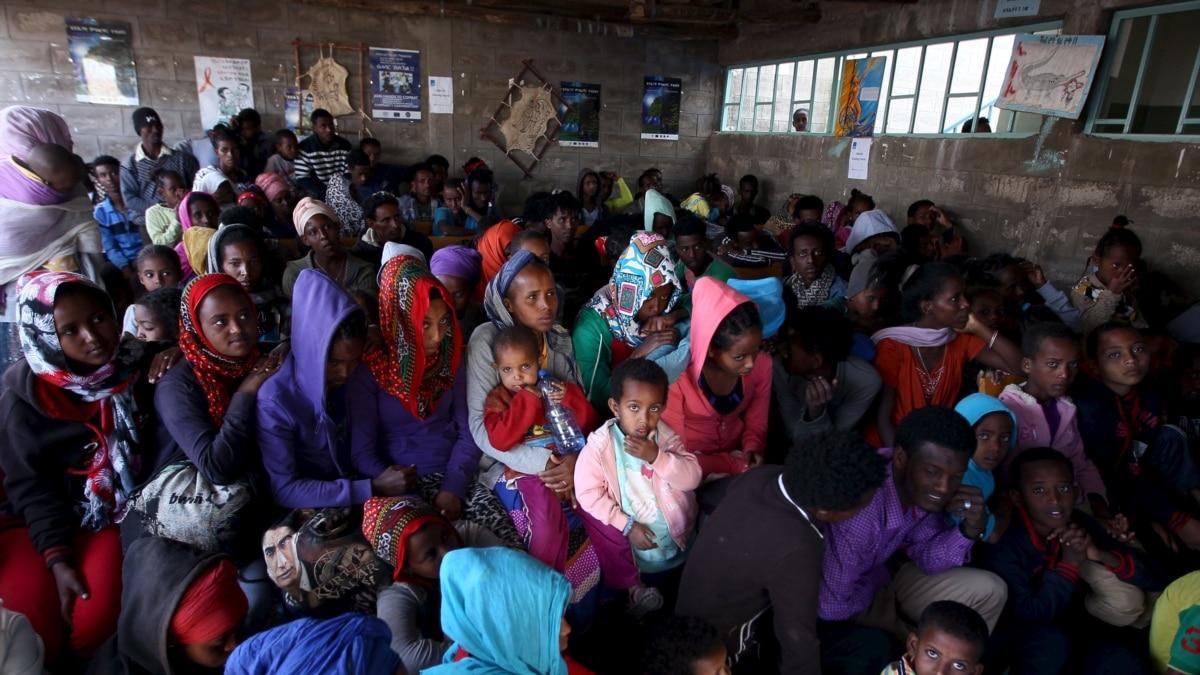
With refugee status no longer guaranteed, many displaced people now face stark choices: attempt risky onward migration, try to integrate informally (risking exploitation), or return home to uncertain or dangerous conditions.
Aid organizations are pushing for urgent diplomatic intervention, refugee resettlement programs, or at minimum temporary protective status—but no official mechanisms have yet been announced.
Why This Matters
This decision highlights an alarming shift in refugee protection policy in a region long considered a haven for displaced peoples. As conflicts, climate crises, and political instability continue to drive mass migrations across Africa, moves like Uganda’s endanger the safety and dignity of thousands who already fled trauma and abuse.
For international observers and human rights advocates, the change is a warning sign — that even countries once seen as havens may buckle under pressure, leaving the vulnerable with nowhere safe to go.

Leave a comment
Your email address will not be published. Required fields are marked *