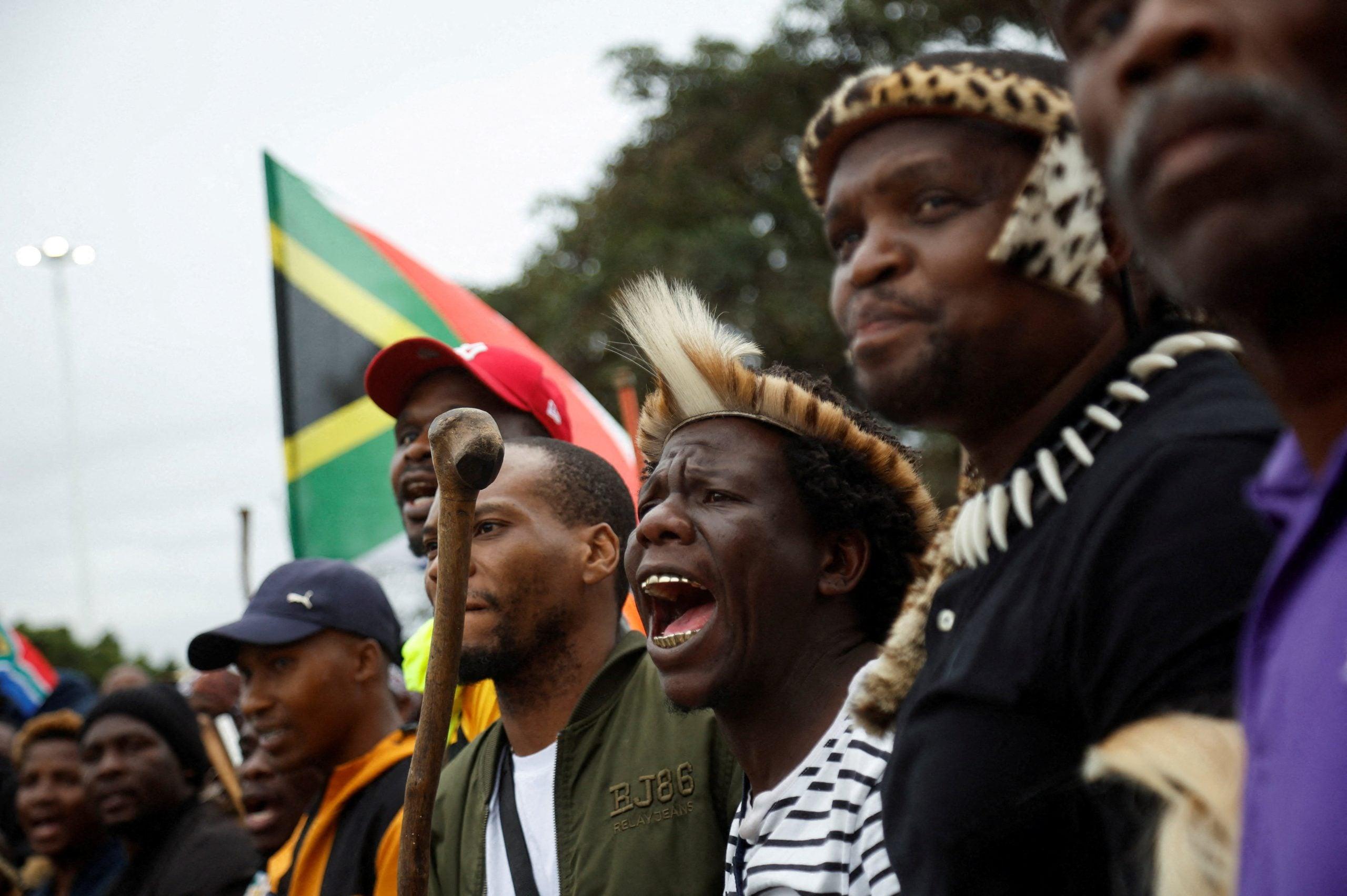

Across Africa, a quiet but consequential political shift is underway. From Lagos to Nairobi, Accra to Johannesburg, young people — who make up the majority of the continent’s population — are increasingly disengaged from traditional political parties. Voter turnout among youth is declining, party membership is aging, and political rallies are struggling to inspire a generation raised amid broken promises and economic uncertainty.
This is not political apathy. It is political disillusionment.
A Demographic Majority With Diminishing Faith
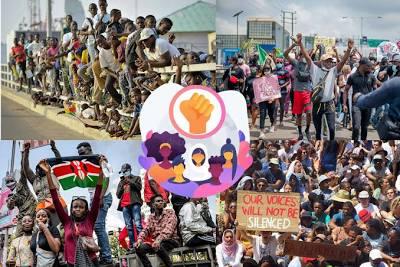
Africa is the youngest continent in the world. Over 60 percent of Africans are under the age of 25, yet political power remains concentrated in the hands of older elites who have dominated party structures for decades. Many ruling and opposition parties are led by figures whose political careers began before today’s youth were born.
For young Africans facing unemployment, rising living costs, climate vulnerability, and digital-era expectations, these parties increasingly feel out of touch and unresponsive.
“Young people don’t feel represented — they feel managed,” says one political analyst based in West Africa.
Broken Promises and Economic Reality
Election cycles across the continent follow a familiar pattern: promises of jobs, development, and reform — followed by years of stagnation. Youth unemployment remains stubbornly high in many countries, even as political elites benefit from patronage networks and state resources.
For many young voters, traditional parties have become synonymous with:
- Corruption scandals
- Nepotism and dynastic politics
- Empty campaign rhetoric
- Recycled leadership
The result is a growing belief that changing parties does not mean changing outcomes.
Parties as Gatekeepers, Not Platforms
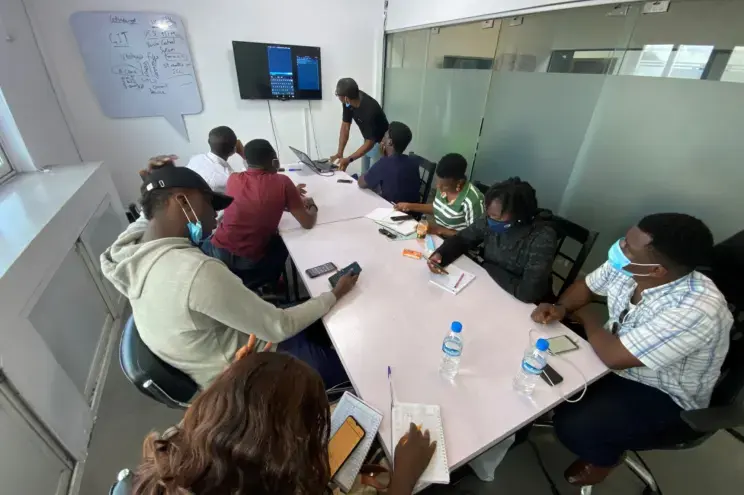
Traditional political parties often function as closed systems. Youth wings exist, but real decision-making power rarely flows downward. Party loyalty is rewarded more than innovation, and dissent is frequently punished.
Young activists complain that parties treat them as:
- Foot soldiers during campaigns
- Social media amplifiers
- Crowd-fillers at rallies
—but not as policy shapers or future leaders. This exclusion has pushed many politically conscious youth to look outside party politics altogether.
The Rise of Alternative Political Expression
Disengagement from parties does not mean disengagement from politics. Instead, African youth are reshaping political participation through:
- Social media activism
- Issue-based movements
- Street protests
- Independent candidates
- Community organizing
Movements like #EndSARS in Nigeria, #FeesMustFall in South Africa, and youth-led protests in Senegal and Kenya show that young people are deeply political — just not on traditional party terms.
Digital platforms have lowered the barriers to mobilization, allowing youth to bypass party hierarchies and speak directly to the public.
Distrust in Electoral Systems
In several countries, flawed elections, delayed results, and allegations of rigging have further eroded youth confidence. When electoral outcomes appear predetermined, voting begins to feel symbolic rather than transformative.
This fuels a dangerous feedback loop:
- Low trust leads to low turnout
- Low turnout strengthens entrenched elites
- Entrenched elites resist reform
What This Means for African Politics
The growing disconnect between youth and political parties has serious implications:
- Legitimacy crises for governments
- Weakening democratic participation
- Increased volatility and protest politics
- Opportunities for populism or authoritarianism
Yet it also presents an opportunity.
Parties willing to reform — by opening leadership pathways, addressing youth economic realities, and embracing transparency — could re-engage a generation hungry for meaningful change.
Not the End of Politics, But a Reckoning
African youth are not abandoning politics; they are rejecting a political system that no longer speaks to their lived reality.
Until traditional political parties confront this disconnect, the gap will continue to widen — and Africa’s political future will increasingly be shaped outside the structures meant to govern it.
What are your thoughts? Comment below

Leave a comment
Your email address will not be published. Required fields are marked *