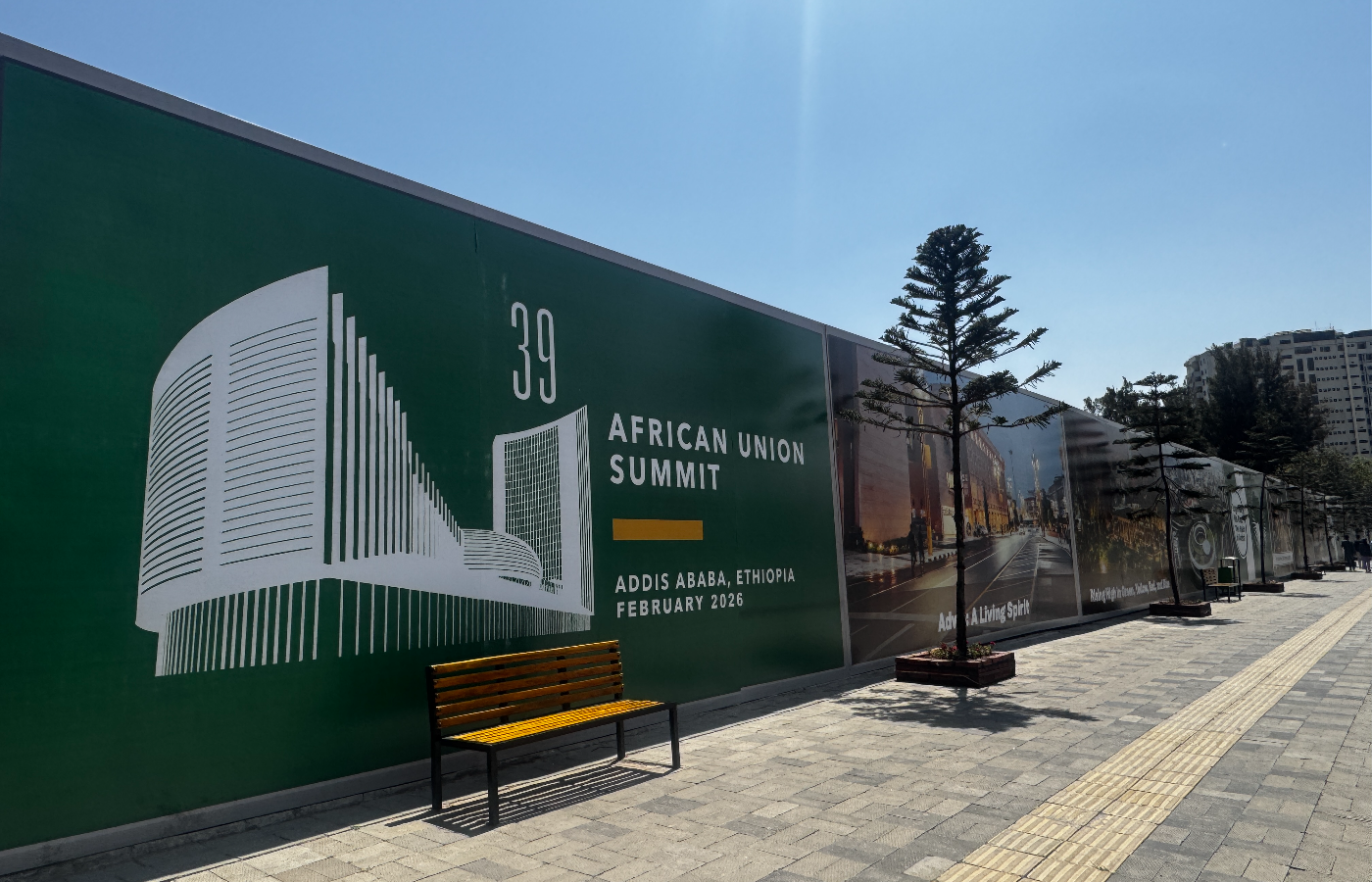
African heads of state and government converged in the Ethiopian capital for the 39th Ordinary Session of the African Union (AU) Summit, marking one of the continent’s most important political gatherings of the year. (au.int)
This annual summit brings together leaders from the 55 AU member states to tackle pressing issues affecting Africa — from security and governance to development and global influence. (au.int)
Water Security and Agenda 2063 Take Center Stage
Under the theme “Assuring Sustainable Water Availability and Safe Sanitation Systems to Achieve the Goals of Agenda 2063,” African leaders highlighted water scarcity, access to sanitation, climate resilience, and sustainable growth—issues that significantly impact the daily lives of millions of Africans. (au.int)
The focus reflects deep concern that climate shocks, droughts, and infrastructure gaps continue to undermine development, food security, and health outcomes across the continent.
New Leadership, New Priorities
At the summit’s opening, President Évariste Ndayishimiye of Burundi was formally elected Chairperson of the African Union for 2026, taking over from Angola’s João Lourenço. This leadership rotation will shape AU priorities throughout the year. (au.int)
Vice leaders from Ghana, Tanzania, and other regions also assumed key roles, positioning the AU to push for deeper integration and policy coordination.
Calls for Peace, Security and Reform
Summit deliberations stressed the need to end conflicts and “silence the guns” across Africa—from the troubled Sahel and eastern Democratic Republic of Congo to Sudan and Somalia. Leaders reinforced their stance against unconstitutional takeovers while calling for strengthened peace and conflict resolution mechanisms. (au.int)
United Nations Secretary-General António Guterres addressed the summit, calling for institutional reform and advocating for Africa to secure permanent seats on the UN Security Council, arguing that the continent deserves stronger representation on the global stage. (The United Nations Office at Geneva)
Youth Frustration and Calls for Action
Despite diplomatic high-level meetings, many young Africans say they feel overlooked. Critics have described the AU as a “bloc of old leaders” out of touch with the continent’s youthful majority, urging the organisation to address unemployment, lack of opportunities, and political exclusion more forcefully. (Daily Sabah)
Regional and International Engagements
Alongside the AU summit, several neighbouring diplomatic events and bilateral meetings took place. Leaders such as Moroccan Prime Minister Aziz Akhannouch attended to represent national interests and support regional cooperation. (Hespress)
In the days prior, Italy had hosted the Italy-Africa Summit, where Prime Minister Giorgia Meloni pledged debt-suspension options for climate shocks — a major gesture amid growing climate pressures on African economies. (AP News)
A Push for Continental Unity and Development
Throughout the summit, discussions also underscored key AU initiatives such as:
- Agenda 2063 — Africa’s long-term development blueprint
- AfCFTA (African Continental Free Trade Area) — boosting intra-African trade
- Strengthening health and economic resilience with organizations like the Africa CDC deeply involved in summit activities. (Africa CDC)
What This Means for Africa
The 2026 AU summit highlighted a continent at a crossroads—facing water scarcity, security challenges, and global power shifts but also pushing for development, unity, and stronger international standing.
As leaders return home, the real test will be whether summit decisions translate into concrete actions that improve governance, reduce conflict, and uplift everyday Africans—especially the youth yearning for opportunity and change.
BreakingPoint News — tracking Africa’s political turning points.

Leave a comment
Your email address will not be published. Required fields are marked *