Sudan, a country once seen as the heart of African geopolitics, is drowning in a civil war that refuses to end, and the consequences are now spreading well beyond its borders.
What began in April 2023 as a power struggle between the Sudanese Armed Forces (SAF) and the Rapid Support Forces (RSF) has morphed into a full-blown humanitarian, security, and regional crisis. Far from being an internal conflict, Sudan’s war is reshaping politics and security across the Horn of Africa and the Sahel.
Chaos at Home: Civilians Pay the Price
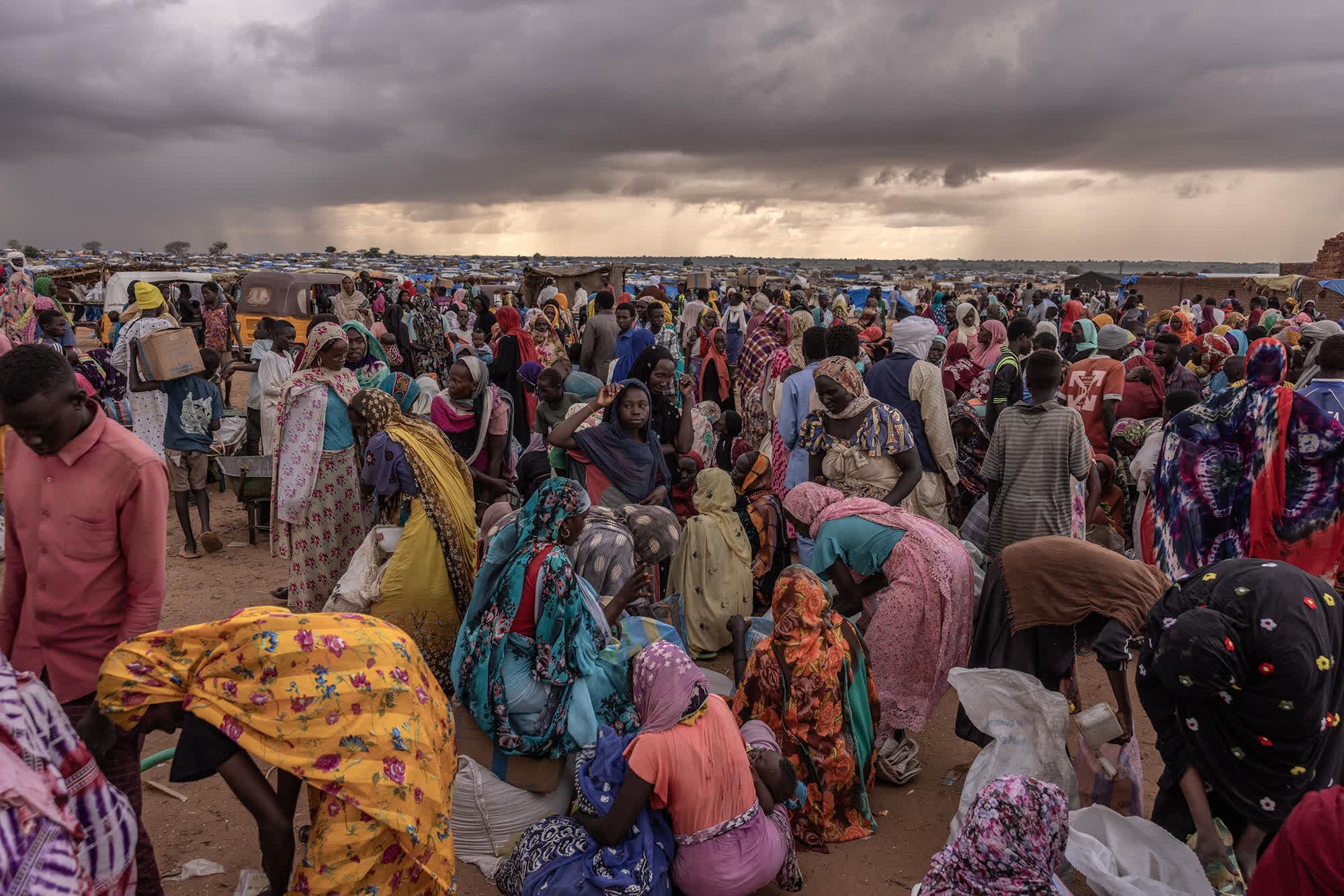
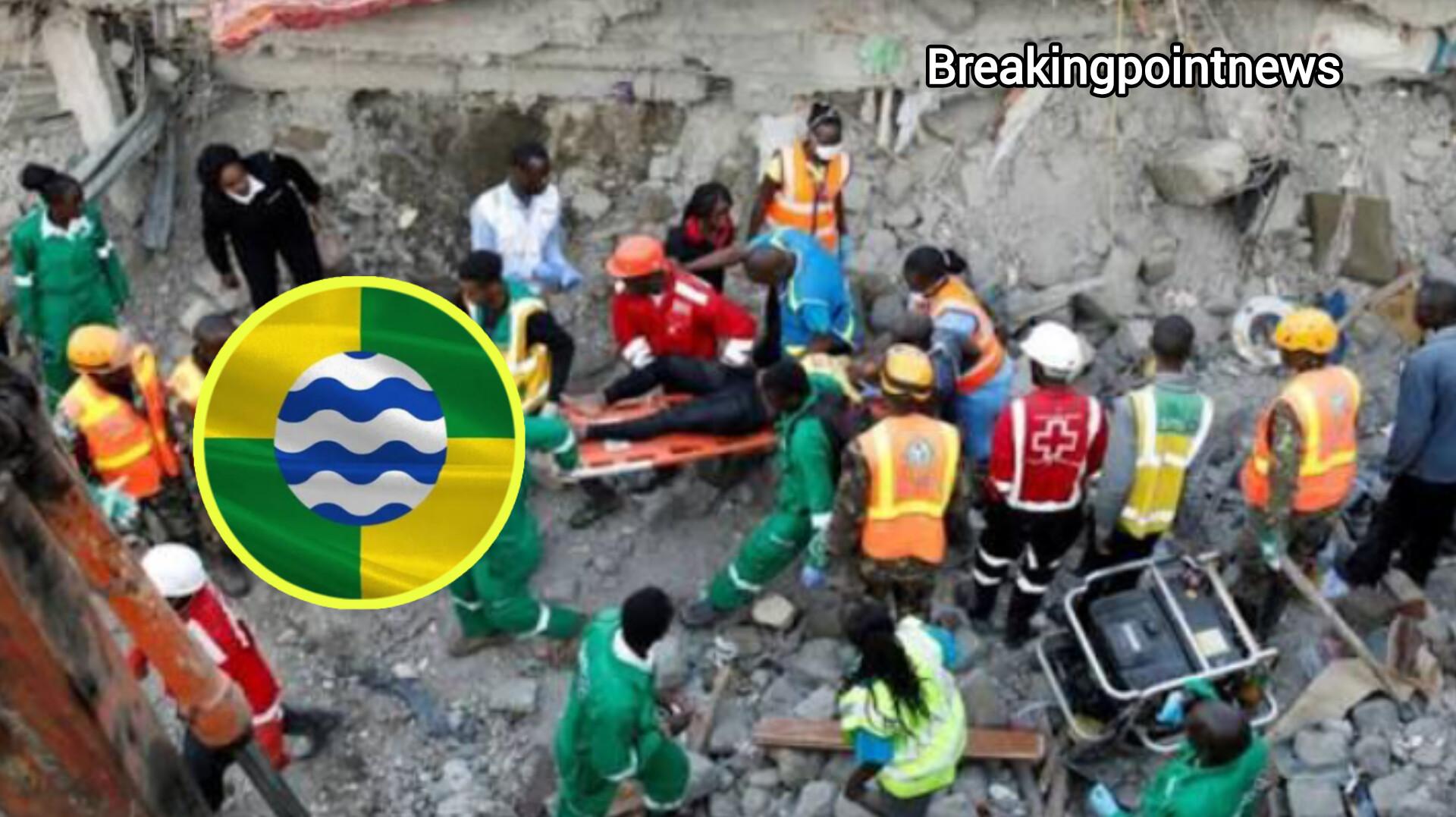
Millions of Sudanese have been displaced, infrastructure has been destroyed, and entire cities have been turned into battlefields. Hospitals, schools, and markets are no longer safe — and even basic services like water and electricity are luxuries in many areas.
Civilians are often trapped between rival militias and state forces, facing not just bullets, but starvation, disease, and economic ruin. Humanitarian access is limited, and aid efforts are overwhelmed.
Weapons Without Borders: How Sudan Stockpiles Fuel New Wars
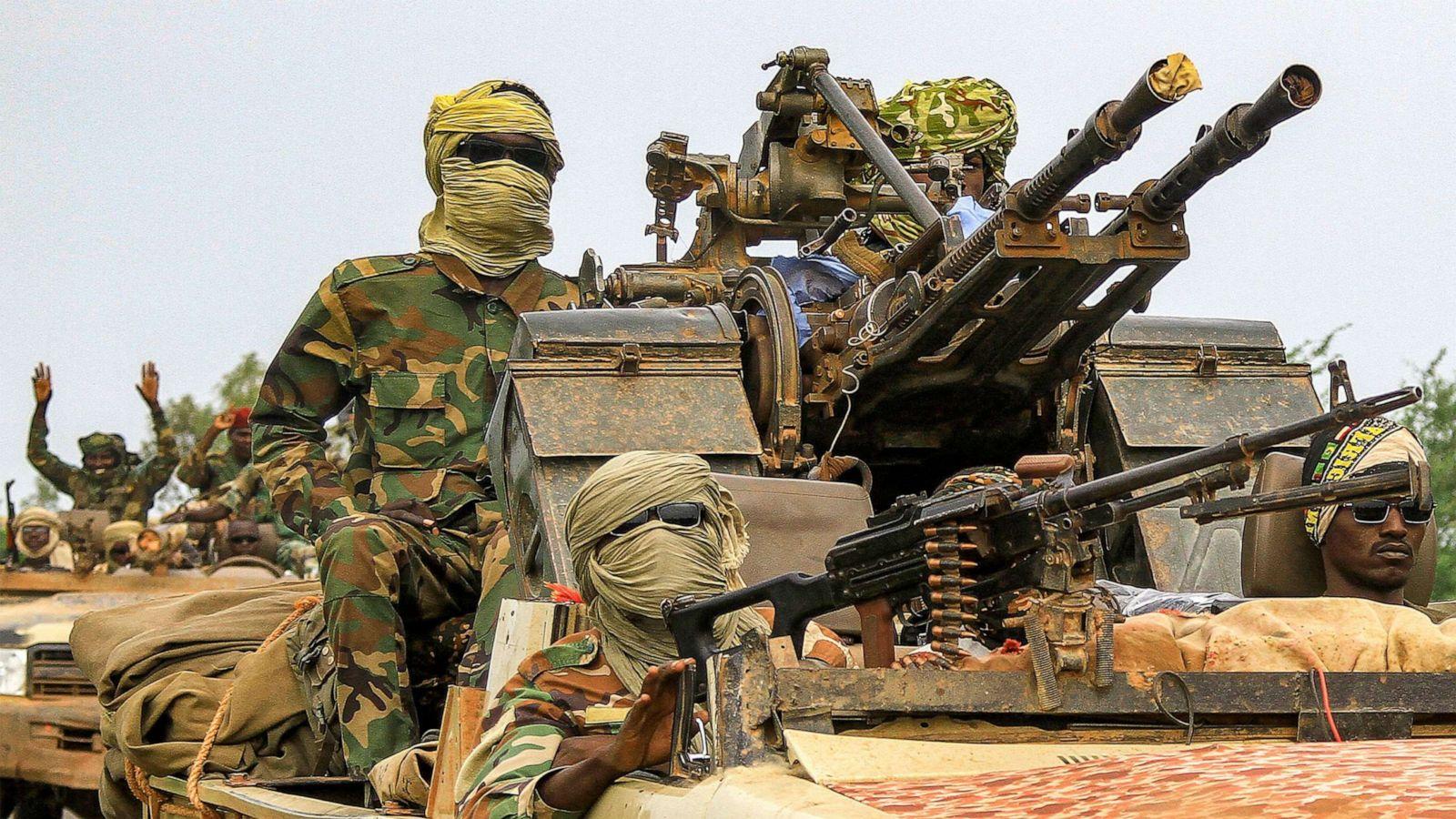
One of the conflict’s most dangerous legacies is the uncontrolled flow of weapons. Once a relatively stable state with large military arsenals, post-collapse Sudan has become a weapons supermarket for armed groups across Africa.
Advanced arms have leaked into:
- Chad
- Central African Republic
- Mali
- Nigeria
- South Sudan
These weapons — looted, smuggled, or sold — have supercharged rebel movements and intensified violence in regions that were already fragile. Analysts warn that this dynamic is a significant reason why conflicts in Africa have become increasingly lethal and more difficult to resolve.
The Gulf’s Shadow: Foreign Powers Fuel the Fire
Sudan’s war is not just Sudanese anymore. Reports from independent investigators and analysts suggest that foreign states are involved indirectly or directly in the conflict:
- Some provide arms and logistics to rival factions
- Others supply intelligence, funding, or diplomatic cover
- Strategic rivalries have turned Sudan into a proxy theater
The UAE, Egypt, Turkey, Russia, and Gulf countries are all accused of varying degrees of involvement — whether through sanctioned channels or clandestine networks.
This has effectively internationalized the war, raising uncomfortable questions about African sovereignty and external influence.
Humanitarian Disaster on a Continental Scale
Sudan’s war has engendered one of Africa’s largest displacement crises:
- Millions internally displaced
- Hundreds of thousands fleeing to neighboring countries
- Refugee camps overwhelmed
- Women and children suffering disproportionate harm
Neighboring states like Ethiopia, Chad, and Egypt are bracing for increased refugee flows, straining social services and heightening political tension.
Instead of conflict containment, the instability is infecting entire regions.
Why This Matters to All of Africa
Sudan is not just a Sudanese problem. Its civil war affects:
- Regional security alliances
- Refugee policies
- Smuggling networks
- Arms proliferation
- Civil war spillovers
- Economic disruption
- Cross-border crime
Formerly stable borders are now porous, and the consequences of Sudan’s collapse are no longer contained.
The Road Ahead: Peace or Perpetual War?
Despite repeated ceasefire deals, fighting continues. Civilians remain trapped, warring factions are entrenched, and regional tensions rise daily.
Unless African leaders, international partners, and civil society can unite around a credible peace initiative—driven by African priorities, not external interests—Sudan’s war will remain a festering wound on the continent.
Bottom Line
Sudan’s civil war is not a remote conflict—it is a continental crisis. The fighting has shattered lives, empowered armed groups across borders, and drawn foreign powers into African affairs.
The question Nigeria and other African states must ask is this: Are leaders addressing the roots of the crisis or simply reacting to its symptoms?
BreakingPoint News — where Africa’s critical conversations begin.

Leave a comment
Your email address will not be published. Required fields are marked *