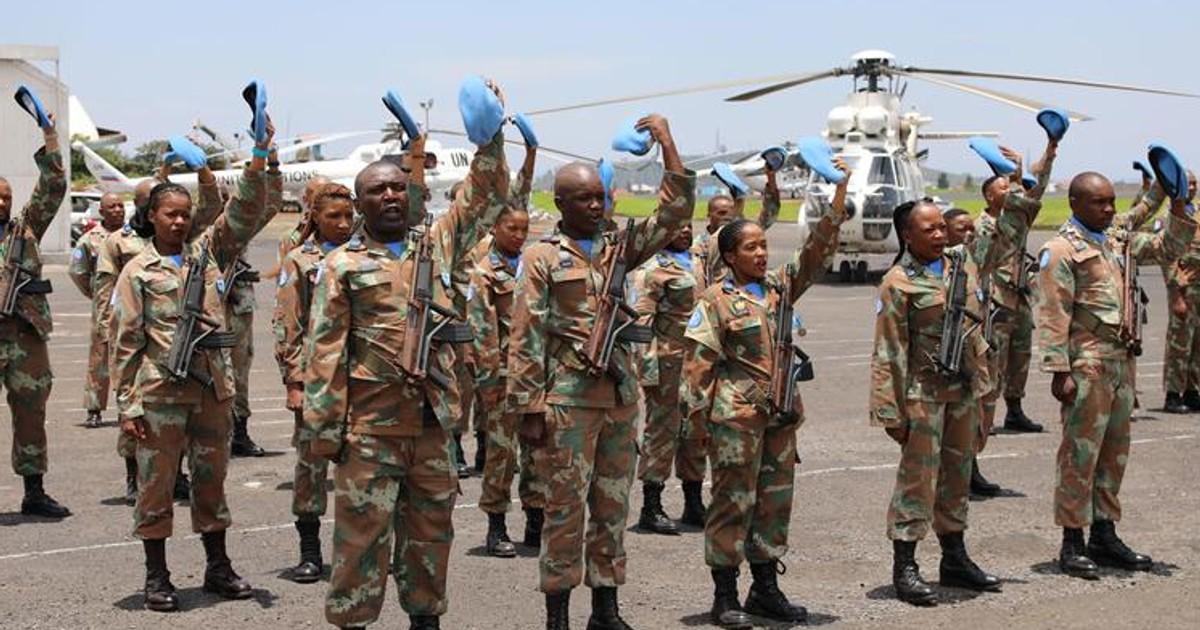
In a major shift in African security dynamics, South Africa has announced that it will withdraw its troops from the United Nations peacekeeping mission in the Democratic Republic of Congo (DRC) — a move that has ignited debate across the continent about Africa’s role in peacekeeping and the future of regional stability.
The decision, confirmed by the South African government, marks a significant departure from Pretoria’s long-standing position as one of the African continent’s most prominent contributors to UN peace operations. South African forces have served in the mission — currently known as MONUSCO — for years, playing key roles in logistical support, civilian protection, and operational leadership.
Why South Africa Is Withdrawing
According to official statements, the pullout is part of a broader strategic realignment of military priorities. South African defense officials say they intend to reallocate military resources for national and regional objectives, particularly as security challenges at home and across southern Africa evolve.
The announcement reflects growing scrutiny about the effectiveness, cost, and political implications of long-term peacekeeping deployments. Pretoria has been under pressure to balance its international commitments with rising local expectations for security, economic stability, and defense readiness.
What This Means for the DRC and the Region
The withdrawal of South African troops from MONUSCO raises several critical questions:
🔸 Peacekeeping capacity gap: South Africa’s forces have been considered among the more capable contributors in terms of equipment, training, and regional knowledge. Their exit could create a gap in operational capacity, especially in areas facing continued insurgent and militia activity.
🔸 Pressure on other African forces: Other troop-contributing countries — including Kenya, Ghana, and Senegal — may face additional pressure to fill roles previously managed by South African contingents.
🔸 Evolving regional security priorities: Some analysts see the move as a sign that African states want more control over African security issues, advocating for solutions that are not solely driven by the UN framework. This shift aligns with broader debates about African autonomy in peace and security matters.
Public and Political Reactions
The announcement has sparked a mixed reaction across the continent:
- Supporters argue that South Africa is right to reassess its commitments and prioritise national defence, especially amid growing domestic security concerns. They say Pretoria should invest in protecting its borders and people first.
- Critics warn that withdrawing from a major peace mission could embolden armed groups in the DRC and weaken collective African efforts to stabilise conflict zones. Some fear the move may signal a broader disengagement from multinational security responsibilities.
A Test for African Security Cooperation
South Africa’s decision comes at a time when Africa’s security landscape is in flux. Conflicts in the Sahel, eastern DRC, and the Horn of Africa continue to cause displacement, loss of life, and regional instability. The topic of African solutions for African problems has gained traction — but practical challenges remain.
Will other countries step in?
Can regional organizations like the African Union and Southern African Development Community (SADC) fill the vacuum?
And what does this mean for the future of UN–African peacekeeping collaboration?
Bottom Line
South Africa’s troop withdrawal from the Congo peacekeeping mission is more than a military decision — it signals a shift in how African nations view their role on the continental stage. Whether this move strengthens regional autonomy or undermines collective security will be debated for years.
BreakingPoint News — tracking the shifting balance of power in Africa.

Leave a comment
Your email address will not be published. Required fields are marked *