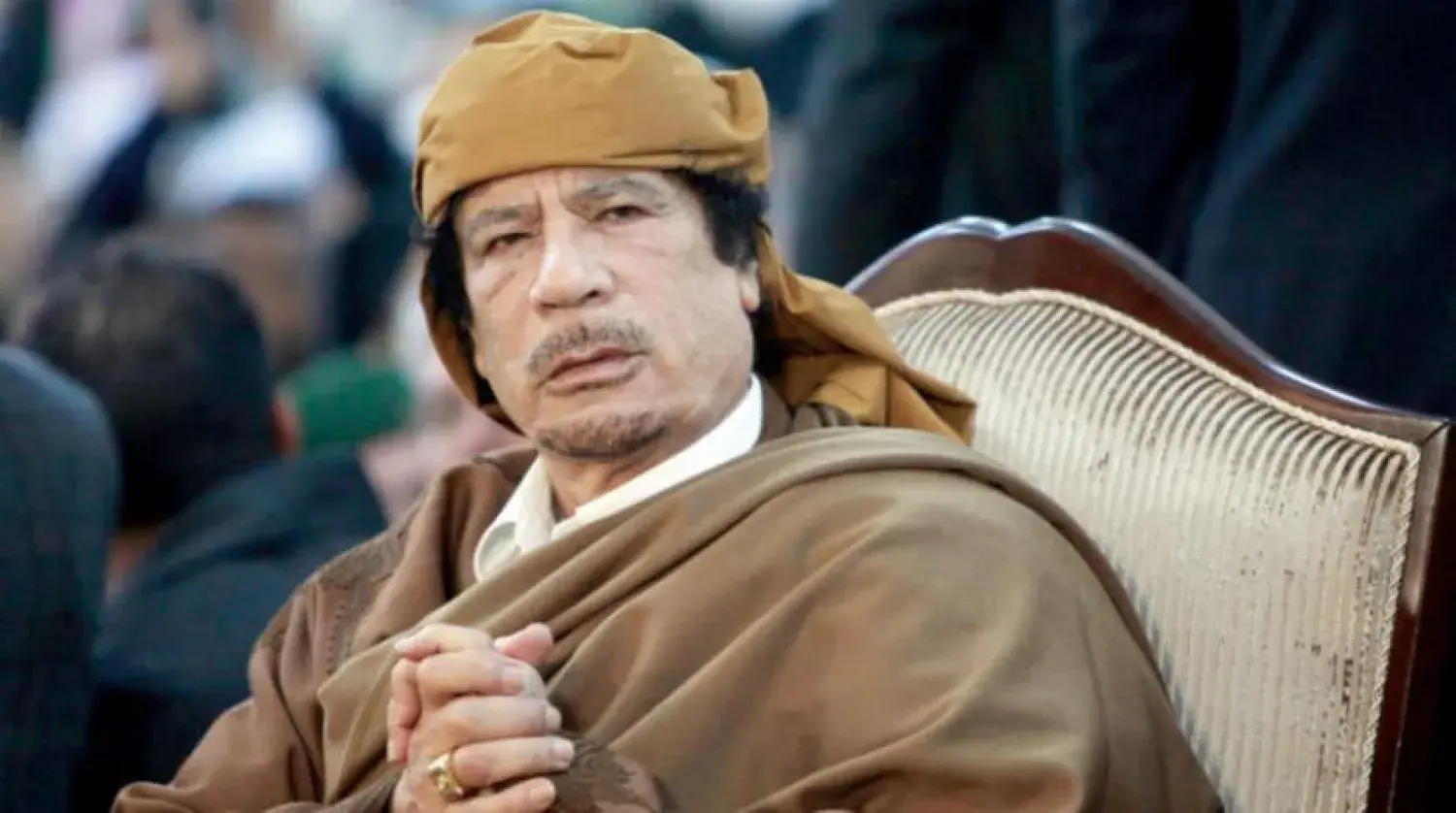
When Muammar Gaddafi was removed from power in 2011, the world was told Libya was being “liberated.” What followed, however, was not stability or democracy—but a chain reaction that continues to destabilise Africa more than a decade later.
Libya did not just fall. A regional security pillar collapsed, and Africa has been paying the price ever since.
From Strong State to Power Vacuum
Before 2011, Libya—despite its authoritarian system—functioned as a tightly controlled state. Borders were secured, weapons stockpiles were monitored, and armed groups were kept in check.
Gaddafi’s sudden removal created a power vacuum. Institutions collapsed. Militias multiplied. Competing governments emerged. Libya became a battleground for rival factions—and a playground for foreign interests.
With no strong central authority, weapons flooded the region.
How Libya Armed the Sahel
One of the most damaging consequences of Libya’s collapse was the uncontrolled spread of arms. Advanced weapons looted from Libyan stockpiles flowed into:
- Mali
- Niger
- Chad
- Burkina Faso
- Nigeria
Armed groups, insurgents, and terrorists suddenly had access to firepower they had never possessed before. Many analysts trace the surge in Sahel terrorism directly to post-Gaddafi Libya.
The instability that followed Mali’s 2012 crisis, for instance, cannot be understood without Libya’s collapse.
Terrorism Finds New Life
Groups linked to extremist ideologies exploited porous borders and weak states. What was once a localized threat became regional insecurity.
From Boko Haram factions to Sahel-based insurgents, Libya’s fall acted as an accelerant—turning fragile states into conflict zones.
Migration Crisis and Human Suffering
Libya also became a key hub in Africa’s migration crisis. With lawlessness reigning, migrants heading to Europe found themselves trapped in:
- Detention camps
- Exploitation networks
- Human trafficking rings
The collapse of governance turned Libya from a transit country into a humanitarian nightmare, affecting migration politics across Africa and Europe.
Foreign Intervention, African Consequences
Perhaps the most controversial lesson is this: Africa bore the consequences of decisions largely made outside the continent.
While NATO countries declared success and moved on, African states were left to manage:
- Weapons proliferation
- Refugee flows
- Terror expansion
- Regional instability
The African Union had warned against regime change without a transition plan. Those warnings were ignored.
A Cautionary Tale for Africa
Libya’s fall raises uncomfortable questions:
- What happens when strong states collapse overnight?
- Who takes responsibility for regional fallout?
- Can foreign intervention ever replace local political solutions?
The answer, so far, has been written in blood, displacement, and insecurity across the Sahel.
Bottom Line
Muammar Gaddafi’s death was not just the end of a ruler—it was the beginning of a continental crisis. Libya’s collapse destabilised entire regions, empowered armed groups, and exposed Africa’s vulnerability to externally driven regime change.
More than a decade later, the lesson is clear: when a state falls without a plan, a continent can suffer.
BreakingPoint News — history that explains today’s chaos.

Leave a comment
Your email address will not be published. Required fields are marked *