Guinea-Bissau — a small West African nation with a long history of political instability — is once again in upheaval following a military coup that interrupted a national election and plunged the country into a deep constitutional crisis. (Anadolu Ajansı)
The Coup That Shocked the Nation
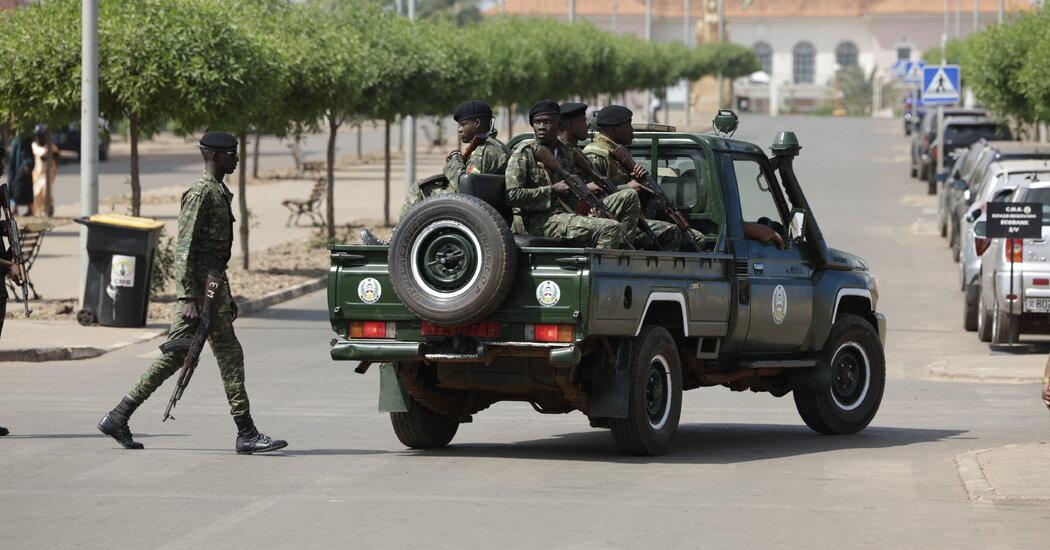
In late November 2025, just hours before presidential and legislative election results were due, army officers announced that they had seized control of the government, claiming they were acting to “restore order” amid political tensions. (Africanews)
The coup, led by the “High Military Command for the Restoration of Order,” saw the military suspend the electoral process, dissolve key institutions, and install General Horta Inta-a as the transitional leader. (Africanews)
A Disputed Election and Deepening Crisis
Prior to the takeover, the election had already been contested:
- The main opposition party, PAIGC, had been barred from participating.
- Both the incumbent president, Umaro Sissoco Embaló, and challenger Fernando Dias claimed victory amid conflicting claims and institutional mistrust. (Wikipedia)
The military takeover effectively halted the electoral process just one day before provisional results were set to be announced, suspending a vote that international observers had described as largely peaceful. (Anadolu Ajansı)
State of Emergency: Media Control and Rights Concerns
In the weeks after the coup, the military also restricted press freedom and information flow, drawing condemnation from media freedom advocates. Reporters Without Borders noted that suspension of media activity during a political crisis violates the right to information and opens the door to rumors and misinformation. (rsf.org)
Regional Diplomacy and Election Timetable
Under pressure from the Economic Community of West African States (ECOWAS) and other regional actors, the junta has now set fresh presidential and legislative elections for December 6, 2026, aiming to return to constitutional governance. (Anadolu Ajansı)
Officials claim conditions are now in place for “free, fair, and transparent” elections—though many remain skeptical given the fragile political environment and past disruptions. (Anadolu Ajansı)
Opposition Leaders Still Under Scrutiny
Even as the junta claims progress, key political figures remain in difficult positions. Domingos Simões Pereira, a major opposition leader, was released from detention but has been summoned to appear before a military court on coup-related allegations. (Africanews)
These kinds of legal actions, tied to political turmoil, risk further alienating opposition voices and deepening mistrust among the population.
A Pattern of Instability
Guinea-Bissau is no stranger to upheaval. Since independence from Portugal in 1974, the country has experienced multiple coups and attempted takeovers—a sign of enduring institutional fragility. (Foreign Policy)
Analysts also point to drug trafficking and corruption as factors fueling instability, with the country long serving as a hub for cocaine shipment routes between Latin America and Europe—dynamics that deepen political tensions and weaken governance. (enca.com)
Why This Matters Across West Africa
The turmoil in Guinea-Bissau is more than a local crisis. It underscores broader concerns:
- Democratic backsliding in the region
- Military influence in politics
- ECOWAS’s ability to enforce constitutional order
- The interplay between corruption and governance
Other West African countries watching closely include Senegal, Guinea, Mali, and Burkina Faso—nations where political transitions and security challenges are already testy.
The Bottom Line
Guinea-Bissau’s political instability highlights a stark reality: democracy remains fragile when institutions cannot withstand disputes and power struggles. While scheduled elections offer a path forward, true stability will depend not just on ballots — but on trust, transparency, and inclusive politics.
BreakingPoint News — tracking Africa’s shifting political landscape.

Leave a comment
Your email address will not be published. Required fields are marked *