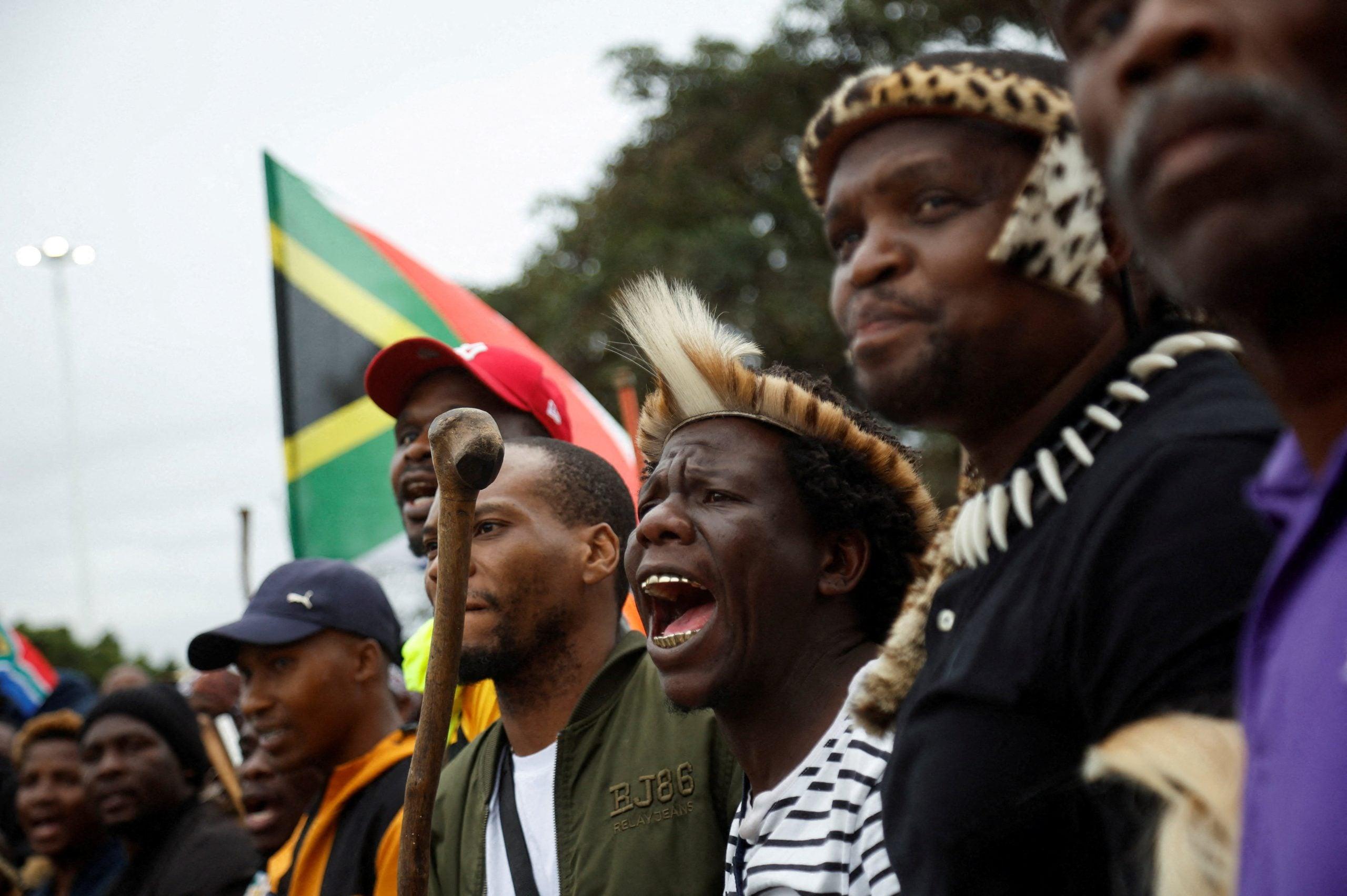
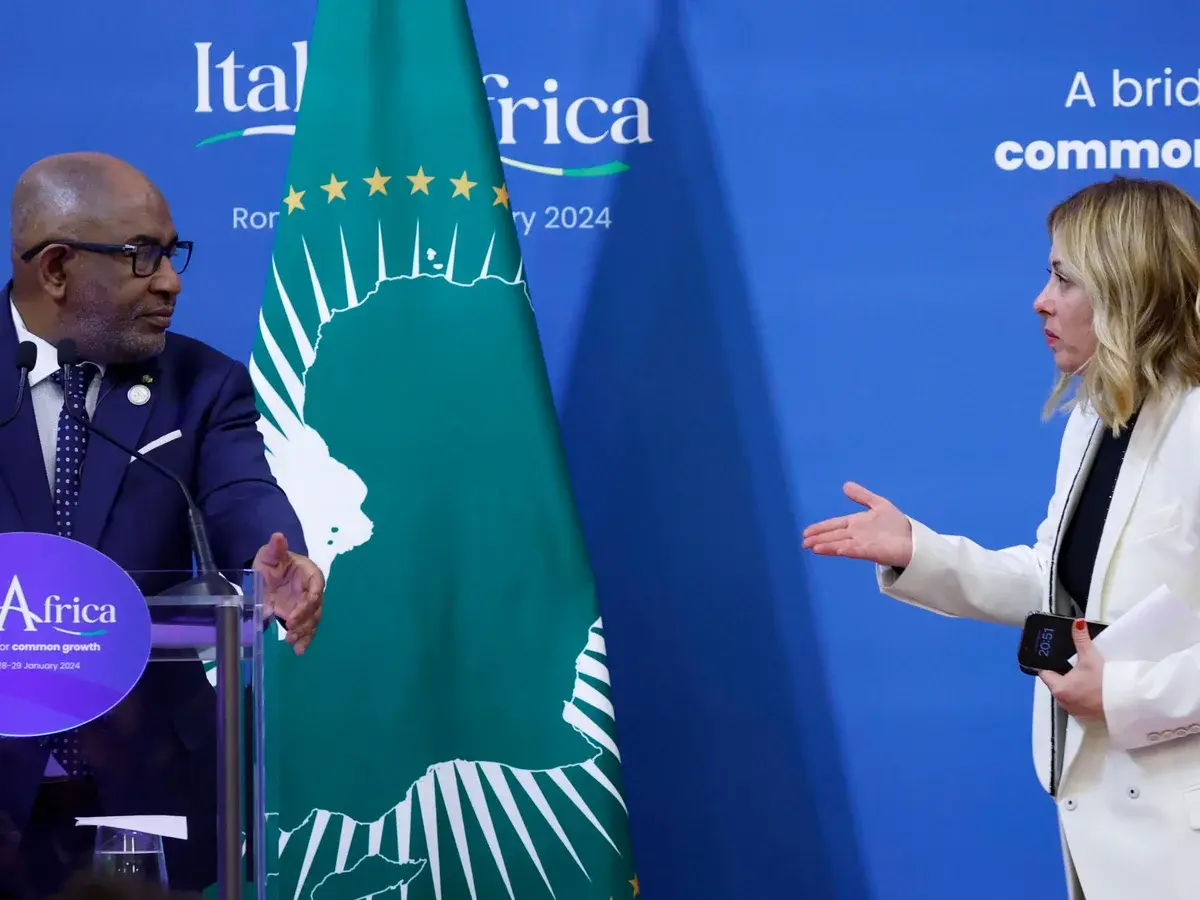
At a recent Italy-Africa Summit held on the sidelines of the 39th African Union (AU) Summit in Addis Ababa, Italian leaders announced a series of cooperation initiatives and partnerships with African nations—covering debt relief, climate resilience, infrastructure investment, and more. While the pledges have been welcomed by diplomats, many critics question whether these promises will deliver real, measurable benefits to everyday Africans.
What Italy Promised
Italian Prime Minister Giorgia Meloni and visiting officials reaffirmed commitments to deepen relations with African countries, focusing on:
- Debt relief and restructuring for nations hit hard by economic shocks
- Energy partnerships,, including renewable investment
- Support for education, health, and small businesses
- Infrastructure financing and technology exchange
These pledges were framed as part of long-term cooperation aimed at supporting sustainable development.
Skepticism From African Analysts
Despite the diplomatic fanfare, many African experts and commentators have raised concerns:
1. Conditionality and Control
Critics argue that financial support often comes with strings attached, including policy conditions, hiring of foreign contractors, or structured debt-servicing rules that ultimately favour the lender. They warn that Africa may be trading short-term relief for long-term obligations.
2. Repeat Patterns of Foreign Aid
Historically, many cooperation agreements with Western states have resulted in modest outcomes on the ground, especially in sectors like agriculture and local enterprise development. Some analysts see the latest pledges as more of the same rhetoric rather than a transformative agenda.
3. Impact vs Expectations
Local business owners and civil society organizations point out that what matters most are actual jobs, improved infrastructure, and increased resilience—not just signing statements in summit halls. They want clear timelines, accountability, and measurable results.
What Africa Needs—Not Just What It Was Offered
Many Africans believe that effective cooperation should prioritise:
✅ Technical training and technology transfer—so local engineers, doctors, teachers, and tech professionals gain skills rather than simply receiving equipment.
✅ Infrastructure that reduces costs and expands access—roads, power grids, and communication networks that sustainably link markets and communities.
✅ Support for local businesses and agriculture — empowering small entrepreneurs rather than large foreign firms.
✅ Climate adaptation funding that does not condemn countries to new debt.
Without these, pledges risk becoming nice speeches rather than tangible progress.
Is Africa Being Taken Seriously?
At the summit, several African leaders stressed the importance of equal partnerships, not charity. They say Africa wants collaboration that recognizes the following:
- Africa’s role as a market and partner, not just a recipient
- African solutions to African problems
- Mutual respect and sovereignty in decision-making
The debate has also reached popular discourse online, with citizens questioning whether the partnership will really improve schools, power supply, healthcare, and daily lives, or whether it will primarily benefit foreign investors and contractors.
The Bigger Picture
Italy’s pledges, if fully implemented with genuine cooperation and accountability, could contribute positively to development goals. Yet the test will be implementation—not slogans.
Africa has been promised support many times before. What its people are waiting for is results, equity, and real empowerment.
Key Questions Moving Forward
🤔 Will Italian commitments lead to meaningful investment in local economies?
🤔 Can cooperation be structured to benefit ordinary citizens rather than elites?
🤔 Will African nations maintain control over their policies and resources?
Until these questions are answered with clarity and outcomes, many Africans will remain skeptical—and the headline “Italy pledges support” may matter less than the reality on the ground.
BreakingPoint News—examining what pledges mean for the people.

Leave a comment
Your email address will not be published. Required fields are marked *