The Republic of the Congo is entering a crucial election period as it prepares for the presidential election scheduled for March 15, 2026, marking another chapter in the long political career of its current leader.
The election officially launched with campaign activities starting in late February, as political rallies and party events spread across the country, including in the key port city of Pointe-Noire.
Incumbent President Seeks Another Term
At the center of this year’s race is President Denis Sassou Nguesso, an enduring figure in Congolese politics. The 82-year-old leader has now governed the country for decades, first from 1979 to 1992 and then again since 1997. He declared his intention to run again early in February, and his party, the Congolese Party of Labour (PCT), has backed him as its candidate.
Sassou Nguesso’s hold on power has been strengthened by a constitutional change in 2015 that removed age limits and allowed him to compete beyond what had been a legal term cap.
Opposition and Electoral Landscape
A fragmented opposition has put forward a slate of challengers, including Destin Gavin, a 34-year-old newcomer representing the Republican Movement, among others confirmed in the race.
Despite the presence of these candidates, many observers and political activists view the opposition as weakened and facing significant obstacles, including uneven campaigning conditions and limited media space. Local civil society groups and critics have raised concerns about transparency and fairness in the run-up to the vote.
Campaign Dynamics and Public Response
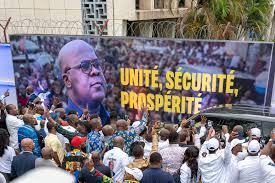
Campaign events have drawn large crowds, especially for rallies organized by the ruling party. President Sassou Nguesso and his supporters have promised continuity and stability, portraying his leadership as a source of unity and economic progress. Posters and campaign messaging emphasize a “wave” of support for the longtime leader.
Meanwhile, some opposition figures argue that political liberties are constrained and that the political environment disproportionately favors the incumbent, a frequent criticism in past elections.
Looking Ahead to the Vote
With campaigning set to wrap up just days before election day, all eyes are now on March 15 to see whether the political landscape will shift or if the current leadership will maintain its grip on power. A peaceful, credible election could help strengthen democratic credibility in the country; however, persistent doubts about transparency and fairness continue to shadow the process.

Leave a comment
Your email address will not be published. Required fields are marked *