
After 12 years of operating in Nigeria, Uber has officially ended its ride-hailing services in the country, closing a major chapter in Nigeria’s fast-growing digital transportation industry.
Uber announced that it would discontinue operations in Nigeria and Uganda from September 2, 2026, following what it described as a review of its evolving business priorities and investment focus across Africa. The company stressed that the decision is limited to the two countries and does not mean it is leaving Africa.
Why Did Uber Leave Nigeria?

Uber has not given a detailed country-by-country explanation for its decision.
Instead, the company said it reviewed its business priorities and investment focus across Africa before deciding to wind down operations in Nigeria and Uganda.
That leaves several broader market factors worth examining.
Nigeria's ride-hailing industry has become increasingly competitive, with platforms such as Bolt and inDrive competing for riders and drivers. At the same time, fuel costs, inflation, vehicle maintenance expenses and currency volatility have increased pressure across the transportation sector.
However, it is important not to present these factors as Uber's officially stated reasons. Uber itself has not said that any one of them caused its Nigerian exit.
Uber Started a New Era of Transportation in Nigeria
Uber entered Nigeria in 2014, launching first in Lagos.
Its arrival helped popularise app-based transportation, allowing passengers to request rides through smartphones, see driver information and use digital payment and tracking features.
Over the following years, ride-hailing became an important part of urban transportation in Nigeria, particularly in Lagos and other major cities.
But Uber was no longer operating in an uncontested market.
Competitors developed different approaches to attract Nigerian drivers and passengers. For example, inDrive became known for allowing passengers and drivers to negotiate fares, while other platforms competed through pricing, driver commissions and local market strategies.
The Economics of Ride-Hailing Became More Difficult
Running a ride-hailing platform in Nigeria is connected to the wider economics of transportation.
Drivers have to deal with fuel, maintenance, insurance and vehicle financing costs. Passengers, meanwhile, remain sensitive to higher fares.
This creates a difficult balance.
If fares rise too much, passengers may look for cheaper alternatives. If fares remain low while operating costs increase, drivers can face pressure on their earnings.
Nigeria's inflation and currency volatility have added another layer of complexity to that equation.
What About the Airport Dispute?
Uber's exit came shortly after controversy surrounding e-hailing operations at Nigerian airports.
In July 2026, the Federal Airports Authority of Nigeria directed airport managers to stop Uber and Bolt from conducting commercial operations at FAAN-managed airports while licensing arrangements were being finalised.
The timing led to speculation that the airport dispute contributed to Uber's departure.
Uber, however, said its decision to leave Nigeria was not related to the FAAN directive. FAAN officials have also rejected the suggestion that its airport policies pushed Uber out of Nigeria.
That distinction matters because there is currently no official evidence establishing the airport dispute as the reason Uber left.
Uber Is Also Restructuring Globally
The Nigeria exit happened at the same time Uber announced a major global restructuring.
The company said it would reduce its workforce by approximately 10%, or about 3,300 employees, as it reorganises its operations. Reuters reported that Uber is also facing changing competitive pressures in autonomous transportation and is planning major investment in autonomous-vehicle technology.
This provides additional context for the Nigerian decision, although Uber has not explicitly said that its global restructuring caused the Nigeria exit.
What Happens to Nigerian Uber Drivers and Riders?

The shutdown means riders in Nigeria can no longer request trips through the Uber platform.
Drivers who previously received trip requests through Uber also lost access to those ride requests following the September 2 shutdown.
Uber said it would support drivers, riders and local employees during the transition. Its customer support channels were also kept available for a limited period to address outstanding issues.
What Does Uber's Exit Mean for Nigeria's Ride-Hailing Industry?
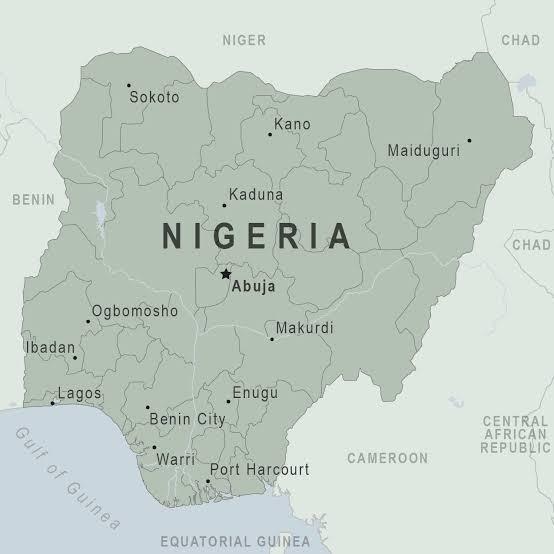
Uber's departure changes the competitive landscape, but it does not mean ride-hailing is disappearing from Nigeria.
Other platforms remain active, including Bolt and inDrive, while Nigerian and regional companies continue trying to capture parts of the market.
The bigger question is whether the industry can find a sustainable balance between affordable fares for passengers and viable earnings for drivers.
For international companies, Nigeria's huge population and urban transportation needs create significant opportunities. But the market also comes with high operating costs, regulatory complexity, currency fluctuations and intense local competition.
Uber's exit therefore raises a broader question for international businesses: how do you build a sustainable technology business in a large but economically challenging market?
The Bigger African Picture
Uber's departure from Nigeria and Uganda does not represent a complete withdrawal from Africa.
The company continues to operate in other African markets, including Egypt, Ghana, Kenya and South Africa.
For Nigeria, however, the end of Uber's 12-year run marks a significant moment for the country's technology and transportation sectors.
The company helped introduce millions of Nigerians to app-based ride-hailing. Now, its departure leaves competitors with more room to compete while raising questions about the long-term economics of digital transportation in Africa's largest consumer market.
Uber may have left Nigeria, but the ride-hailing battle is far from over.

Leave a comment
Your email address will not be published. Required fields are marked *